Americans planning a Turkey trip often hear "Ramadan" and picture a country that shuts down. It doesn't. Turkey is a secular republic with a majority-Muslim population, and for a visitor the practical changes during the fasting month are smaller than expected, uneven across the country, and almost entirely a matter of custom rather than law.
Here is what actually changes, where it changes most, and what nobody is going to require of you.
When it falls, and why the answer keeps moving
The next Ramadan runs 8 February to 8 March 2027.
If you look that up again in a few years the answer will have moved, because Ramadan falls roughly 10 to 11 days earlier each Gregorian year, since the Islamic lunar calendar is about eleven days shorter than the solar one. It isn't anchored to a season the way Easter or Thanksgiving are — it travels backwards through the whole year over roughly three decades, so it has been a summer month within living memory and will be again.
Dates stay provisional until close to the time. The Turkish religious authority, Diyanet, publishes the calendar in advance, but the start is confirmed against the lunar month, so a date printed a year ahead can shift by a day.
What stays exactly the same
Nearly everything a visitor came for. Museums, mosques and archaeological sites keep their ordinary schedules. Domestic transport runs normally. Hotels operate as usual. Shops are open. Nothing about the fasting month closes the country down, and Ramadan is not a public holiday — the holiday is the Bayram that follows it.
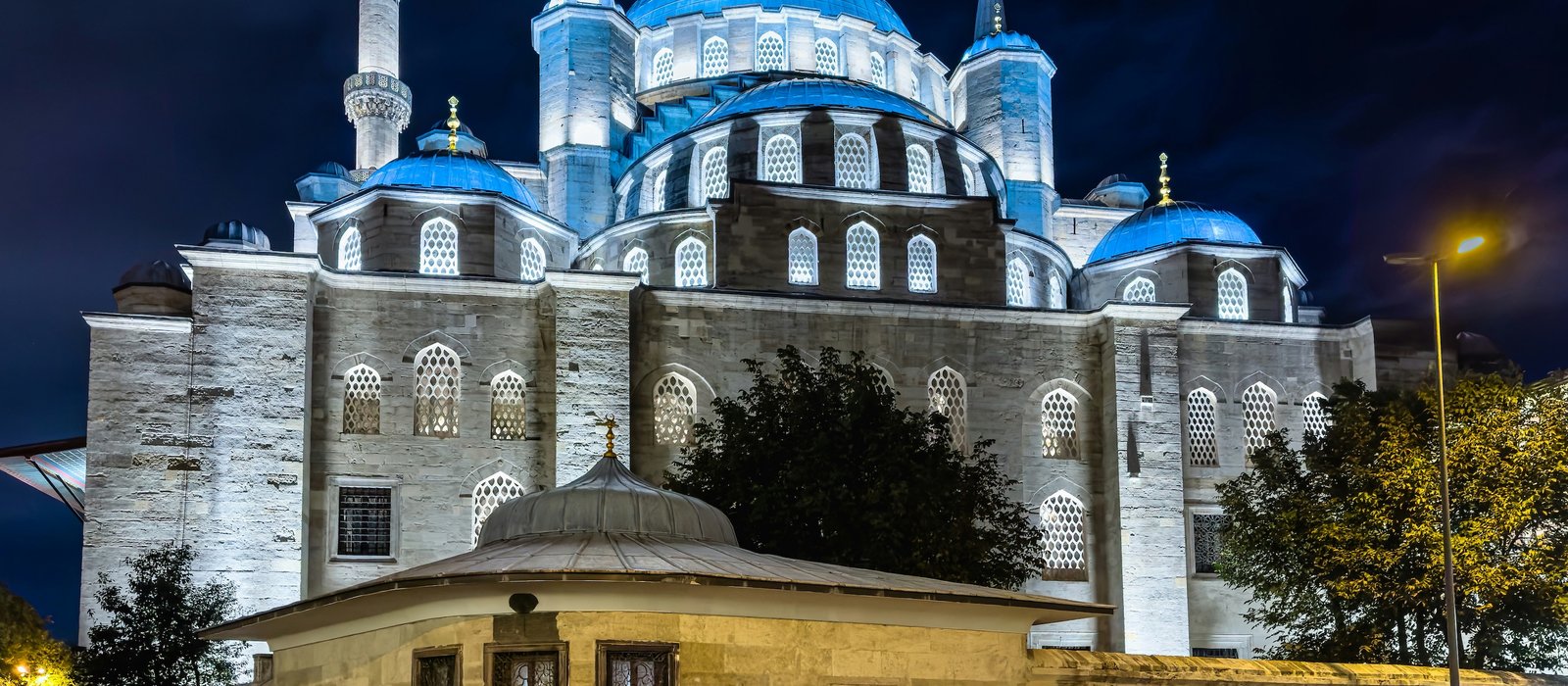
Mosques are, if anything, more welcoming to visitors during the month, outside prayer times as always.
What changes, and by how much
Daytime dining
Observed practice is that some restaurants and cafés reduce or suspend daytime service during Ramadan, particularly away from tourist areas; in the major cities and coastal resorts many stay open through the day, and in smaller inland towns daytime options can be genuinely limited.
This is discretionary rather than regulated — each business decides. In Sultanahmet, Beyoğlu, Kaş or Bodrum you will not notice much. In a small central-Anatolian town at 2pm you might.
Alcohol
There is no national rule suspending alcohol service during Ramadan; some venues choose to stop serving for the month and others continue, particularly in tourist areas, and the decision sits with the establishment. A bar that served you in January will usually serve you in Ramadan; a neighbourhood restaurant in a conservative district might not.
Working hours
Public-sector hours are sometimes shortened during Ramadan, though not uniformly, and private businesses adjust informally if at all. For a traveler this mostly shows up as slightly earlier closing at offices and banks, not at anything you're likely to need.
The geography of it
The single most useful thing to understand is that "Turkey during Ramadan" isn't one experience. Istanbul's tourist districts, the Aegean and Mediterranean resort towns, and Cappadocia's cave-hotel belt run close to normal. Residential Istanbul neighbourhoods, the central Anatolian towns and the southeast observe the month much more visibly — more closed daytime kitchens, more evening intensity, fuller mosques.
Two travelers on the same dates can come home with completely different accounts, and both are accurate.
What's expected of you
Non-Muslim visitors are generally expected to avoid eating, drinking and smoking conspicuously in public during daylight, an expectation that is stronger in conservative neighbourhoods and smaller towns and weaker in tourist areas; it is not legally enforced but it is noticed and appreciated.
"Conspicuously" is the operative word. Drinking water on a hot afternoon is not an offence and nobody will confront you. Eating a sandwich on a bench outside a mosque in a religious district reads differently from eating one at a café table in Karaköy. Turkish people are, in general, entirely relaxed about visitors not fasting.
The part travelers don't expect to enjoy
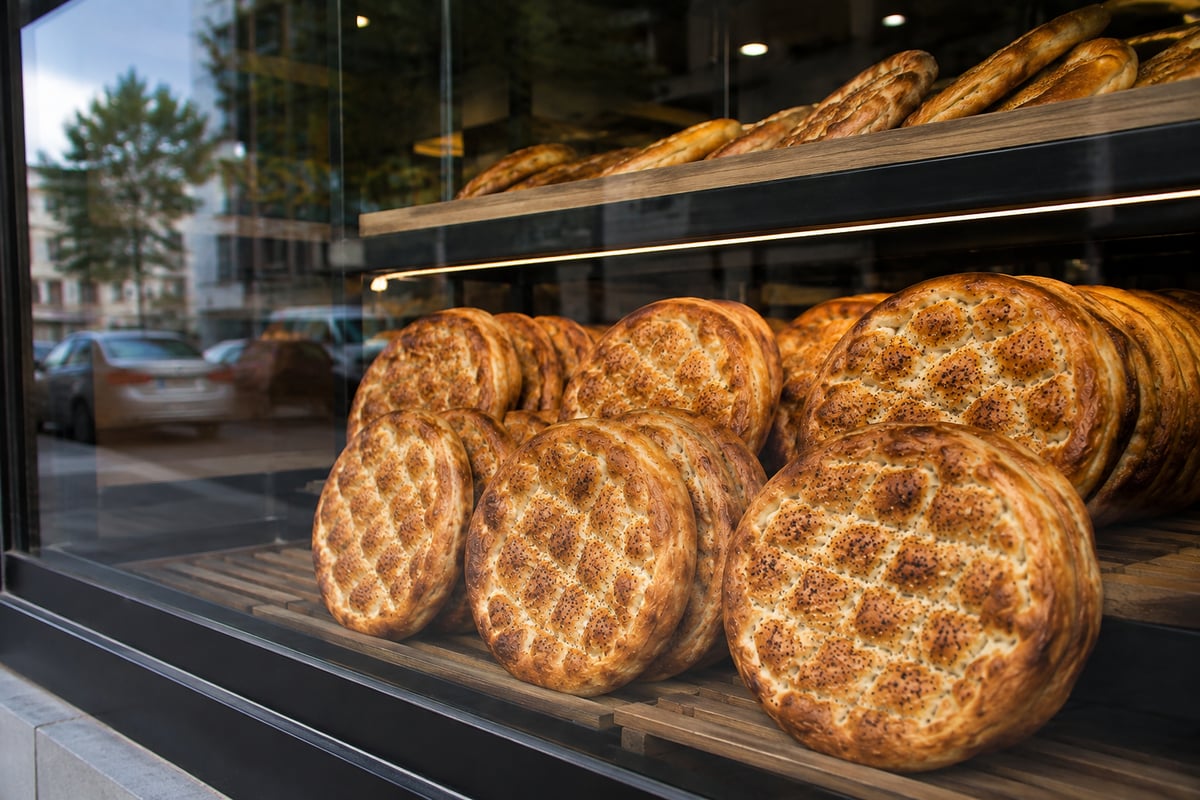
Evenings during Ramadan are the best-tempered time of year in a Turkish city. The streets fill at sunset, restaurants that were quiet at noon are full and loud, and there is food you can't get in any other month. That side of it is covered in iftar and Ramadan dining in Turkey.
Ramadan itself is a month; the holiday that follows it is a different proposition entirely, and it is the one that moves the country. Both are covered in the guide to the two Bayram holidays.
How the religious calendar interacts with the seasons everyone is told to travel in is one of those things the individual guides answer separately. Turkey, Worked Out puts the calendar and the seasons on the same page.
FAQ
Do things close during Ramadan in Turkey?
Very little. Museums, sites, transport and hotels run normally — Ramadan is not a public holiday. Some restaurants reduce daytime service, mostly away from tourist areas, and that is the main visible change.
When is Ramadan in Turkey?
The next one runs 8 February to 8 March 2027, and it moves about 10 to 11 days earlier each Gregorian year. Dates stay provisional until confirmed against the lunar month.
Can I drink alcohol during Ramadan?
There's no national rule suspending service; some venues stop for the month, others don't, and it's the establishment's decision — so it varies by place rather than by date.
Do I have to fast or hide eating?
No. The expectation is to avoid eating, drinking and smoking conspicuously in public during daylight, more strongly in conservative areas, and it isn't legally enforced. Discretion rather than abstinence.
Is it a bad time to visit Turkey?
It's a different time to visit. Daytime runs close to normal in tourist areas and evenings are livelier than any other month; inland and in residential districts the month is much more visible. What that's worth depends on where you're going and what you want from the trip.
Keep planning
Not sure how it all fits together?
Pick your trip length and we'll point you to the right day-by-day itinerary.