The month most travelers assume is the worst time to eat in Turkey produces the best evenings of the Turkish year. For thirty days the country runs on a different clock, and if you happen to be there, the food side of it is worth understanding rather than avoiding.
Here is how Turkish restaurants, bakeries and hotels actually run during Ramadan, and what appears on tables that isn't there any other month.
The clock everything runs on
Iftar begins at the local Maghrib prayer time — sunset — published daily by Diyanet for each location, and the time advances by a few minutes each day as the month progresses.
Two things follow that matter practically. Iftar is a moment, not a service window: a restaurant serving iftar starts at the minute, not "around seven". And because it tracks sunset, it differs across the country on the same evening — Istanbul and the far east of Turkey break fast noticeably apart.
The published local timetable is called an imsakiye, and it lists both ends of the day: imsak before dawn, iftar at sunset.
Eating out at iftar
Restaurants offering iftar typically serve a set menu — often a fixed multi-course or buffet — timed to the call to prayer, and many take advance bookings, particularly in larger cities.
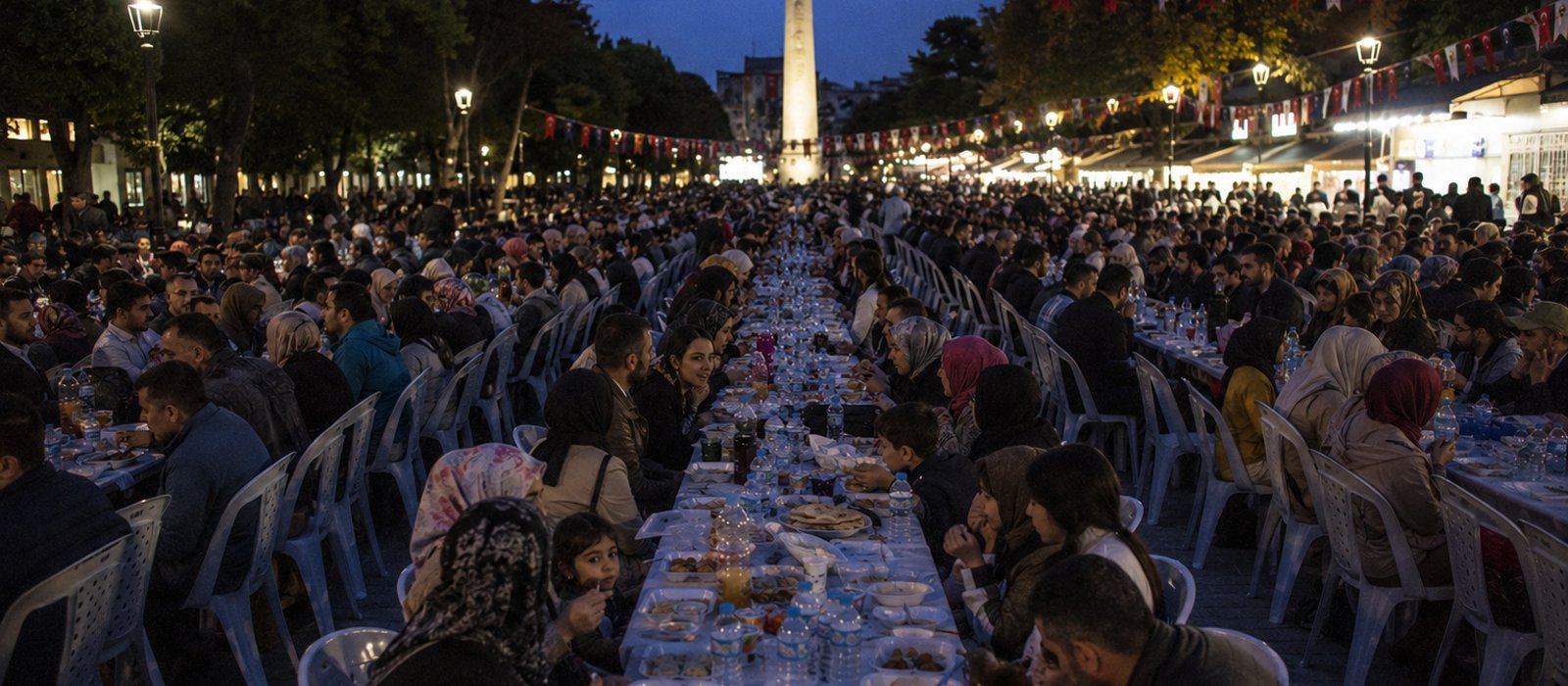
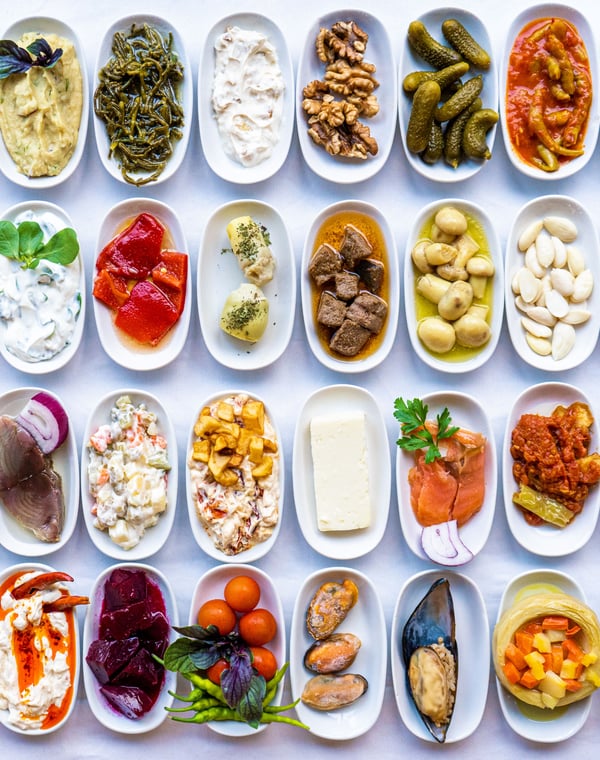
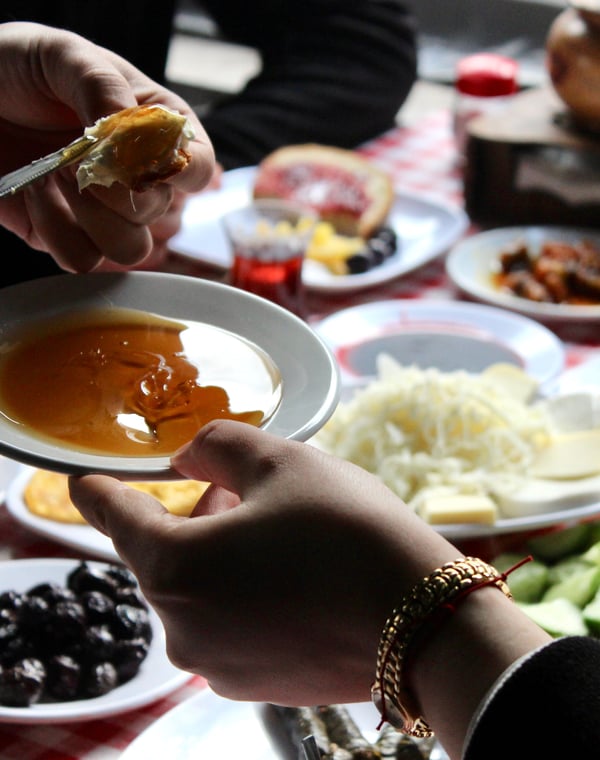
The atmosphere is the point. Tables are laid before sunset with the traditional openers already out — dates, olives, soup, pide — and nobody touches anything until the call. Then the room starts at once. It is the single most convivial hour in a Turkish city, and non-fasting visitors are entirely welcome at it.
The practical corollary is that the hour before sunset is the quietest a restaurant will ever be, and the hour after is the busiest.
The bread, and the queue
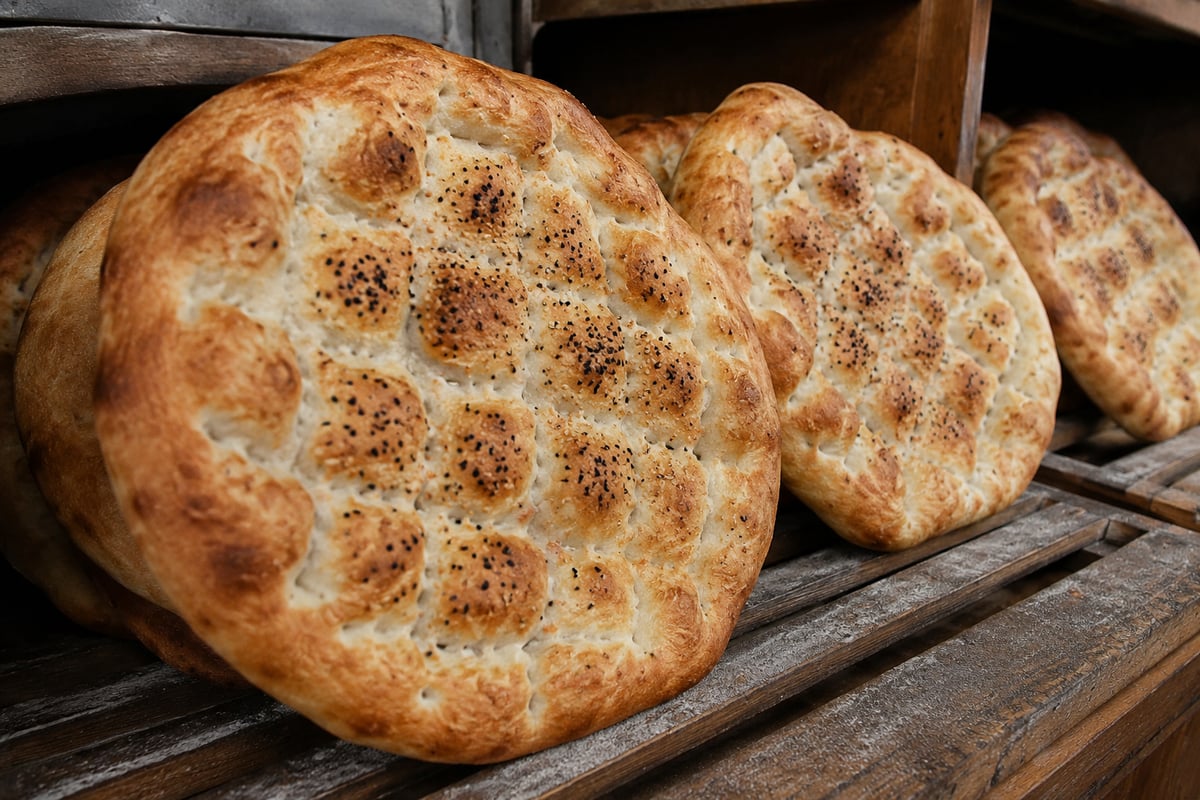
Ramazan pidesi — a round, sesame-topped flatbread — and güllaç appear seasonally during the month and are sold by bakeries and pastry shops.
Ramazan pidesi exists only in Ramadan and is baked in batches timed to come out shortly before sunset, which produces the most recognisable street scene of the month: a line outside a bakery in the late afternoon, lengthening as the hour approaches. The bread is sold warm and is gone quickly. You don't need to be fasting to join the queue, and it is one of the easier ways to feel like you're in the country rather than beside it.
Güllaç is the month's dessert — thin sheets of starch pastry soaked in rosewater milk, layered with walnuts, and lighter than almost anything else in the Turkish sweet repertoire. It appears in patisseries for the month and disappears afterwards.
Sahur, the other meal
Sahur, the pre-dawn meal, is usually eaten at home, though some hotels and 24-hour restaurants offer sahur menus, with availability highest in the major cities and tourist hotels and more limited in smaller towns.
In some neighbourhoods you'll also hear the Ramadan drummer walking the streets before dawn to wake households for it — a tradition that survives in residential districts and has largely gone from tourist ones. Whether you experience it depends entirely on where you're sleeping.
Daytime, and where you are
Observed practice is that some restaurants and cafés reduce or suspend daytime service during Ramadan, particularly away from tourist areas; in the major cities and coastal resorts many stay open through the day, and in smaller inland towns daytime options can be genuinely limited.
Nothing about this is regulated — each business decides. Lunch in Beyoğlu or Kaleiçi during Ramadan is unremarkable. Lunch in a small central-Anatolian town can mean a bakery and a shop rather than a restaurant. Hotel breakfast is unaffected everywhere.
When Ramadan falls, and how its dates sit against the months a trip is usually planned for, connects to the seasonal picture rather than the food one. Turkey, Worked Out puts those together.
FAQ
What time is iftar?
At the local Maghrib (sunset) prayer time, published daily by Diyanet for each location, moving by a few minutes each day. It differs across the country on the same evening, so use the local timetable.
Can non-Muslims eat iftar at a restaurant?
Yes, and it's one of the better meals of the Turkish year. Set menus timed to the call to prayer are common, and larger cities often take advance bookings.
Can I get lunch during Ramadan?
In tourist areas and big cities, generally yes. Some places reduce or suspend daytime service, mostly away from tourist areas, and inland towns can be genuinely limited. It varies by business, not by rule.
What is Ramazan pidesi?
A round sesame-topped flatbread baked only during Ramadan, timed to come out shortly before sunset — hence the late-afternoon bakery queues. It and güllaç appear seasonally and are sold by bakeries and pastry shops.
Is breakfast still served at hotels?
Yes. Hotel breakfast runs normally throughout the month everywhere, including in areas where daytime restaurant service thins out.
Keep planning
Not sure how it all fits together?
Pick your trip length and we'll point you to the right day-by-day itinerary.