Turkey's two biggest holidays are not on the Gregorian calendar, don't fall on the same dates twice, and between them account for the only weeks of the year when the whole country is trying to travel at once. Americans planning around Turkish dates routinely find the national holidays and miss these two entirely.
Here is what each one is, how long it officially lasts, and where it lands next.
The two Bayrams
Ramazan Bayramı
The three-day festival that ends the fasting month — Eid al-Fitr elsewhere, and colloquially Şeker Bayramı, the "sugar holiday", for the sweets given to visiting children. It falls immediately after Ramadan, so it inherits Ramadan's movement through the calendar.
The next one runs 9-11 March 2027, preceded by a half-day from 13:00 on 8 March.
Kurban Bayramı
The Feast of Sacrifice — Eid al-Adha — and the larger of the two, both in length and in how much the country moves. The next one runs 16-19 May 2027, preceded by a half-day from 13:00 on 15 May.
How long they officially last
This is set in law rather than by custom, and the structure is the same for both: a half-day first, then the full days.
The arife — the eve — of each religious Bayram is a half-day public holiday beginning at 13:00, when official institutions and many workplaces close. Ramazan Bayramı then runs three full days; Kurban Bayramı runs four.
So the official block is three and a half days for the first and four and a half for the second, and the half-day is the part visitors miss. A bank open at 11am on the eve is closed at 2pm.
The gap between them
About two lunar months separate the two Bayrams; in 2026 and 2027 the interval works out around 66 to 70 days. Because both are pinned to the lunar calendar, the gap is roughly fixed while the pair as a whole drifts earlier each year.
The drift, and what it collides with
Both Bayrams move backwards through the Gregorian year at the same rate as Ramadan — roughly 10 to 11 days earlier each year.
That matters more than it first sounds, because it means the seasons each Bayram lands in change. Kurban Bayramı currently falls in the second half of May, drifting into early May, then late April, over the next few years. Ramazan Bayramı is currently in March, drifting into February.
Anyone who checked Turkish holiday dates on a previous trip and assumed they'd repeat is working from a calendar that has already moved.
What is legally closed
Banks, government offices and official institutions close on all national public holidays and on the full days of both Bayrams, plus the arife half-day from 13:00.
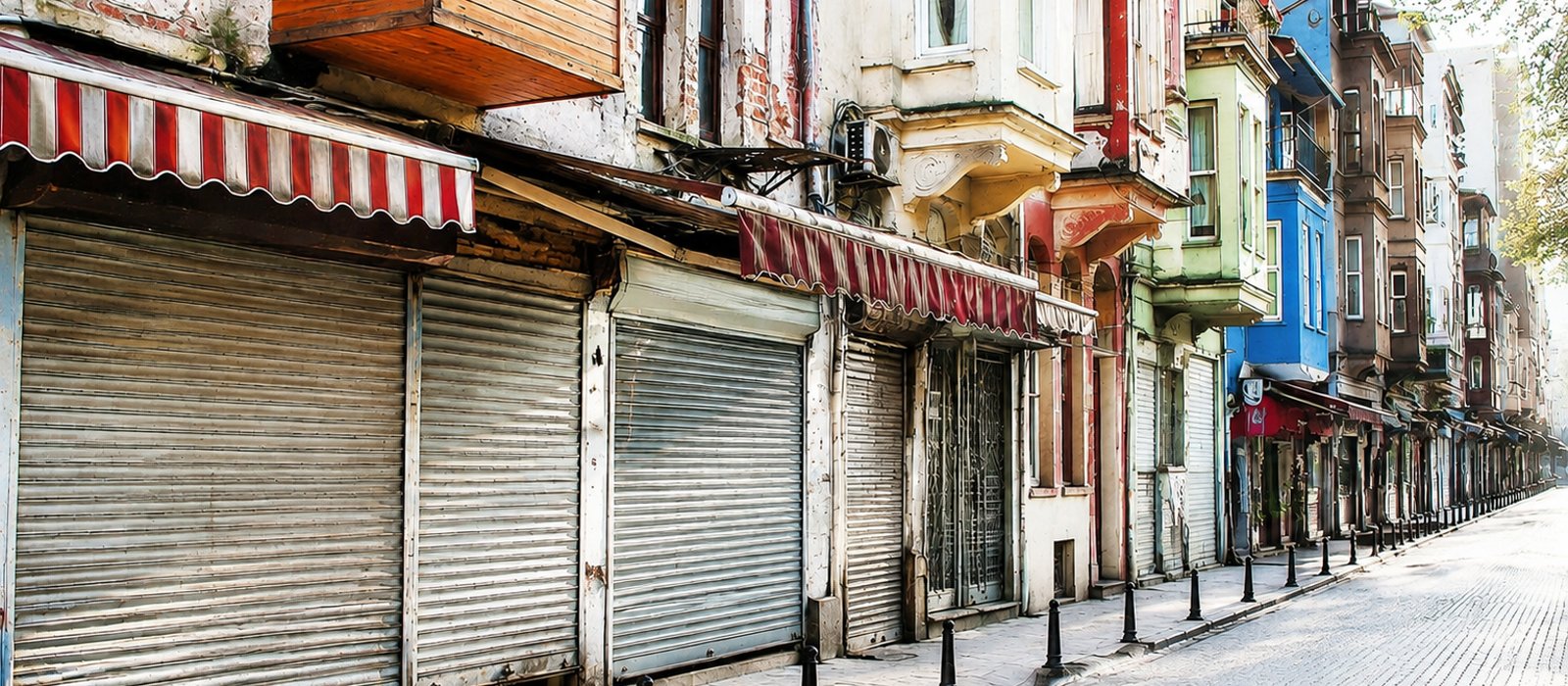
Commercial life is a different matter and follows no single rule — shops, restaurants and tourist businesses make their own decisions, and those decisions differ between a coastal resort in season and an inland town. Istanbul's Grand Bazaar closes on Sundays and on the first day of religious Bayrams, which is its own long-standing rule rather than a general one.
The extras nobody can predict
Two things routinely happen around Bayram that are decided year by year rather than fixed in advance.
Turkey does not automatically extend Bayram with bridge days; additional administrative leave for public-sector employees may be announced by decision on a year-by-year basis and published when decided. Some years the holiday is effectively longer than the legal block. Some years it isn't.
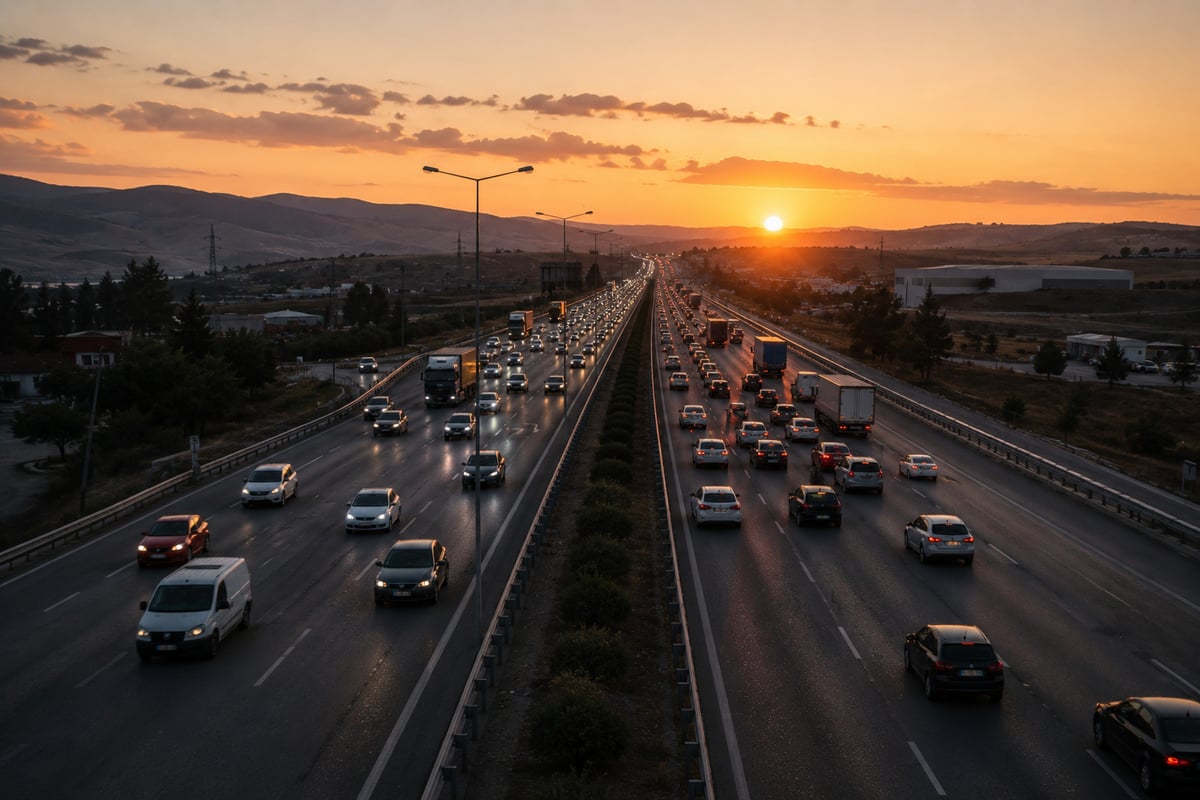
The other is transport. Toll-free passage over Bayram is not automatic: it is granted by a presidential decree published in the Official Gazette for that year's holiday window, and when granted it covers bridges and motorways operated by the General Directorate of Highways plus free municipal public transport, while excluding build-operate-transfer crossings such as the Yavuz Sultan Selim Bridge.
Both are announced rather than scheduled, which is the practical point: the legal holiday can be looked up years ahead, and the extras cannot be looked up at all until that year's announcement.
Where these dates fall against the months a first trip is usually planned for is a question that runs across the seasonal guides rather than sitting inside any one of them. Turkey, Worked Out maps the calendar against the seasons in one place.
FAQ
What are the two Bayrams?
Ramazan Bayramı, the three-day festival ending the fasting month, and Kurban Bayramı, the four-day Feast of Sacrifice about two months later. Both are national public holidays fixed in law.
When is the next Bayram?
Ramazan Bayramı falls 9-11 March 2027, preceded by a half-day from 13:00 on 8 March, and Kurban Bayramı 16-19 May 2027, preceded by a half-day from 13:00 on 15 May.
How long is the official holiday?
The eve is a half-day from 13:00, then three full days for Ramazan Bayramı and four for Kurban Bayramı — three and a half and four and a half days in total.
Do the dates change every year?
Yes. Both move about 10 to 11 days earlier each Gregorian year, because they follow the lunar calendar. Dates from a previous trip won't repeat.
Is everything closed during Bayram?
Banks, government offices and official institutions close for the full days and the arife half-day. Shops, restaurants and tourist businesses follow no single rule and vary by region.
Keep planning
Not sure how it all fits together?
Pick your trip length and we'll point you to the right day-by-day itinerary.