Turkish holiday dates come from three different places, and understanding which one produces which piece explains something travelers find genuinely confusing: why some Turkish holidays can be looked up a decade ahead, others only a year ahead, and some not until a few weeks before they happen.
Three authorities, three kinds of certainty.
One: the law fixes the dates that don't move
Turkey's national holidays are set by statute, which is why they never shift. The fixed public holidays are 1 January, 23 April, 1 May, 19 May, 15 July, 30 August and 29 October, with a half-day from 13:00 on 28 October.
These are the certainties. You can plan against them for any year you like.
Two: the law fixes the length of the religious holidays, but not their position
This is the part that surprises people. The two Bayrams are national public holidays with a legally defined duration — the statute says how long, and the lunar calendar says when.
The eve of each religious Bayram is a half-day public holiday beginning at 13:00, when official institutions and many workplaces close, and the full days follow: three for Ramazan Bayramı, four for Kurban Bayramı.
So the shape of the holiday is permanent and the position is not. That's an unusual combination for anyone used to holidays that are either fixed (Christmas) or fixed-by-rule (fourth Thursday in November).
Three: Diyanet declares the religious dates
The Presidency of Religious Affairs — Diyanet — publishes the religious calendar, including Ramadan and both Bayrams. Its calendar is what Turkish institutions, employers and transport operators work from.
The dates are calculated astronomically and published well in advance, which is why you can find 8 February to 8 March 2027 for the next Ramadan today. But they remain subject to confirmation against the lunar month, so a date printed a year ahead can move by a day. A published Turkish religious date is a strong forecast rather than a fixture, and the honest way to read one is as provisional until close to the time.
Why they move at all
The Islamic lunar calendar is about eleven days shorter than the solar Gregorian year, so Ramadan and both Bayrams fall roughly 10 to 11 days earlier each Gregorian year. Over about three decades each one travels through every season and returns.
The practical consequence is that Turkish holiday dates don't repeat. Notes from a previous trip, or a friend's advice from three years ago, describe a calendar that has already moved by a month.
The third layer: what gets decided each year
On top of the statutory holiday, some things are decided annually by government decision and cannot be known in advance at all.
Extra administrative leave
Turkey does not automatically extend Bayram with bridge days; additional administrative leave for public-sector employees may be announced on a year-by-year basis and published when decided. In some years a four-and-a-half-day legal block becomes a longer effective one. In others it doesn't.
Toll-free travel
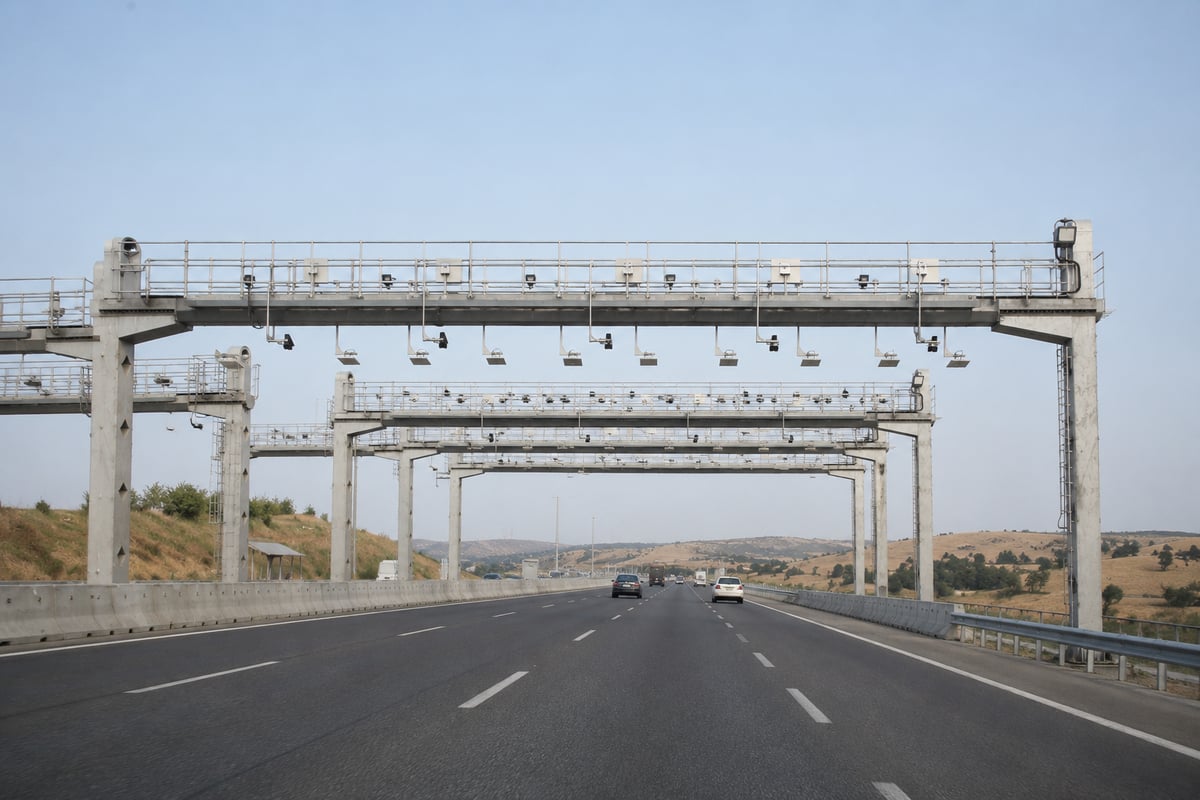
Toll-free passage over Bayram is not automatic: it is granted by a presidential decree published in the Official Gazette for that year's holiday window, and when granted it covers bridges and motorways operated by the General Directorate of Highways plus free municipal public transport, while excluding build-operate-transfer crossings such as the Yavuz Sultan Selim Bridge.
The exclusion is the detail worth keeping. Even in a year when the decree is issued, not every crossing is covered — the BOT bridges and motorways charge as usual, which for a driver in Istanbul means one Bosphorus crossing may be free while another isn't.
Reading a Turkish date, in short
Three questions answer almost everything:
Is it a fixed national holiday? Then it's in the statute and it's certain.
Is it a religious holiday? Then its length is in the statute and its date comes from Diyanet, provisional until confirmed.
Is it extra leave or free tolls? Then it's a government decision for that year and it doesn't exist until announced.
What none of these pages does is put the moving calendar against the seasons a trip is actually planned for. Turkey, Worked Out does that in one place.
FAQ
Who decides Turkish holiday dates?
Three authorities. Statute fixes the national holidays and the length of the religious ones, Diyanet declares the religious dates, and a government decision each year adds anything extra such as administrative leave or toll-free travel.
Why do Turkish holidays move?
The lunar calendar is about eleven days shorter than the solar year, so the religious holidays fall roughly 10 to 11 days earlier each Gregorian year. The fixed national holidays don't move at all.
How far ahead can I look up a Bayram date?
Diyanet publishes years in advance and the calculation is astronomical, but confirmation against the lunar month means a date can shift by a day. Treat a distant date as provisional rather than fixed.
Are the tolls free during Bayram?
Only when a decree says so that year. When granted it covers General Directorate of Highways bridges and motorways plus free municipal transport, and excludes build-operate-transfer crossings such as the Yavuz Sultan Selim Bridge.
Will the Bayram holiday be extended this year?
Not knowable ahead of the announcement. There are no automatic bridge days; extra administrative leave is announced year by year when decided.
Keep planning
Not sure how it all fits together?
Pick your trip length and we'll point you to the right day-by-day itinerary.