Turkey has two kinds of public holiday and they behave completely differently. The religious ones move about eleven days earlier each year. The national ones sit on fixed dates and never move — and those are the ones an American planning a trip is most likely to walk into unaware, because none of them coincides with a US holiday.
Here is the fixed calendar, what legally closes on those days, and what doesn't.
The fixed national holidays
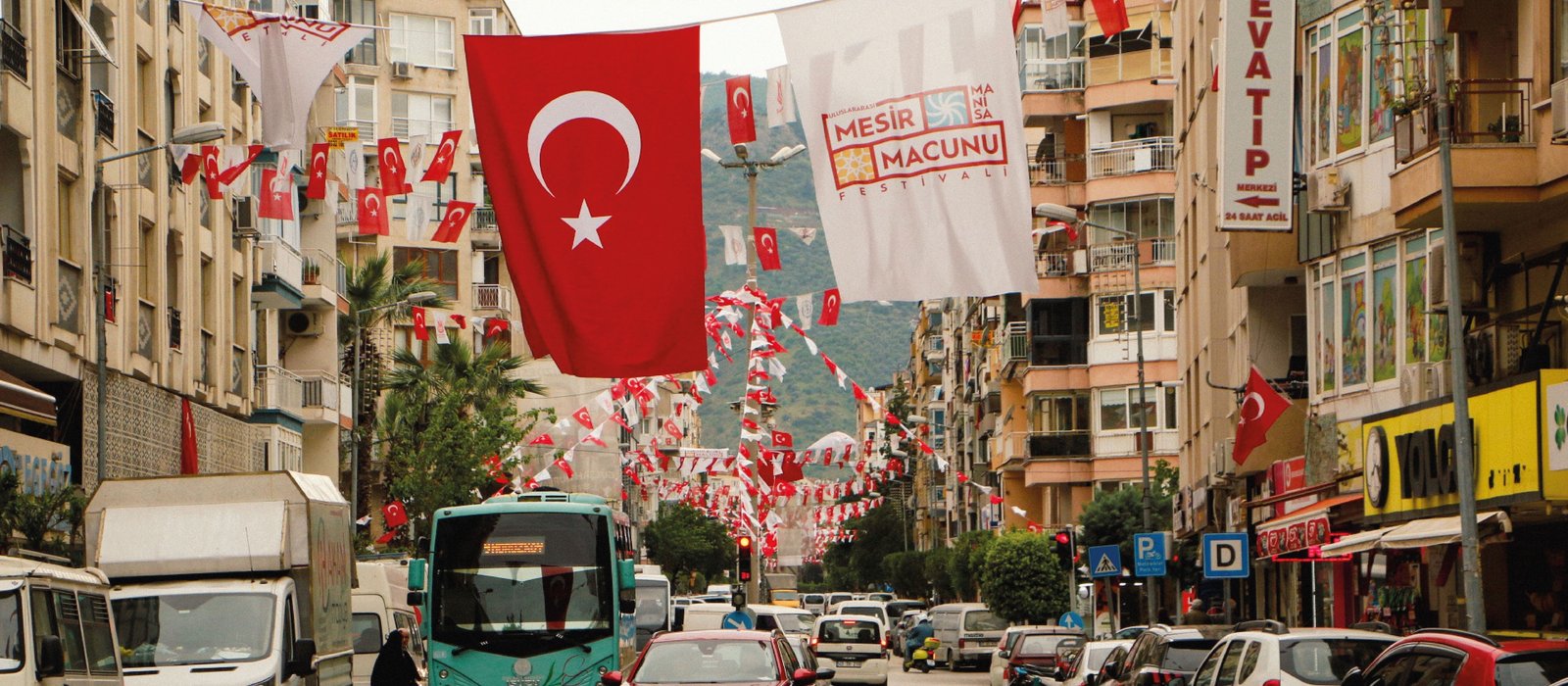
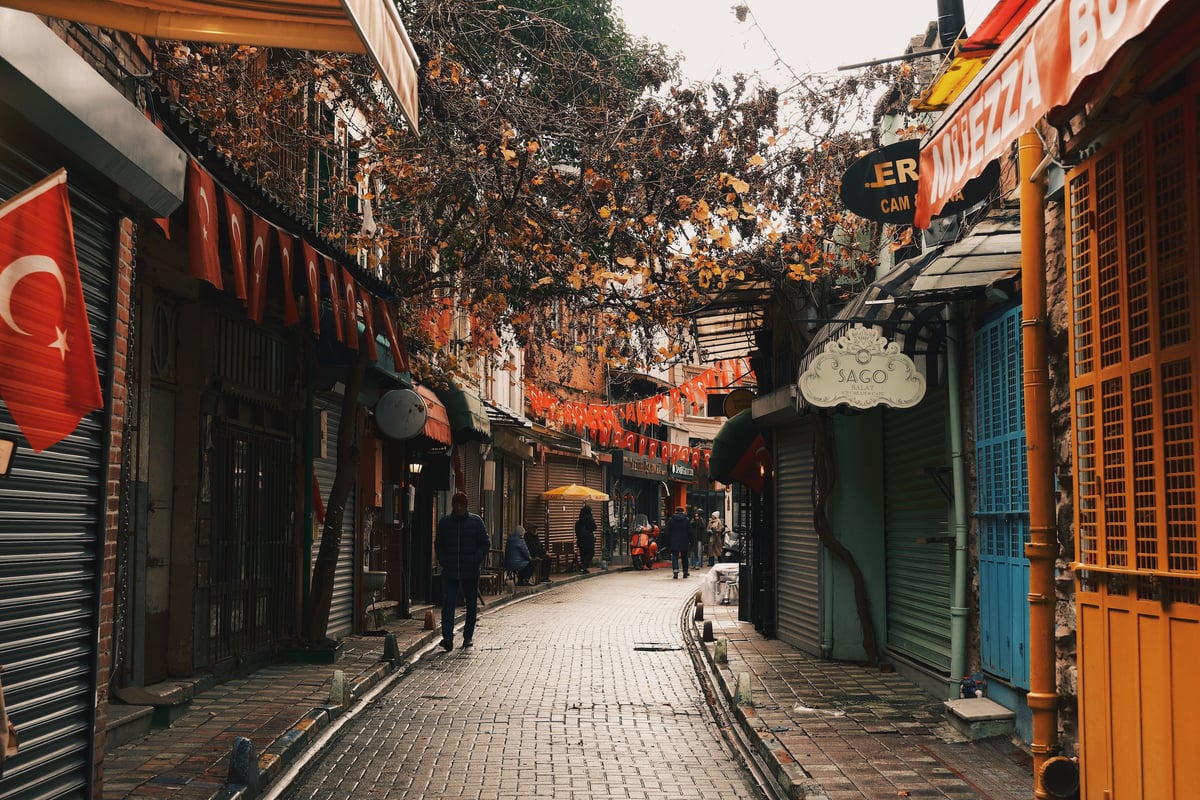
Turkey's fixed public holidays are 1 January (New Year), 23 April (National Sovereignty and Children's Day), 1 May (Labour and Solidarity Day), 19 May (Commemoration of Atatürk, Youth and Sports Day), 15 July (Democracy and National Unity Day), 30 August (Victory Day), and 29 October (Republic Day), which is preceded by a half-day from 13:00 on 28 October.
Two of those are worth a second look for anyone travelling in spring. The 23 April and 19 May holidays fall inside the window most first trips are planned for, and Republic Day on 29 October sits at the end of it. None of them stops a holiday, but all of them close the official half of the country.
The half-day pattern
Republic Day carries the same structure as the religious Bayrams: a half-day from 13:00 the afternoon before, then the full day. The eve of each religious Bayram is likewise a half-day public holiday from 13:00, when official institutions and many workplaces close.
The half-day is the part that catches people. An office or bank you could use in the morning is shut after lunch, and the closure is legal rather than discretionary.
What closes, legally
Banks, government offices and official institutions are closed on all national public holidays and on the full days of both Bayrams, plus the arife half-day from 13:00.
That's the whole of the legal closure, and for a traveler it means a specific short list: no banking counter, no government office, no post office. Card payments, ATMs and everything online continue as normal.
What follows its own rule
Istanbul's covered bazaars are the notable exception to the general commercial pattern. The Grand Bazaar closes on Sundays and on the first day of religious Bayrams — a long-standing rule of its own rather than a consequence of the public-holiday law.
That combination is worth noticing: a Sunday that also falls on a Bayram is not doubly closed, but a Bayram that falls midweek closes the bazaar on a day it would normally be busy.
What the public-holiday law doesn't reach
Shops, restaurants, hotels and tourist businesses aren't covered by the closure rule and make their own decisions. There is no national pattern to report — practice differs between a resort town in season, a big-city tourist district and a small inland town, and it differs between one business and the one next door.
The same is true of museums and archaeological sites: no single published schedule sets their holiday hours, and they are handled site by site. If a specific site matters to your plan on a specific date, its own page is the only reliable source.
National holidays versus Bayram
The two kinds of holiday feel different on the ground even though the legal closure is identical.
A fixed national holiday is a day off. Ceremonies, flags, a public mood, and everything commercial running more or less normally. The religious Bayrams are longer blocks — a half-day from 13:00 and then three or four full days — and they carry a family-visiting tradition that a single day off doesn't.
Which of these dates a trip actually runs into depends on the months it's planned for, and that connection is made across the seasonal guides rather than inside any one of them. Turkey, Worked Out puts the calendar and the seasons side by side.
FAQ
What are Turkey's public holidays?
1 January, 23 April, 1 May, 19 May, 15 July, 30 August and 29 October, with a half-day from 13:00 on 28 October, plus the two religious Bayrams, which move each year.
Will banks be open?
Banks, government offices and official institutions close on national holidays and on the full days of both Bayrams, plus the arife half-day from 13:00. ATMs and card payments are unaffected.
Is the Grand Bazaar open on a holiday?
It closes on Sundays and on the first day of religious Bayrams — its own rule, separate from the public-holiday law.
Do museums and sites close?
There's no single published schedule covering holiday hours across state museums and sites; it's handled individually. For a specific site on a specific date, check that site's own page.
What's the half-day rule?
The afternoon before Republic Day and before each religious Bayram is a half-day holiday from 13:00. Somewhere open in the morning may be closed after lunch, and that closure is legal rather than discretionary.
Keep planning
Not sure how it all fits together?
Pick your trip length and we'll point you to the right day-by-day itinerary.