Turkey is a more card-friendly country than most American visitors expect, and simultaneously a place where you will be caught out without cash. Both of those are true, and they're true in predictable places.
Here's where cards work, where they don't, and what varies.
Where cards work reliably
Card payment is reliably accepted at hotels, larger restaurants, supermarkets, shopping malls and tourist shops in major cities, with Visa and Mastercard both widely taken; acceptance thins out at small shops, street vendors, public transport and in rural areas.
That's observed practice rather than a published statistic — no official nationwide acceptance data exists, and the honest framing is a pattern rather than a percentage.
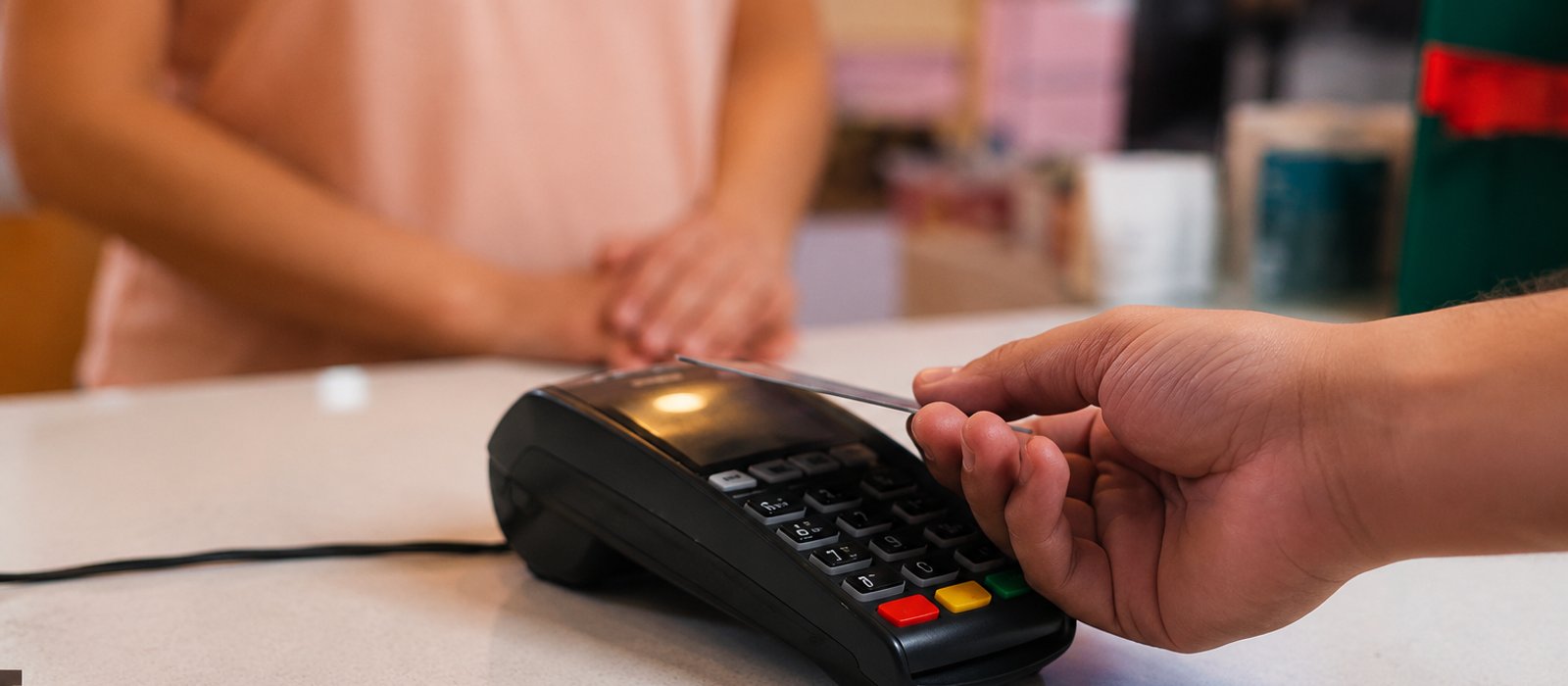
Contactless payment is widely available, particularly in major cities and tourist areas, with most terminals supporting it. In practice a card that taps in the US taps in Istanbul.
Where cash is required
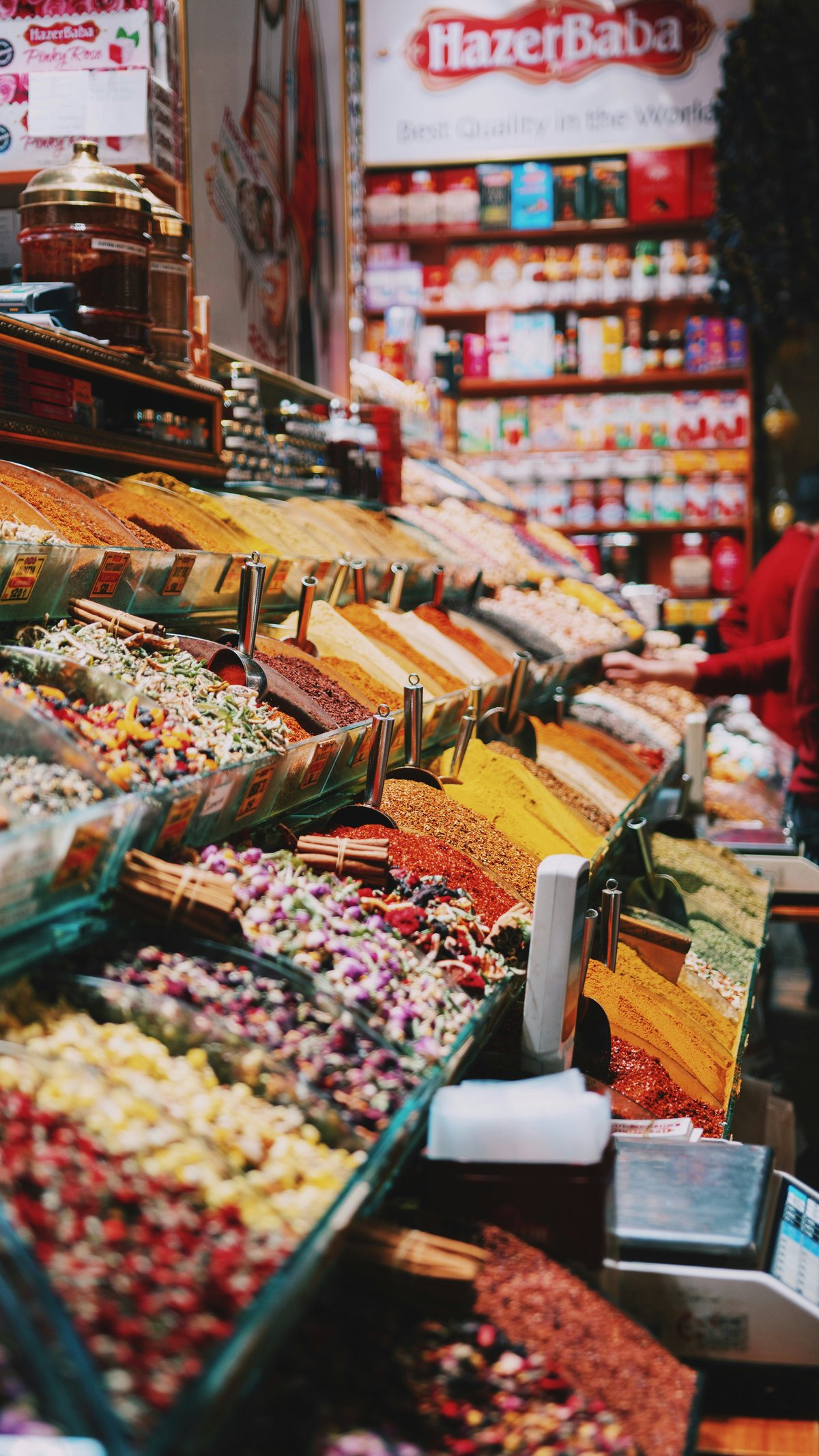
Cash is required at small family-run restaurants, street food stalls, bazaar stalls — especially where bargaining is involved — taxis not using an app, public toilets, and for tips.
Look at what that list has in common. It isn't cheapness, and it isn't backwardness. It's transactions that are small, negotiated, or personal — the ones where a terminal would sit awkwardly between two people agreeing a price.
Bargaining is the clearest case. A negotiated price and a card terminal don't fit together comfortably, and in a bazaar the negotiation is the transaction rather than a preliminary to it.
Tipping is the other consistent one, and it catches Americans specifically, because adding a tip to a card slip is so routine at home that its absence isn't noticed until the moment it's needed.
How it varies by place
Card acceptance is most widespread in Istanbul, Ankara and Izmir and in resort areas such as Antalya and Cappadocia; in smaller towns and rural areas cash is more dominant.
The pattern maps onto the tourist trail rather than onto wealth. A resort town with a fraction of Ankara's population may be more card-friendly than an ordinary provincial city, because its businesses are built around visitors.
Which means the transition isn't gradual as you travel — it's abrupt, and it happens when you step off the trail rather than as you move further from a city.
When a card is declined
Common causes of a foreign card being declined in Turkey include insufficient funds, hitting a daily withdrawal limit, an issuer's fraud detection responding to an unusual location, an incorrect PIN, network problems, or the card not being enabled for international use.
Note that most of those originate at your own bank rather than in Turkey. A decline in a Turkish shop is frequently a decision made in the United States, which is why it can look inexplicable from where you're standing — and why it's covered separately in what freezes a card.
Machines and terminals in Turkey are modern and the networks are reliable. The failure point is usually the relationship between your card and its issuer, not the infrastructure in front of you.
What this does to the arithmetic
The reason acceptance matters beyond convenience is that it determines how much cash a trip actually consumes — and cash has a cost, set out in what a Turkish ATM withdrawal actually costs, where at least one major bank publishes a charge in double-digit percentages.
Two travelers on identical itineraries can need very different amounts of cash depending on how they eat, how they move around, and how much time they spend off the main trail. The acceptance pattern isn't a fixed property of Turkey — it's a function of the trip.
So the question of how much cash to draw isn't answerable from a general fact about the country. It depends on a specific itinerary and a specific way of travelling.
Turning that into an actual number, against withdrawal charges that behave differently at different amounts, is exactly the calculation these guides can't do for you. Turkey, Worked Out does it.
FAQ
Can I use a card everywhere in Turkey?
Not everywhere. Hotels, larger restaurants, supermarkets, malls and tourist shops in cities take cards reliably; small shops, street vendors, transport and rural areas are thinner.
Where will I definitely need cash?
Small family-run restaurants, street food, bazaar stalls where bargaining is involved, non-app taxis, public toilets, and tips — small, negotiated or personal transactions.
Does contactless work?
Yes, widely, especially in cities and tourist areas, with most terminals supporting it. A card that taps at home generally taps in Turkey.
Is it different outside the cities?
Cash is more dominant in smaller towns and rural areas. The pattern follows the tourist trail rather than city size, so the change is abrupt rather than gradual.
Why was my card declined?
Insufficient funds, a daily limit, issuer fraud detection reacting to the location, a wrong PIN, network issues, or international use not enabled — most of which are decisions made by your own bank rather than in Turkey.