Turkey is one of the richest countries on Earth for UNESCO World Heritage Sites, with a list that spans prehistoric temples, ancient cities, natural wonders, and living Ottoman quarters. For travelers, the UNESCO designation is a useful shortlist of the country's most significant places. Here are the highlights worth building a trip around and how they fit together.
What UNESCO status means for travelers
A World Heritage listing signals that a site has "outstanding universal value" — cultural or natural significance important to all of humanity. For travelers, that's a useful filter in a country as dense with history as Turkey: it points you toward the places experts consider most extraordinary. It doesn't always mean a site is dramatic to look at (some, like Göbeklitepe, are subtle and reward context over spectacle), nor that it'll be crowded — some of Turkey's listed sites see remarkably few foreign visitors. Think of the list as a curated starting point for planning, weighted toward significance rather than Instagram appeal, and you'll use it well.
The essential sites for first-timers
Several World Heritage Sites sit right on the standard Turkey route, so most visitors see them without detouring:
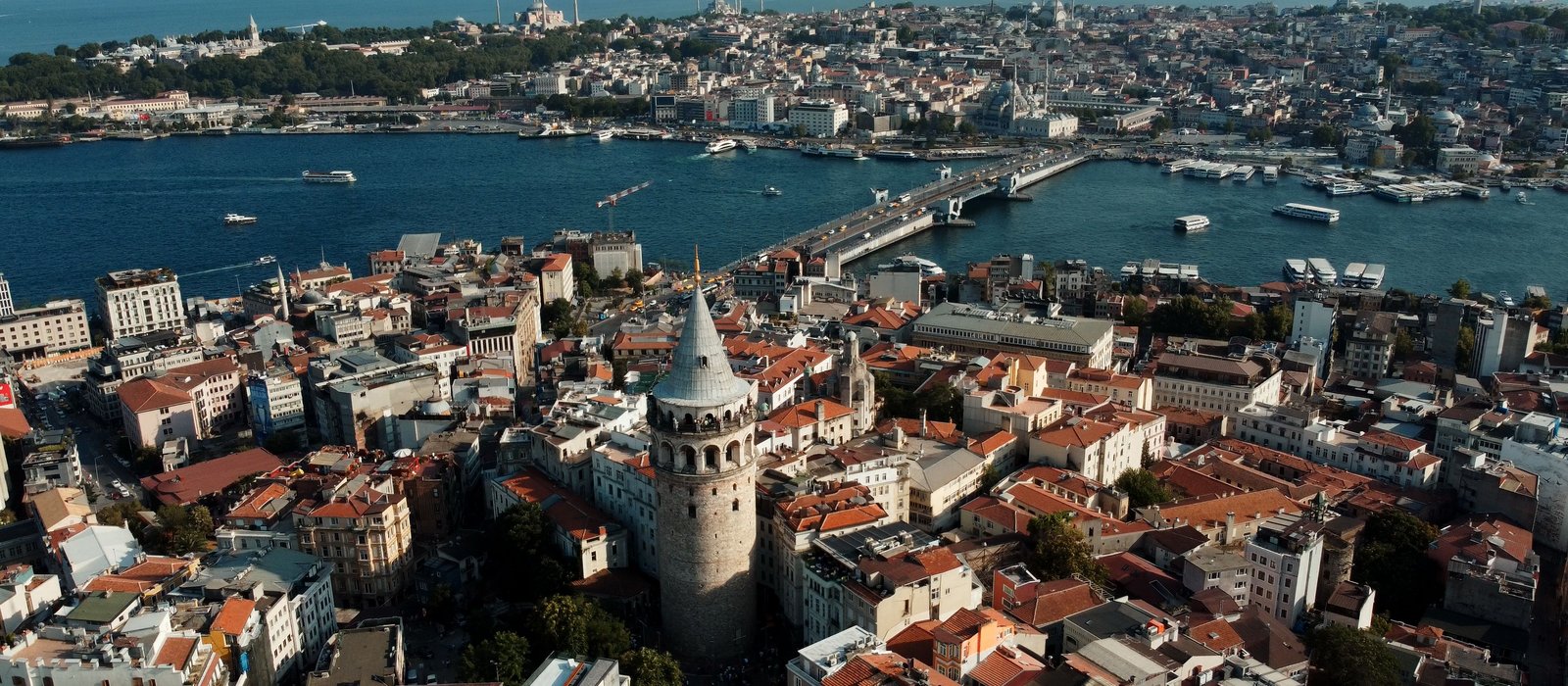
Historic Areas of Istanbul — the historic peninsula, including Hagia Sophia, the Blue Mosque area, and Topkapı Palace. See our Istanbul guide.
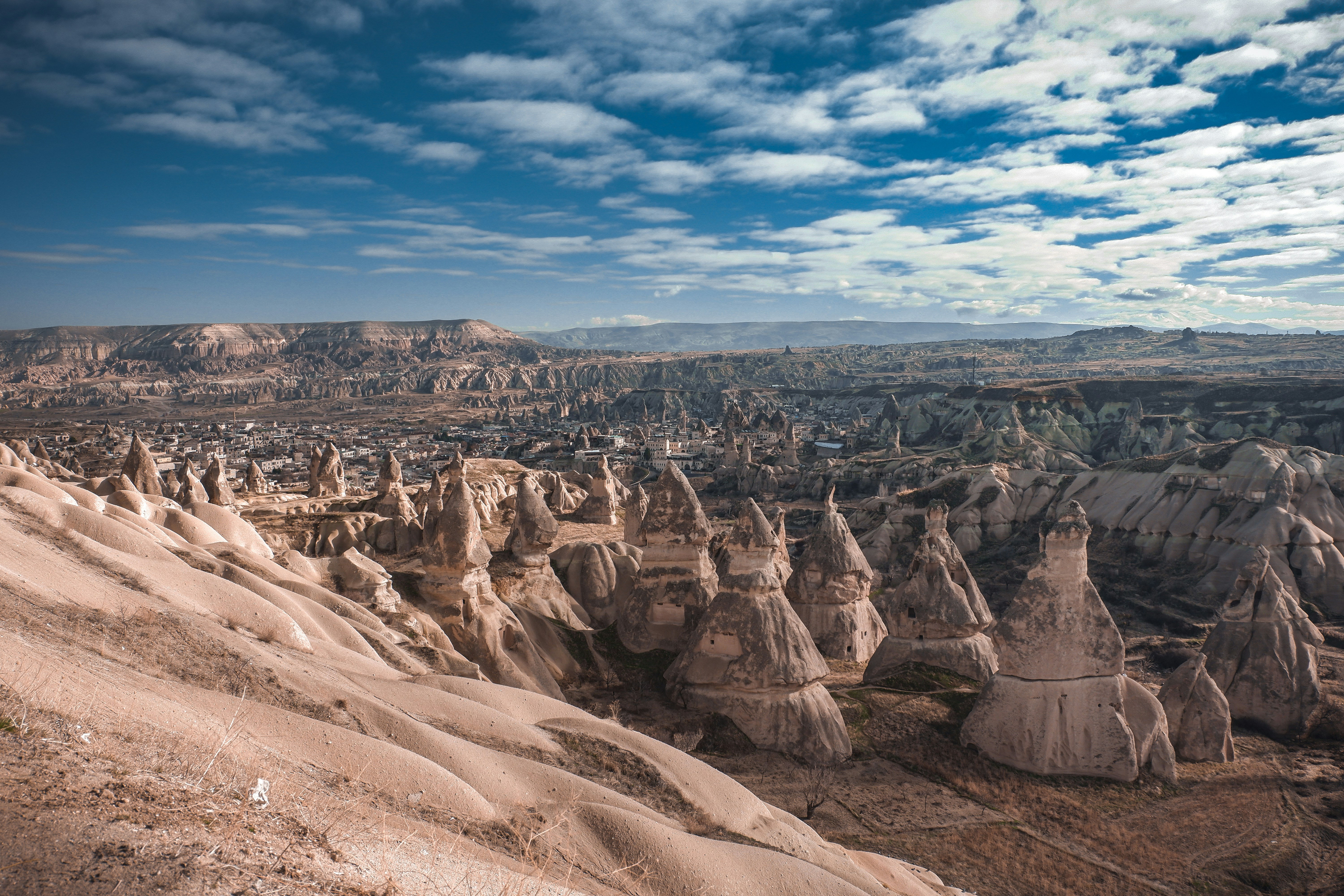
Göreme National Park & the Rock Sites of Cappadocia — the fairy-chimney valleys, cave churches, and underground cities.
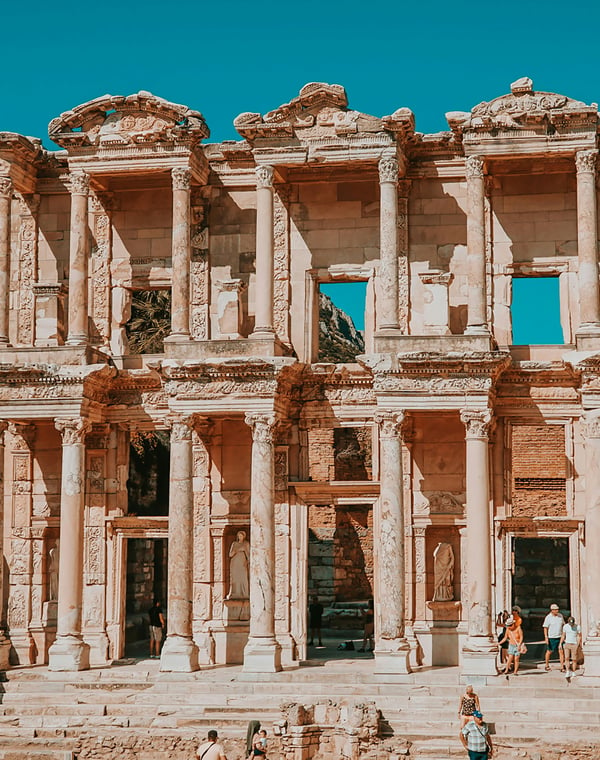
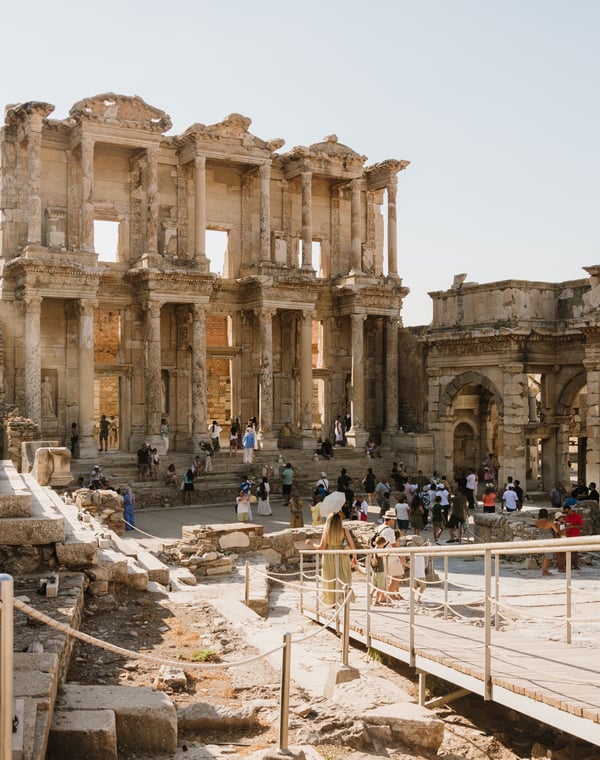
Ephesus — the great classical city on the Aegean coast.
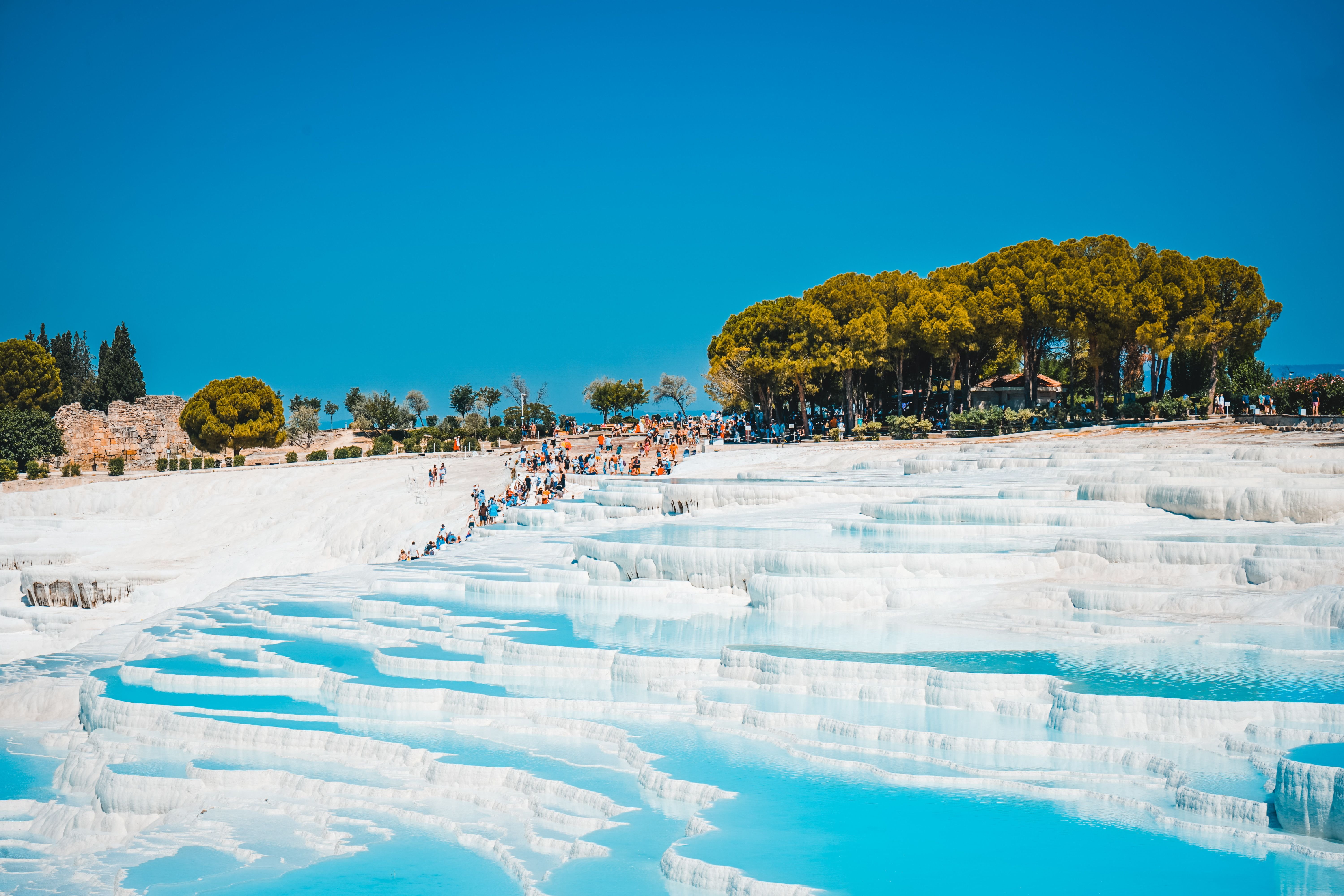
Hierapolis-Pamukkale — the white travertine terraces topped by an ancient spa city, a combined cultural-and-natural site.
Natural and mixed sites
Turkey’s list isn’t only about human history. Hierapolis-Pamukkale is a rare “mixed” site, recognized for both its natural travertine terraces and the ancient spa city above them — geology and archaeology in one extraordinary place. Cappadocia’s listing likewise blends the surreal volcanic landscape of fairy chimneys with the rock-cut churches and underground cities carved into it. These mixed and natural sites are a reminder that Turkey’s heritage spans the made and the found, and they’re often the most visually spectacular stops of all.
The headline ancient sites
Two of Turkey's most extraordinary UNESCO listings reward travelers willing to go a little further:
Göbeklitepe — near Şanlıurfa in the southeast, the world's oldest known temple at roughly 11,000 years old.
Nemrut Dağ (Mount Nemrut) — the giant toppled stone heads of a 1st-century-BC royal sanctuary, best at sunrise.
Both need a dedicated Eastern Turkey trip rather than a quick add-on, but for history lovers they're among the most memorable places in the country.
For the classics and deeper cuts
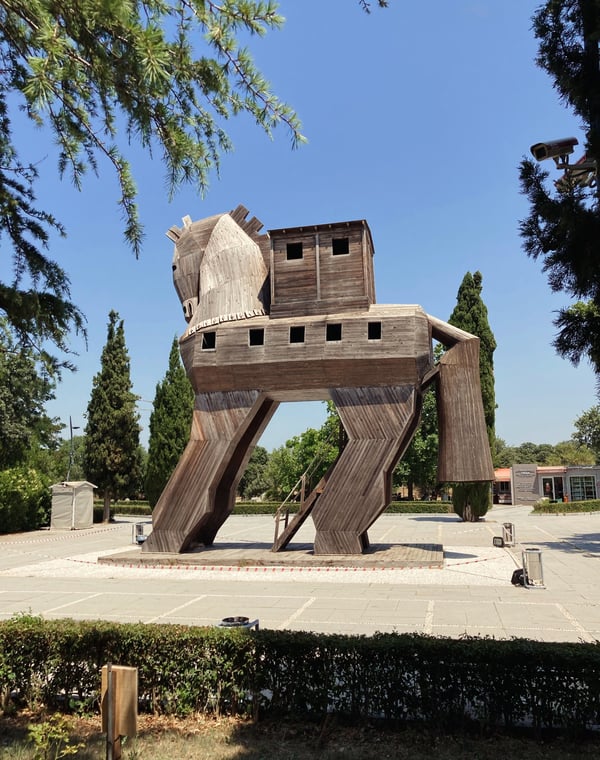
Beyond the headliners, Turkey's list includes Troy in the northwest (the legendary city of the Iliad), Pergamon with its dramatic acropolis, and the Hittite capital of Hattusa in central Anatolia. These suit travelers with a strong interest in ancient history and the time to reach them. Many of these are covered in our best ancient ruins guide.
How to fit them into a trip
The beauty of Turkey's UNESCO sites is how many fall on the classic itinerary: a standard first trip of Istanbul, Cappadocia, and the Aegean coast naturally bags four or five World Heritage Sites without any special planning. Add the Mediterranean coast — itself part of the Lycian heritage landscape — and you cover even more. The eastern sites (Göbeklitepe, Nemrut) are the ones that require a deliberate, separate journey. If you're tracking admission costs across multiple sites, a Museum Pass can be worth it. Use the UNESCO list as a planning shortcut, not a checklist to exhaust — even the famous sites reward a slow, curious visit.
Living heritage, not just ruins
It's worth remembering that Turkey's World Heritage list isn't only ancient stones. It includes living, inhabited places and cultural landscapes — historic Ottoman-era quarters, traditional villages, and the layered cities where people still live and work among the monuments. Istanbul's listing covers a working historic core, not a roped-off ruin. This blend of the ancient and the living is part of what makes Turkey such rewarding travel: you don't just look at history behind glass, you walk through it, eat in it, and sleep beside it. Approaching the UNESCO sites with that mindset — as places still breathing rather than museum pieces — makes for a far richer trip.
FAQ
How many UNESCO sites does Turkey have?
Turkey has nearly two dozen World Heritage Sites spanning ancient cities, natural wonders, and historic quarters. This guide focuses on the ones most rewarding for travelers.
Which UNESCO sites can I see on a first trip?
Historic Istanbul, Cappadocia, Ephesus, and Pamukkale-Hierapolis all sit on the standard route, so a typical first trip covers four or five.
What is Turkey's most important UNESCO site?
It depends on your interests — Istanbul's historic areas and Ephesus are the most visited, while Göbeklitepe is arguably the most globally significant as the world's oldest known temple.
Which sites need a special trip?
The eastern sites — Göbeklitepe and Mount Nemrut — require a dedicated Eastern Turkey journey rather than a quick detour.
Keep planning
Not sure how it all fits together?
Pick your trip length and we'll point you to the right day-by-day itinerary.