Few countries on Earth can match Turkey for ancient ruins. This is the land of Troy and Ephesus, of Hittites and Romans, of the world's oldest known temple — a place where you can stand among Greek theaters, Roman libraries, and prehistoric megaliths often with barely another visitor around. Here are the best archaeological sites in the country and what makes each one worth the journey.
Ephesus — the showstopper
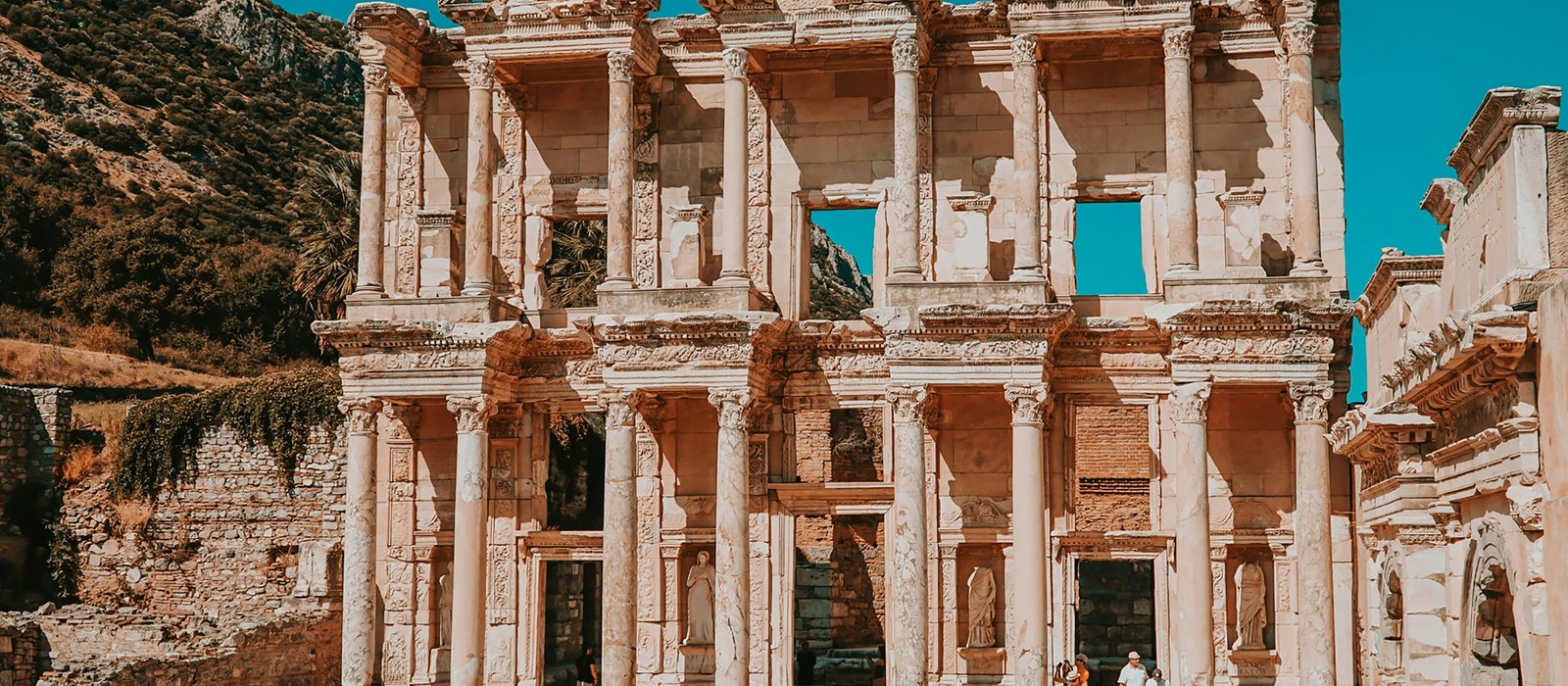
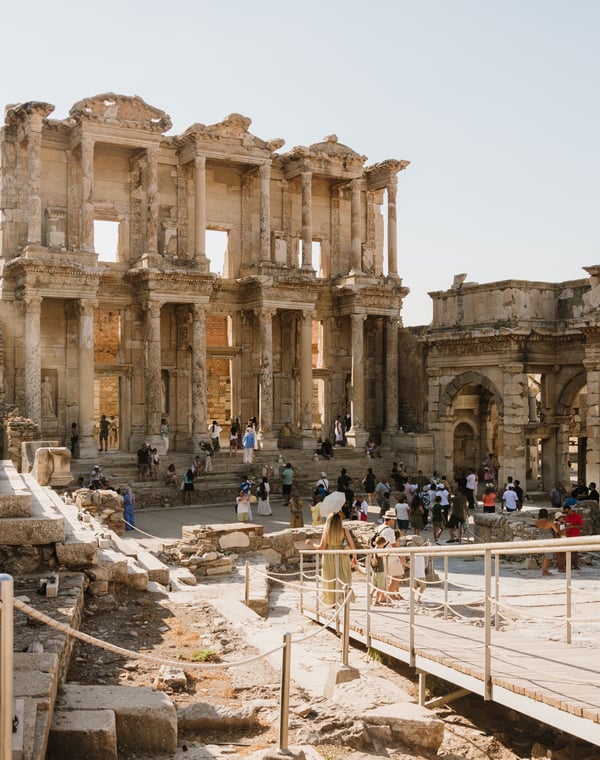
If you see only one ancient site in Turkey, make it Ephesus, on the Aegean coast near Selçuk. One of the best-preserved classical cities in the Mediterranean, it's anchored by the magnificent two-story facade of the Library of Celsus and the vast Great Theatre, with marble streets, temples, and (for an extra ticket) the remarkably frescoed Terrace Houses. It's the most visited and most rewarding ruin in the country. See our complete Ephesus guide.
Göbeklitepe — the oldest
In the southeast near Şanlıurfa, Göbeklitepe is the oldest known temple on Earth — roughly 11,000 years old, predating farming, writing, and the pyramids. Its carved T-shaped megaliths have rewritten the timeline of human civilization. It's remote, but for history lovers it's a pilgrimage. See our Göbeklitepe & Şanlıurfa guide.
Pergamon & Troy — the classics of the northwest
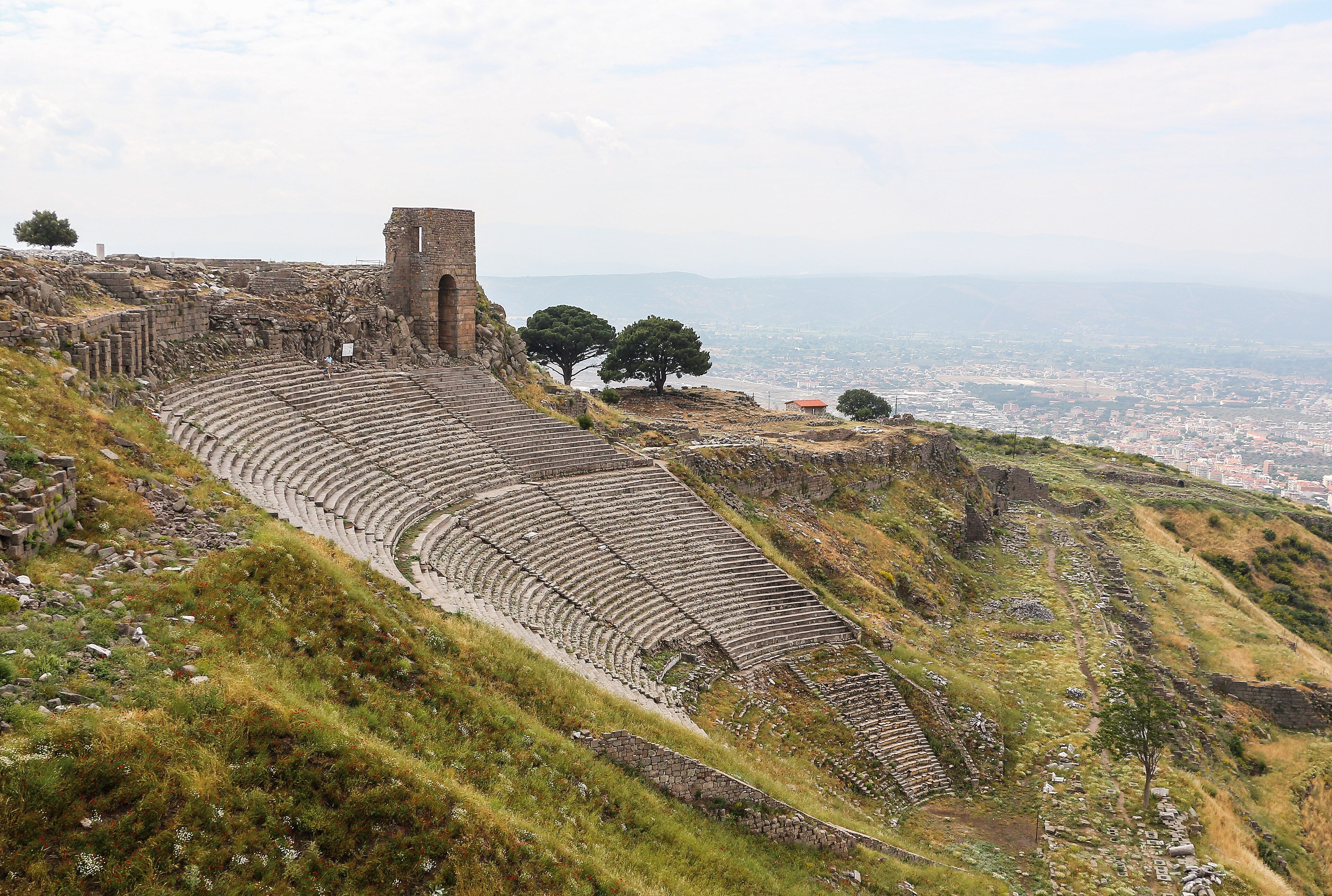
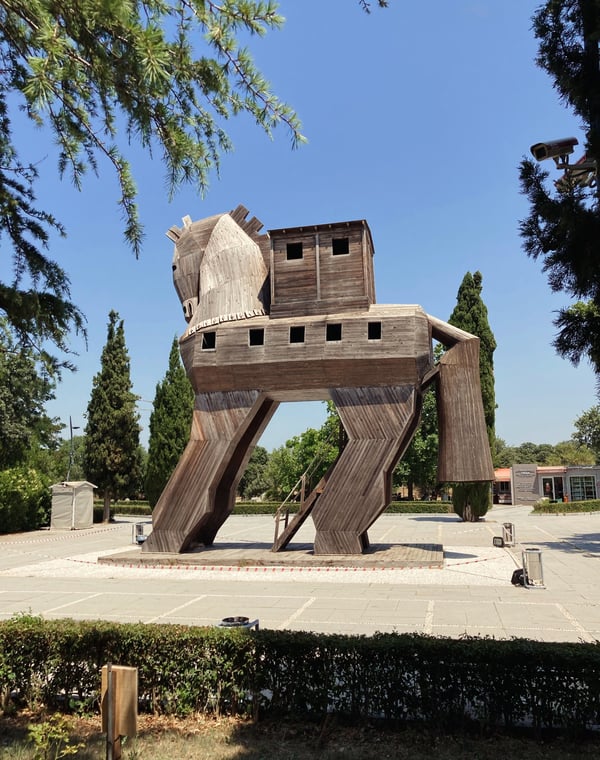
In the northwest Aegean, Pergamon (near modern Bergama) crowns a steep acropolis with one of the most vertiginous ancient theaters anywhere, a great library city of the Hellenistic world. Nearby, Troy — yes, that Troy — layers nine cities of legend and history, best appreciated with a guide and an imagination primed by Homer. See our Troy guide.
Pamukkale & Hierapolis — ruins on a natural wonder
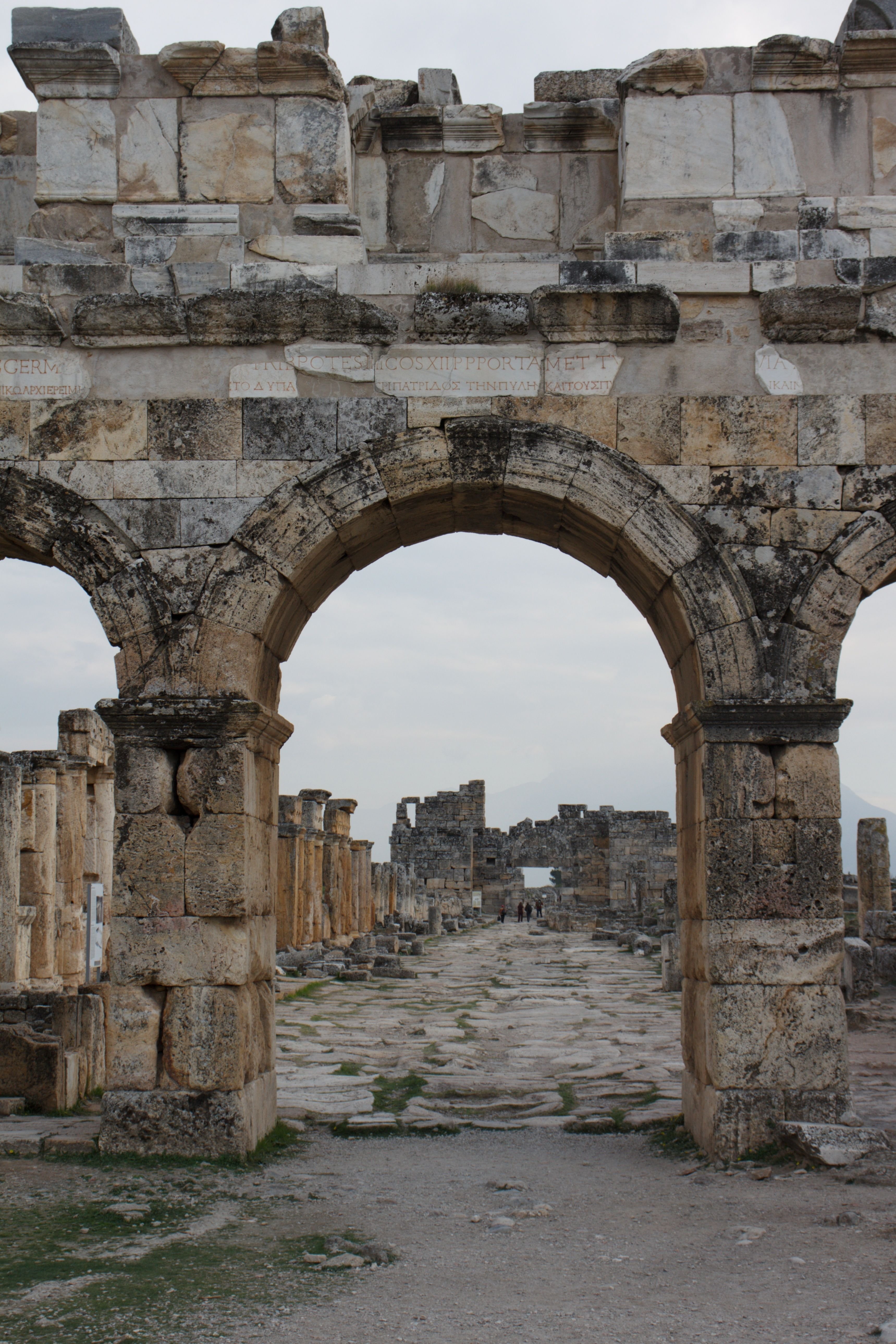
Above the famous white travertine terraces of Pamukkale spreads Hierapolis, a Greco-Roman spa city with a grand theater, a vast necropolis, and the chance to swim among submerged ancient columns in the antique pool. The combination of geology and archaeology is unique.
Mount Nemrut & the Mediterranean sites
In the east, the giant toppled stone heads of Mount Nemrut stare across the mountains from a 1st-century-BC royal sanctuary — unforgettable at sunrise. Along the Mediterranean coast, the superbly preserved Roman theater at Aspendos and the colonnaded streets of Perge reward a day trip from Antalya, while the Lycian ruins of Myra, Patara, and Olympos mix ancient stone with beaches.
A few more for the truly ruin-obsessed
The sites above are the ones most travelers should prioritize. But if you have extra time or a deep love of archaeology, Turkey rewards going further off the beaten path. Lesser-known options worth a mention — secondary to the headliners, and mostly for dedicated enthusiasts — include Aphrodisias inland from the Aegean, famous for its marble sculpture school and stadium; Sagalassos, set high in the mountains near Antalya; and the Hittite capital of Hattusa in central Anatolia, with the walls and gates of a Bronze Age empire. The underground cities and rock churches of Cappadocia are archaeological wonders in their own right too. The takeaway: in Turkey you can build an entire trip around ancient history and never run out of sites — most of them far less crowded than comparable ruins in Greece or Italy.
How to fit ruins into a trip
Most first-timers will naturally hit Ephesus from the Aegean and the Antalya-area sites from the Mediterranean coast, with Hierapolis bundled into a Pamukkale visit. The eastern sites — Göbeklitepe and Nemrut — need a dedicated Eastern Turkey trip. If a Museum Pass is on your radar, it can cut costs across multiple sites — see our museum pass guide. Hiring a local guide at the major ruins is consistently worth it; the stones come alive with their stories.
Practical tips for visiting ruins
A few things make ruin-hopping in Turkey easier. Most major sites have little shade, so go early or late and bring sun protection and water — summer middays at Ephesus or the eastern sites can be brutal. Wear sturdy shoes for uneven ancient stone. Many sites charge admission, so if you're visiting several, look into whether a Museum Pass saves money. And whenever you can, hire a licensed guide at the gate or book a tour: the difference between wandering past anonymous rubble and understanding what you're seeing is enormous. With a little planning, Turkey's ruins deliver some of the most rewarding history travel anywhere in the world.
FAQ
What is the best ancient site to visit in Turkey?
Ephesus, on the Aegean coast, is the best-preserved and most rewarding for most visitors, anchored by the Library of Celsus and the Great Theatre.
What is the oldest ruin in Turkey?
Göbeklitepe near Şanlıurfa — a roughly 11,000-year-old temple complex, the oldest known monumental site in the world.
Are guided tours worth it at Turkish ruins?
Yes — at major sites like Ephesus, Pergamon, and Göbeklitepe, a local guide brings the history to life and is consistently worth the cost.
Can I see Turkey's main ruins on a first trip?
Ephesus and the Antalya-area and Pamukkale sites fit a standard western itinerary. The eastern sites like Göbeklitepe and Mount Nemrut need a dedicated Eastern Turkey trip.
Keep planning
Not sure how it all fits together?
Pick your trip length and we'll point you to the right day-by-day itinerary.