If your Turkey trip is heavy on museums and ancient sites, a Museum Pass can save you money and time — but only if your itinerary matches what the pass covers. Turkey runs an official state museum pass system with several regional versions, and the math depends entirely on where you're going and how much you'll see. Here's how to decide.
How the Museum Pass works
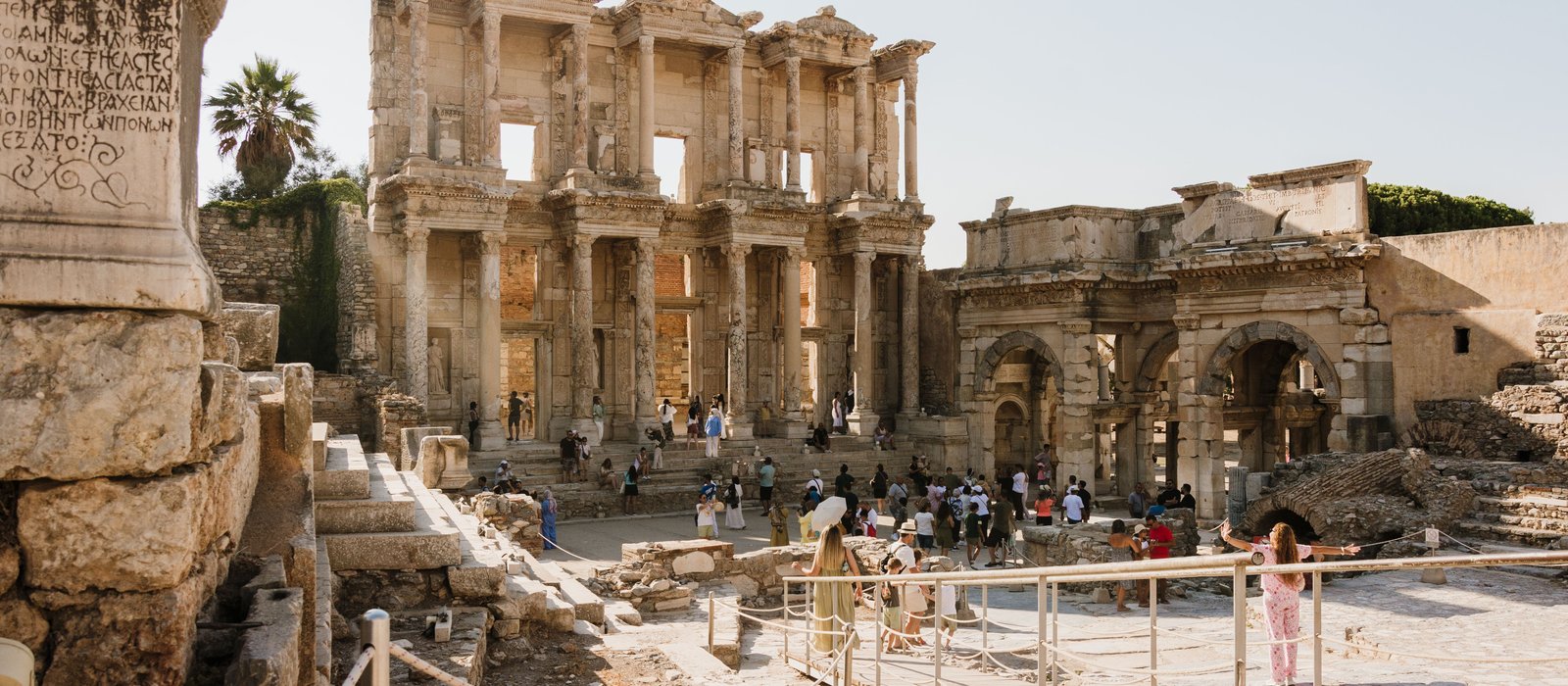
The official passes, run by the state, give you entry to many government-operated museums and archaeological sites within a region for a set period (commonly a few days from first use), and often let you skip the ticket line — a real benefit at busy sites in high season. You buy the pass online or at participating site entrances, then scan it for entry. It covers state-run sites; privately managed attractions and some extras (like certain special exhibits or the antique pool at Pamukkale) may not be included, so always check the current list of covered sites before buying.
The regional versions
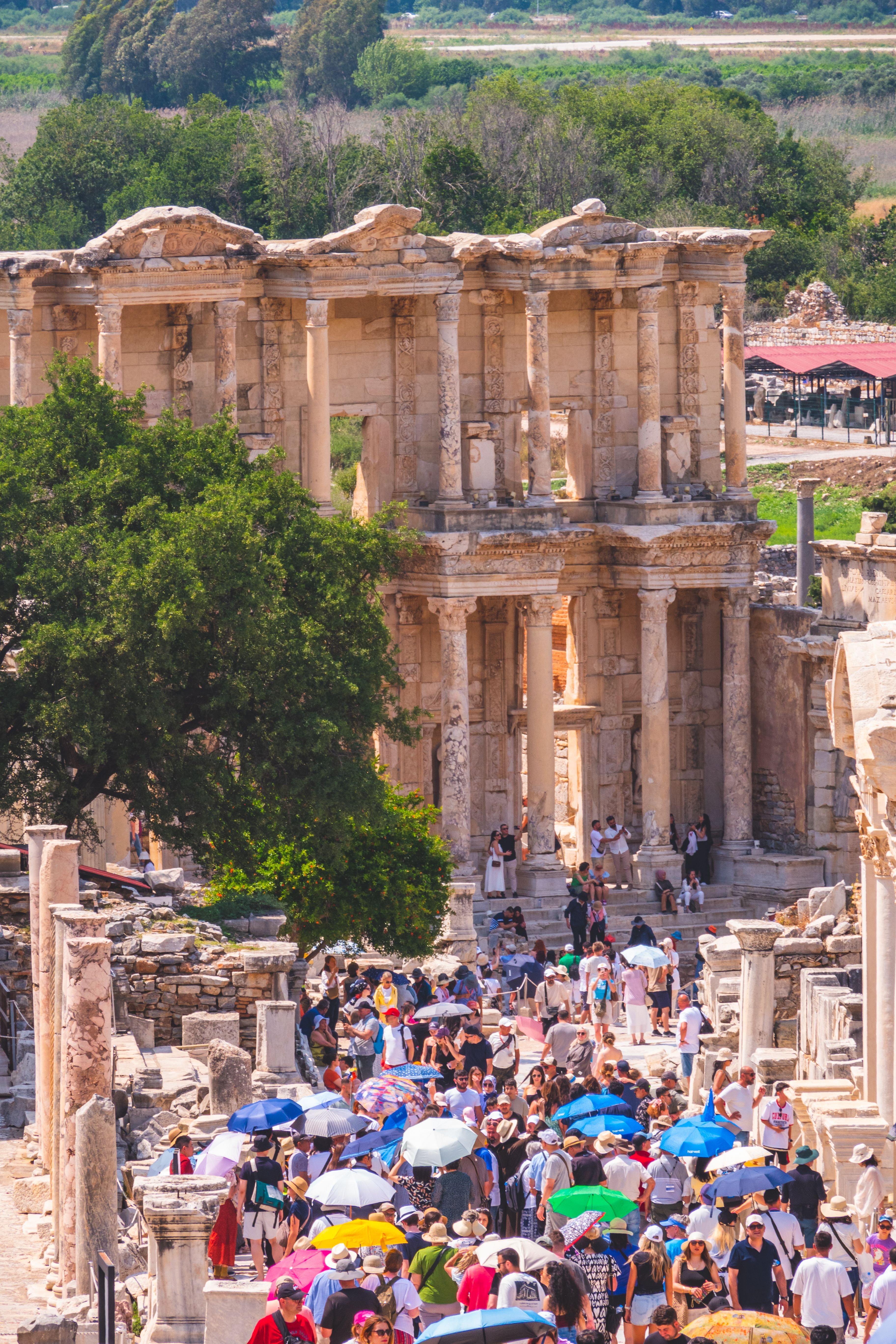
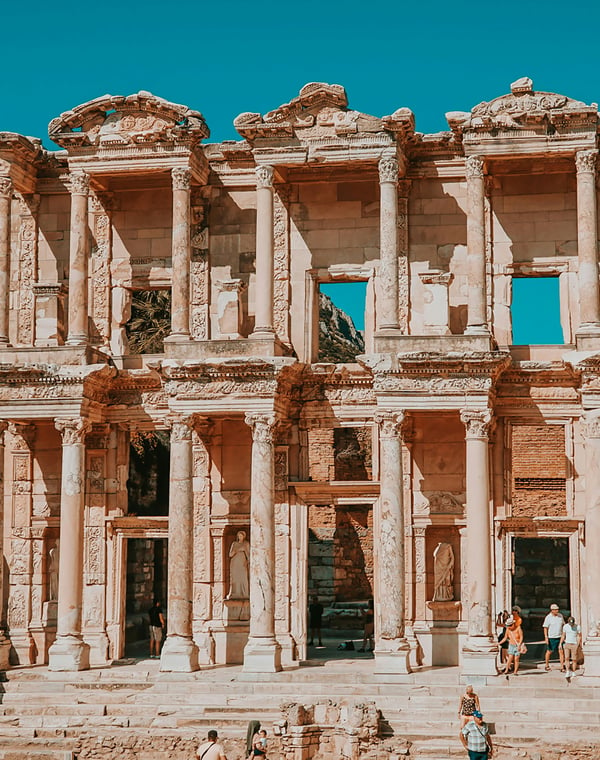
Rather than one national pass, Turkey offers several regional options tailored to where you'll travel — for example a pass focused on Istanbul, another for the Aegean region (Ephesus and nearby sites), one for Cappadocia, the Mediterranean, and a broader pass covering the whole country for longer trips. There's also typically a dedicated Hagia Sophia-area arrangement, since its status has changed. Pick the version that matches your route; buying the wrong regional pass is the most common mistake.
Is it worth it? Do the math
The pass pays off when you'll visit several covered sites within the validity window. The way to decide is simple: list the museums and sites you actually plan to enter, add up their individual admission prices, and compare with the pass cost. Because both ticket prices and the pass price move with inflation and the exchange rate, check the current prices when you plan rather than relying on old figures. As a rule of thumb, travelers doing an intensive sightseeing run — say Istanbul's major museums in a couple of days, or several Aegean sites — usually come out ahead, while those visiting only one or two sites generally don't.
A worked example
Here's how the decision plays out in practice. Imagine two days in Istanbul hitting several major ticketed sites — Topkapı Palace and its Harem, the Istanbul Archaeology Museums, and a couple of others. Paid individually, those admissions add up quickly, and at peak times you'd also wait in line at each. A regional pass covering them could cost less than the sum of the separate tickets while letting you walk past the queues — a clear win. Now imagine a beach-focused trip where you'll only step into one museum: the pass would cost more than that single ticket, so you'd skip it. The pass never has a fixed verdict; it's always a function of your specific list of sites against the current prices.
When to skip it
A pass isn't for everyone. If your trip leans toward beaches, food, and landscapes rather than ticketed museums, or if you're only hitting one marquee site, paying per entry is simpler and cheaper. Note too that some of Turkey's most iconic experiences — wandering Istanbul's neighborhoods, a Bosphorus ferry, the Cappadocia valleys, mosque visits (which are free) — don't require any ticket at all. Buy a pass to save money on a museum-intensive plan, not out of a vague sense that it must be a good deal.
Mosques and free sights
One thing that surprises many first-time visitors: some of Turkey's most iconic religious sites are free to enter and never need a pass. Working mosques — including the Blue Mosque and, as a functioning mosque, Hagia Sophia — don't charge admission to worship areas, though dress codes apply and Hagia Sophia has introduced a separate ticket for a visitor gallery. This matters for your pass math: if a big chunk of your sightseeing is mosques, neighborhoods, and outdoor landscapes, you may need far fewer paid tickets than you'd assume, which can tip the decision against buying a pass. Always separate the free experiences from the ticketed ones when you tally up.
Practical tips
Activate your pass on a day you'll visit multiple sites to maximize the validity window. Carry it with your passport, since some sites check ID. And always confirm the official current list of included sites and prices before purchasing — coverage and pricing are updated periodically. Used well, the pass is a genuine convenience and saving; used carelessly, it's money spent on entries you'd have skipped anyway.
FAQ
Is the Museum Pass Turkey worth it?
It's worth it if you'll visit several covered museums and sites within the validity window. Add up the individual admissions you plan to pay and compare with the pass price.
What does the Museum Pass cover?
Entry to many state-run museums and archaeological sites in a region, often with skip-the-line access. Privately run attractions and some extras may not be included — check the current list.
Are there different Museum Passes?
Yes — regional versions for Istanbul, the Aegean, Cappadocia, the Mediterranean, and a countrywide pass. Choose the one that matches your route.
Where do I buy a Museum Pass?
Online or at participating site entrances. Confirm the official current coverage and price before buying, as both change periodically.
Keep planning
Not sure how it all fits together?
Pick your trip length and we'll point you to the right day-by-day itinerary.