One of the most common questions American travelers ask before a Turkey trip is what to wear — and the good news is that Turkey is secular and Western-dressed in its cities and resorts, so you can pack much as you would for any trip. The nuances are around mosques and more conservative areas. Here's a practical packing and dress guide.
The general rule: Western clothing is fine
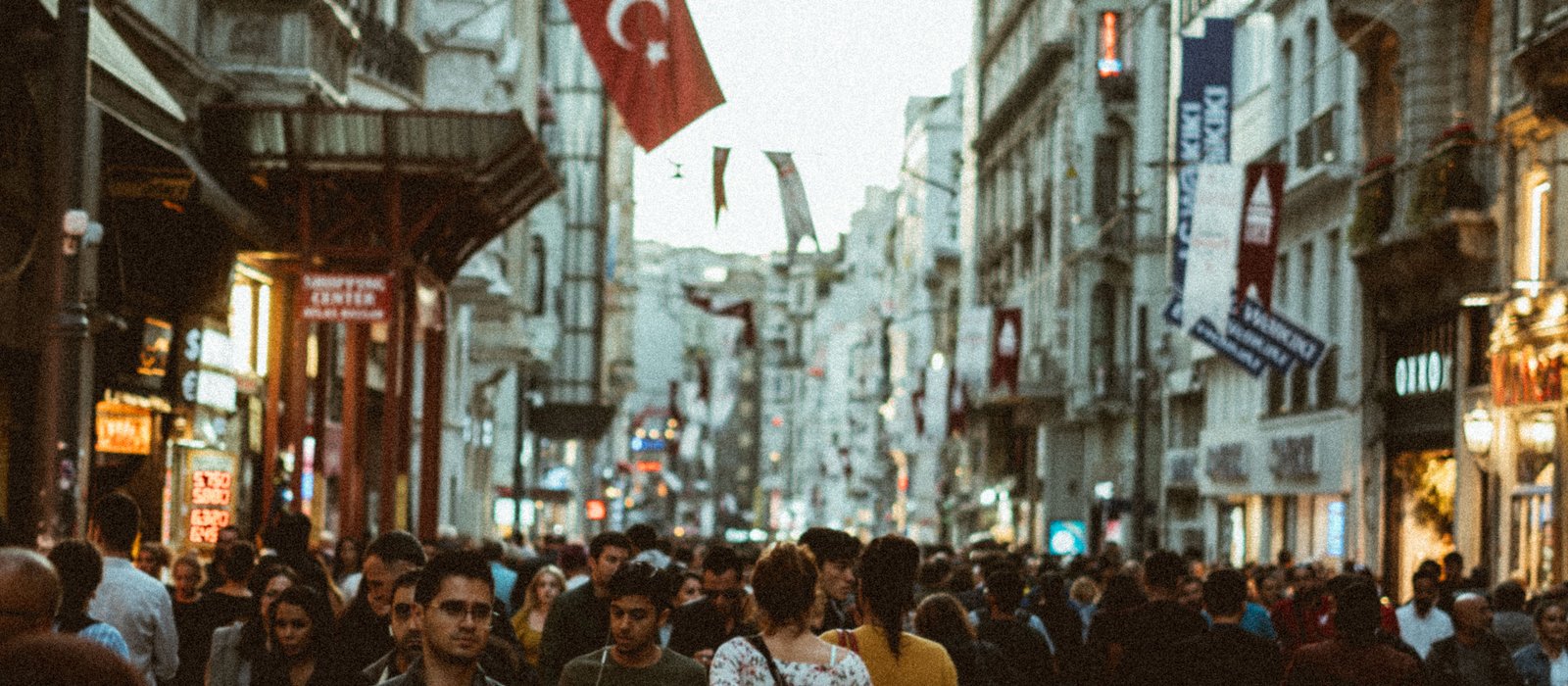
In Istanbul, the coastal resorts, and tourist areas, normal Western clothing is completely fine — jeans, dresses, shorts, t-shirts, and swimwear at the beach and pool. Turkey is a modern, secular country, and in cosmopolitan areas you'll see locals dressed exactly as you would at home. You do not need to cover up generally; the modest-dress considerations apply specifically to mosques and to more conservative regions, not to everyday life in the cities and on the coast.
Mosque dress code
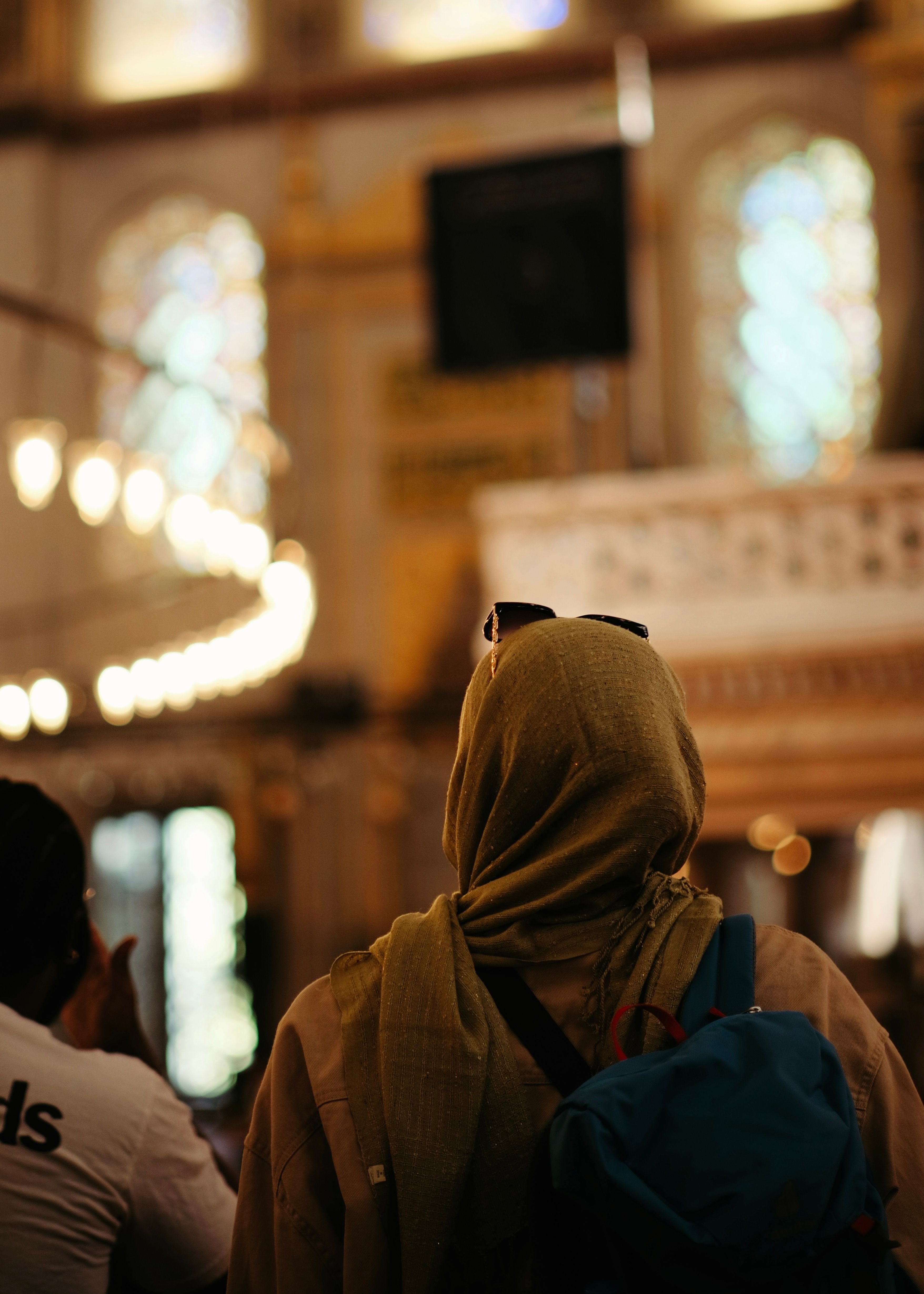
This is the one place with firm rules, since mosques are active places of worship. To enter: women cover their hair with a scarf and keep shoulders and knees covered; men wear long pants (not shorts); and everyone removes their shoes. The simplest solution is to carry a lightweight scarf in your day bag — it lets women cover hair and shoulders on the spot, and doubles as sun protection. Many major mosques also lend wraps and head coverings at the entrance, but having your own is easier.
Dressing for conservative and rural areas
Away from the cosmopolitan cities and resorts — in rural areas, the conservative interior, and the east — more modest dress is appreciated and helps you blend in. This doesn't mean anything elaborate: covering shoulders and knees, and avoiding very revealing clothing, is plenty. Women may feel more comfortable with a scarf handy and looser clothing in these areas. It's about respect and comfort rather than strict requirement, and locals are generally understanding of tourists — but a little sensitivity goes a long way and is warmly received.
What to pack by season
Match your packing to when you go:
Spring and fall (April–May, September–October) — layers: light clothing for warm days plus a sweater and light jacket for cool evenings, especially in Cappadocia.
Summer (June–August) — light, breathable clothing, swimwear for the coast, sun hat and sunglasses; but pack one modest outfit for mosques and any conservative-area visits.
Winter (November–March) — warm layers, a proper coat, and waterproofs; it's genuinely cold inland and in Istanbul, and snowy in Cappadocia.
What women should know
Since this is the most-asked question: women do not need to cover up in everyday situations in Turkey's cities and resorts — dresses, shorts, sleeveless tops, and swimwear at the beach are all normal and common, and you'll see Turkish women dressed the same way. The cover-up considerations are specific and limited: a scarf and covered shoulders and knees for mosques, and somewhat more modest dress (covering shoulders and knees, looser clothing) as a courtesy in conservative rural and eastern areas. A single lightweight scarf handles the mosque requirement anywhere on the spot. Beyond that, comfort and the weather should guide your choices far more than any dress code. Many first-time visitors are surprised by how relaxed and Western the dress culture is in the places they'll spend most of their time.
Footwear and practical extras
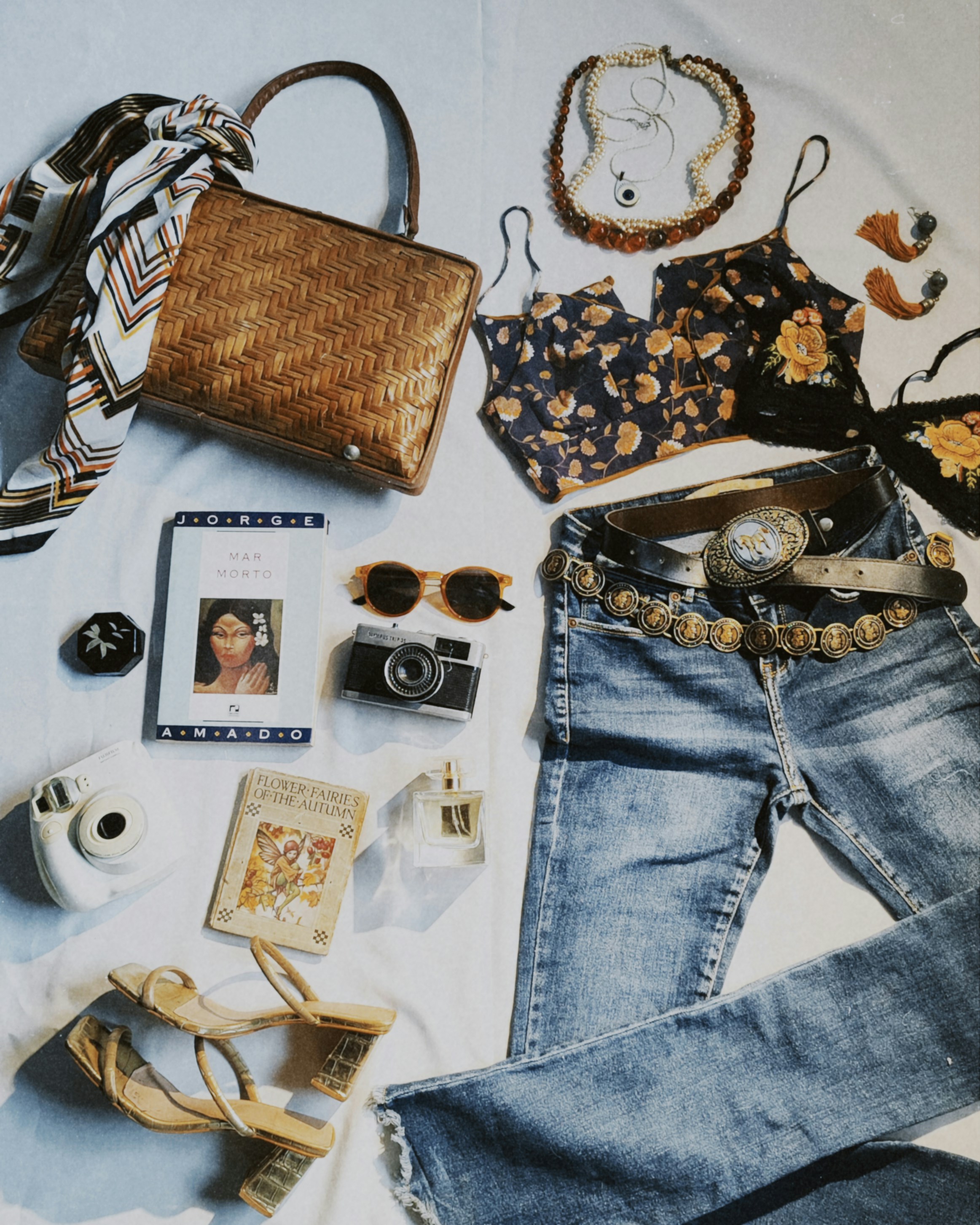
A few practical notes. Bring comfortable walking shoes — you'll walk a lot on uneven, often cobbled or ancient surfaces, and slip-on styles are handy given how often you'll remove shoes for mosques and homes. Pack that scarf (useful for mosques, sun, and cool evenings), sunscreen and a hat (the sun is strong, especially at shadeless ruins), and modest layers you can throw on for a mosque or a conservative town. Beyond that, dress as you normally would for a city-and-coast trip. For the broader customs, see our Turkish culture and etiquette guide.
A simple packing philosophy
Pull it all together with one idea: pack for a normal city-and-beach trip, plus one modest layer and a scarf. That covers you everywhere — the cosmopolitan cities and resorts where anything goes, the mosques where you'll need to cover up briefly, and the occasional conservative town where a little modesty is appreciated. Add comfortable, easy-off shoes for all the walking and shoe-removing, sun protection for the strong Turkish sun, and season-appropriate layers, and you're set. Turkey doesn't demand a special wardrobe; it just rewards a little versatility and the small courtesy of dressing respectfully when the setting calls for it.
FAQ
What should I wear in Turkey as a tourist?
Normal Western clothing is fine in Istanbul, the resorts, and tourist areas — including shorts and swimwear at the beach. Pack modest layers and a scarf for mosques and conservative areas.
Do women have to cover up in Turkey?
Not generally — only in mosques (cover hair, shoulders, and knees) and, as a courtesy, in conservative rural and eastern areas. In cities and resorts, dress as you would at home.
What do I wear to a mosque in Turkey?
Women cover hair with a scarf and keep shoulders and knees covered; men wear long pants; everyone removes their shoes. Carry a scarf, or borrow a covering at major mosques.
What should I pack for Turkey?
Comfortable walking shoes, a scarf, sunscreen and a hat, modest layers for mosques, and season-appropriate clothing — layers for spring/fall, light clothes and swimwear for summer, warm layers for winter.
Keep planning
Not sure how it all fits together?
Pick your trip length and we'll point you to the right day-by-day itinerary.