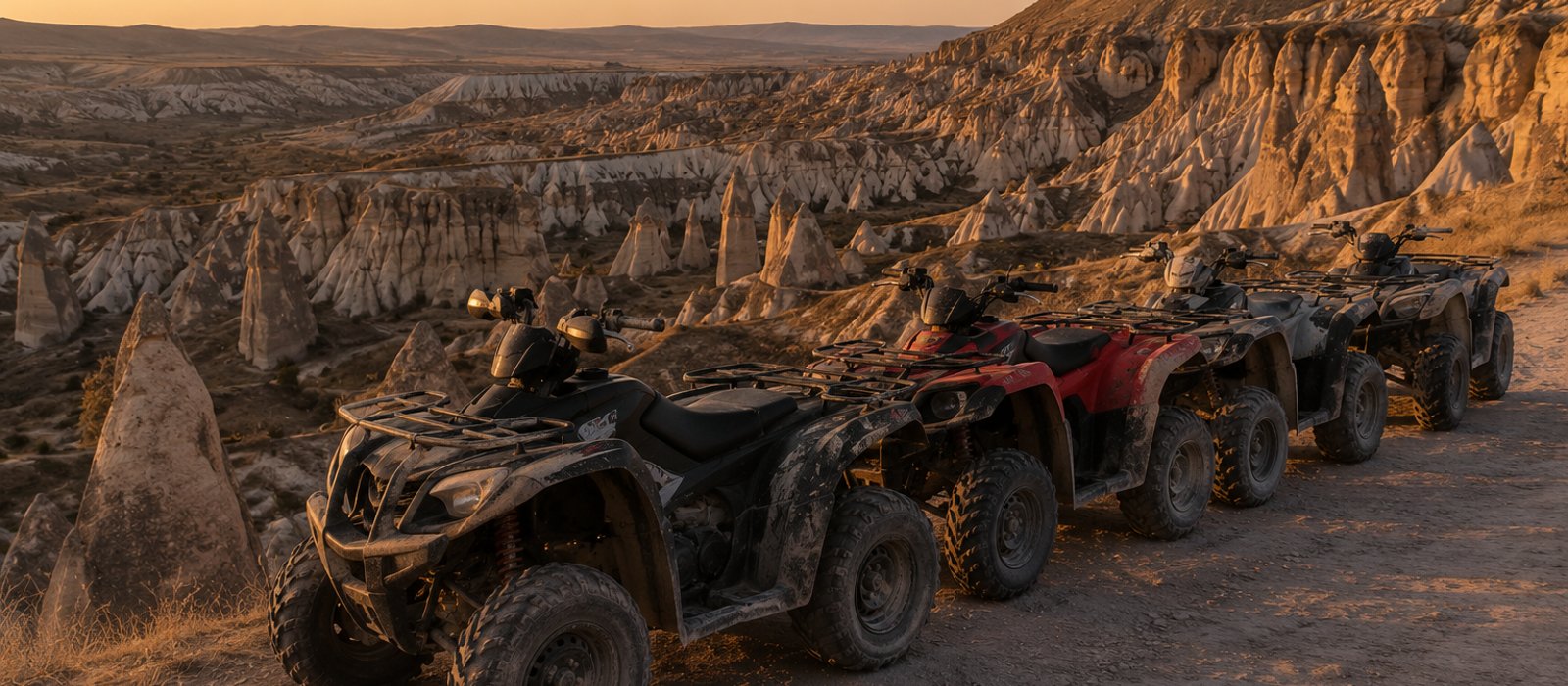
Rent a scooter in Kaş or an ATV in Cappadocia and the transaction takes about four minutes. Somebody looks at your licence, takes a deposit, hands you a key. It is one of the easiest things to do in Turkey, and it is also the point where the gap between what a rental operator accepts and what the law and your insurer require is at its widest.
This guide reports what's established and, just as importantly, what isn't.
What's clearly established
Helmets are mandatory for motorcycle and scooter riders and their passengers on all roads. That one is not in dispute anywhere.
And Turkish licensing classifies two-wheelers by engine size and power output into separate categories, distinct from the car licence. A Turkish car licence and a Turkish motorcycle licence are different documents obtained by different routes.
What isn't established, and why that matters
Here the honest answer is that the sources disagree, and the disagreement is not minor.
Published descriptions of what the light-motorcycle category covers vary between sources — some describe it as extending to 125cc machines, others as limited to under 50cc with a full motorcycle licence required above that. There are also reports of a regulatory change permitting car-licence holders of some years' standing to ride up to a stated engine size under conditions.
No authoritative table resolving this was available from an official Turkish source when this was researched, so no threshold is printed here. Quoting a specific cc figure from a secondary source would produce exactly the confident-and-wrong answer this guide exists to avoid.
What survives the uncertainty is the structural point, and it's the one that actually matters: a US car licence is not self-evidently a motorcycle entitlement in Turkey. Whatever the current threshold is, the category system exists and a car licence sits outside the motorcycle categories.
The rental operator is not the test
A scooter or ATV rental in a resort town is a commercial transaction, and the operator's willingness to hand over a key reflects its own assessment of risk and paperwork. It is not a determination that you are licensed to ride.
That's the same split running through car rental, covered in what the law says and what the desk says — the desk sets contract terms, not legal ones. On a scooter the gap simply matters more, because the third party in the arrangement is your insurer.
Where it connects to your policy
This is the reason the licence category is worth caring about at all.
Standard travel policies treat motorised two-wheelers as a distinct exclusion family, and where cover is granted it's typically conditional on holding a licence valid for that vehicle class plus compliance with local licensing rules. The detail is in the activities that void travel insurance in Turkey.
The consequence is structural rather than about the scooter: an activity exclusion doesn't only remove that activity from cover, it can remove claims arising from it — including the medical section, which carries the largest realistic exposure. What Turkish hospitals then bill, and how, is in what to expect when a Turkish hospital bills you.
So the four-minute transaction at the rental shack sits upstream of a chain that runs through your licence, your policy's conditions, and a hospital's billing department. None of those parties is present when the key changes hands.
ATVs and quads
ATVs and quads are treated as motor vehicles: for use on public roads they require registration, a plate and a valid driving licence, and machines built for off-road use are not permitted in traffic.
Most tourist ATV activity in places like Cappadocia runs as a guided tour on tracks and unsealed ground rather than as a road vehicle, which is a different arrangement again — and one where the operator's own liability cover, rather than yours, is doing the visible work. What that cover reaches, and what it doesn't, follows the same pattern as any licensed activity operator.
What's actually knowable before you go
Three things are, and they're the ones worth establishing in advance: the helmet requirement is absolute; your own policy's wording on two-wheelers is readable today; and the licence you hold is a fact you already know. The unresolved threshold is the only genuinely open variable, and it's open in the sources rather than in your circumstances.
Holding those three against each other — and against a rental operator who will ask for none of them — is the judgement these guides deliberately leave to you. Turkey, Worked Out works it through.
FAQ
Can I ride a scooter in Turkey on my US car licence?
The sources genuinely disagree on the engine-size threshold, and no official table resolved it when this was researched — so no figure is quoted here. The structural point holds regardless: a car licence is not self-evidently a motorcycle entitlement in Turkey.
The rental shop accepted my licence — doesn't that settle it?
No. That's a commercial decision about its own risk and paperwork, not a determination that you're licensed. Your insurer applies its own condition separately.
Are helmets required?
Yes — mandatory for riders and passengers on all roads. This one isn't disputed by any source.
What about ATVs?
On public roads they need registration, a plate and a valid licence, and off-road machines aren't permitted in traffic. Guided off-road tours are a different arrangement, running on the operator's cover.
Why does the licence category matter if enforcement is light?
Because the party that checks isn't at the roadside. Travel policies condition two-wheeler cover on holding a licence valid for the class, and an exclusion can reach the medical section — which is where the real exposure sits.