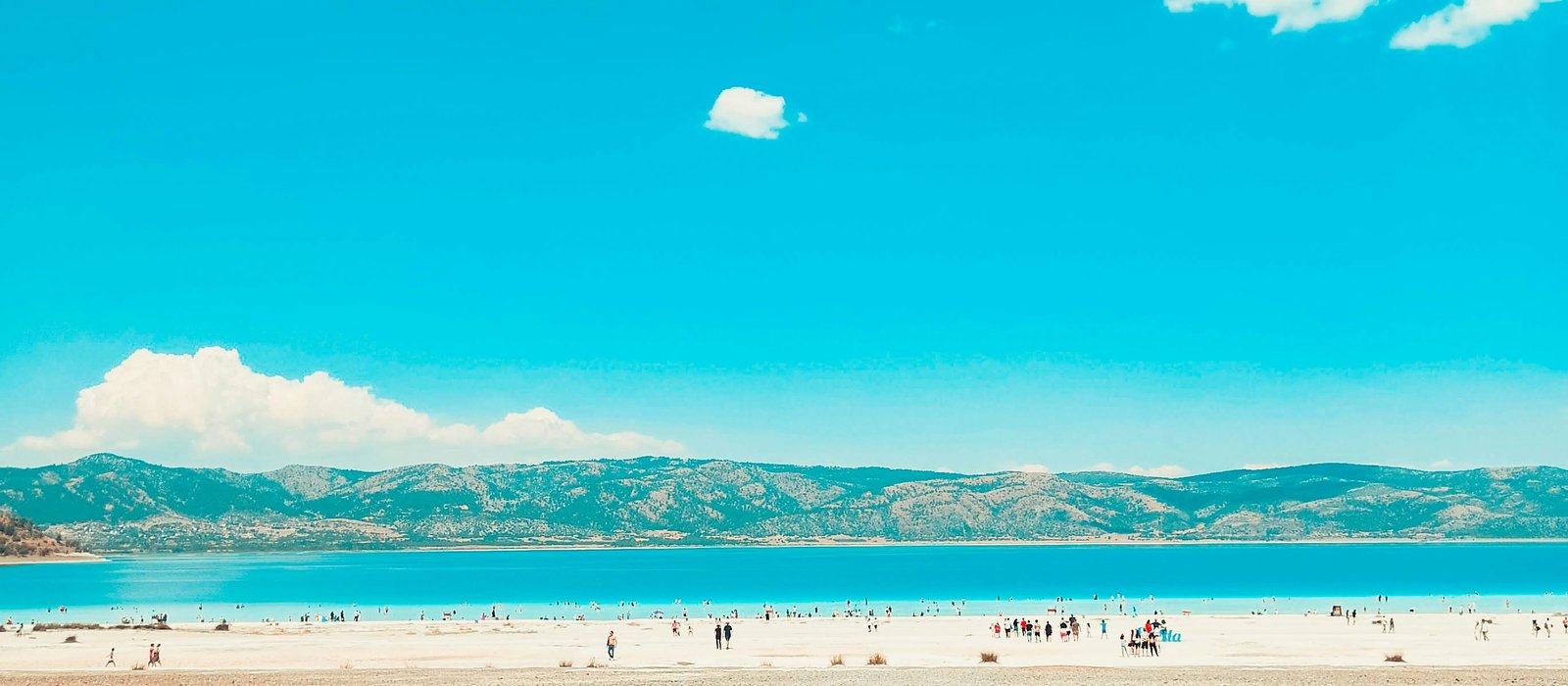
Lake Salda has earned its nickname — "Turkey's Maldives" — for its startling white shores and deep turquoise water, the result of white clay and mineral deposits unlike almost anywhere else on Earth. It's an offbeat detour in southwestern Turkey that pairs naturally with Pamukkale, and a genuinely unusual stop for travelers who've already done the headline sights. Here's what to know.
Why Lake Salda is special
For American travelers used to the crowds at famous lakes back home, part of Salda’s appeal is how genuinely off-radar it remains internationally — you’re far more likely to share the shore with Turkish families on a weekend outing than with other foreign tourists. That, plus the surreal white-and-turquoise palette, makes it feel like a discovery rather than a checklist stop.
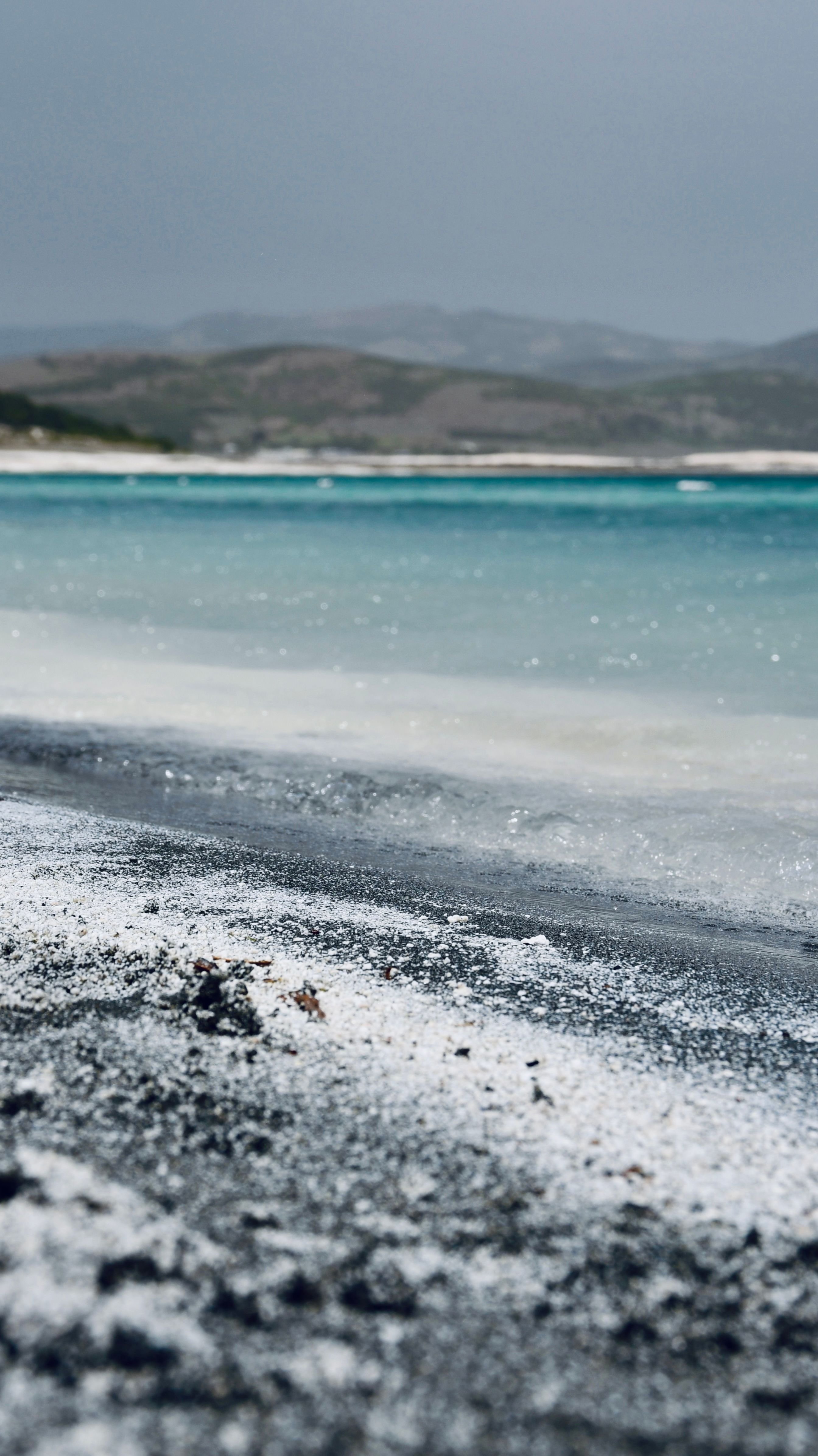
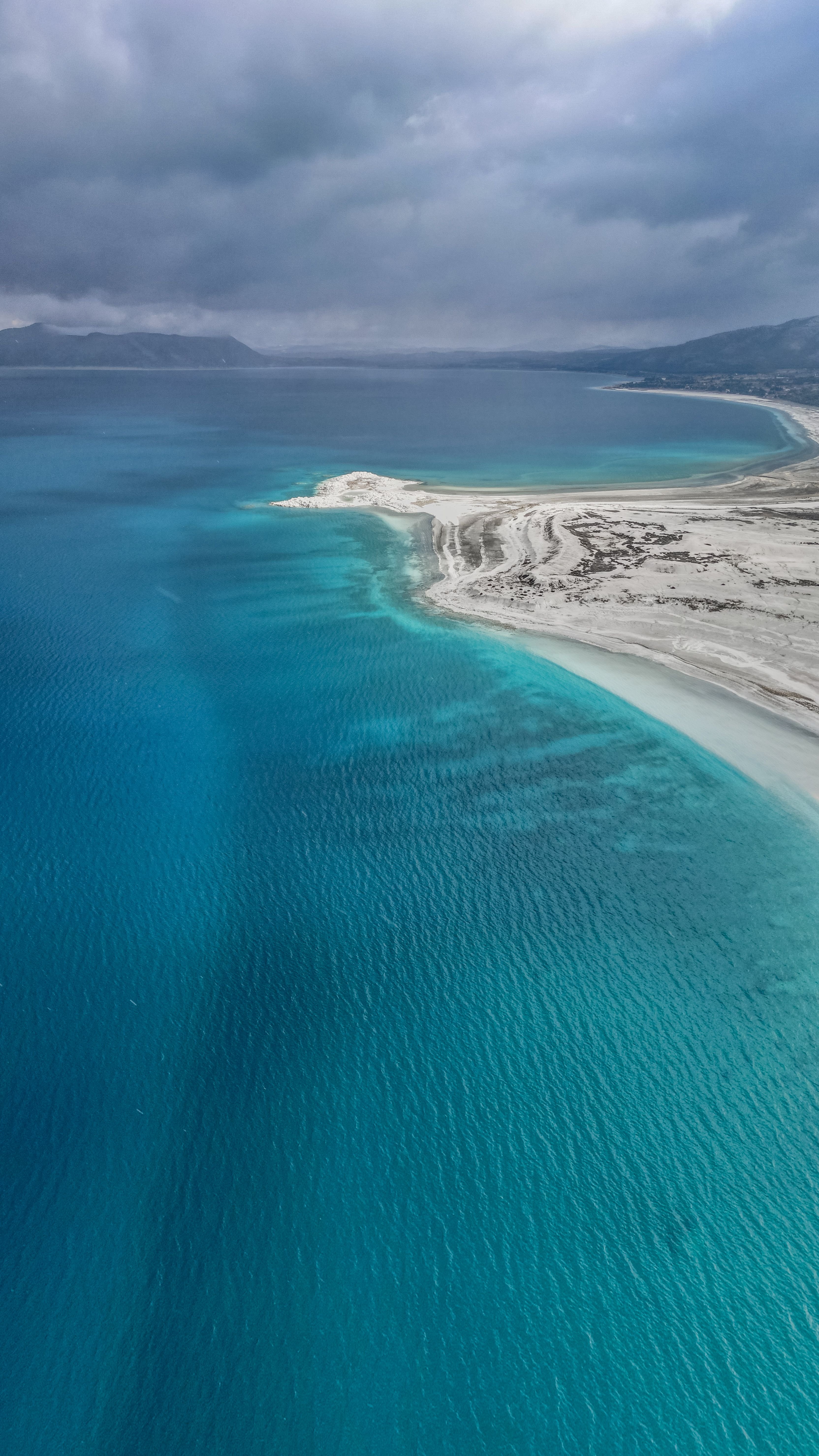
Salda is a deep crater lake ringed in places by brilliant white beaches of hydromagnesite clay. The minerals give the water its vivid turquoise-to-deep-blue gradient and the shore its Caribbean-white look — hence the Maldives comparison. The lake has drawn scientific attention too: its mineral chemistry is considered one of the closest earthly analogs to a crater on Mars that a NASA rover explored, which has only added to its fame. For visitors, the draw is simpler: it's one of the most photogenic and unusual natural spots in the country.
What to do there
The main activities are swimming, wading, and soaking up the scenery. The white clay along parts of the shore is sometimes used by visitors as a natural skin mud, though much of the most fragile white shoreline now falls within a protected nature park, with designated public beach areas to limit damage — follow the signs and stick to permitted zones. Bring water shoes (the lakebed can be rocky), sun protection (shade is limited), and everything you need for the day, as facilities are basic. It's a relaxed half-day rather than a packed itinerary.
Protecting a fragile place
It's worth understanding why access has tightened. Lake Salda's white shoreline went viral on social media, and the surge of visitors began damaging the very mineral beaches that made it famous — people were carting away the white clay and trampling sensitive areas. In response, authorities designated much of the lake a protected nature park and concentrated visitors into managed public beach zones with boardwalks and facilities. For travelers this means a slightly more structured visit than the wild swimming spot of a few years ago, but it's the reason the lake still looks the way it does. Treat it gently: stay on marked paths, take your trash, and don't remove clay or stones.