Istanbul rewards travelers who mix the headline monuments with the everyday city — the ferries, the food, the bath houses, the markets. Here are the experiences worth your time on a first or second visit, grouped so you can build them into your days. For a ready-made route, see our 3 days in Istanbul itinerary.
The essential monuments
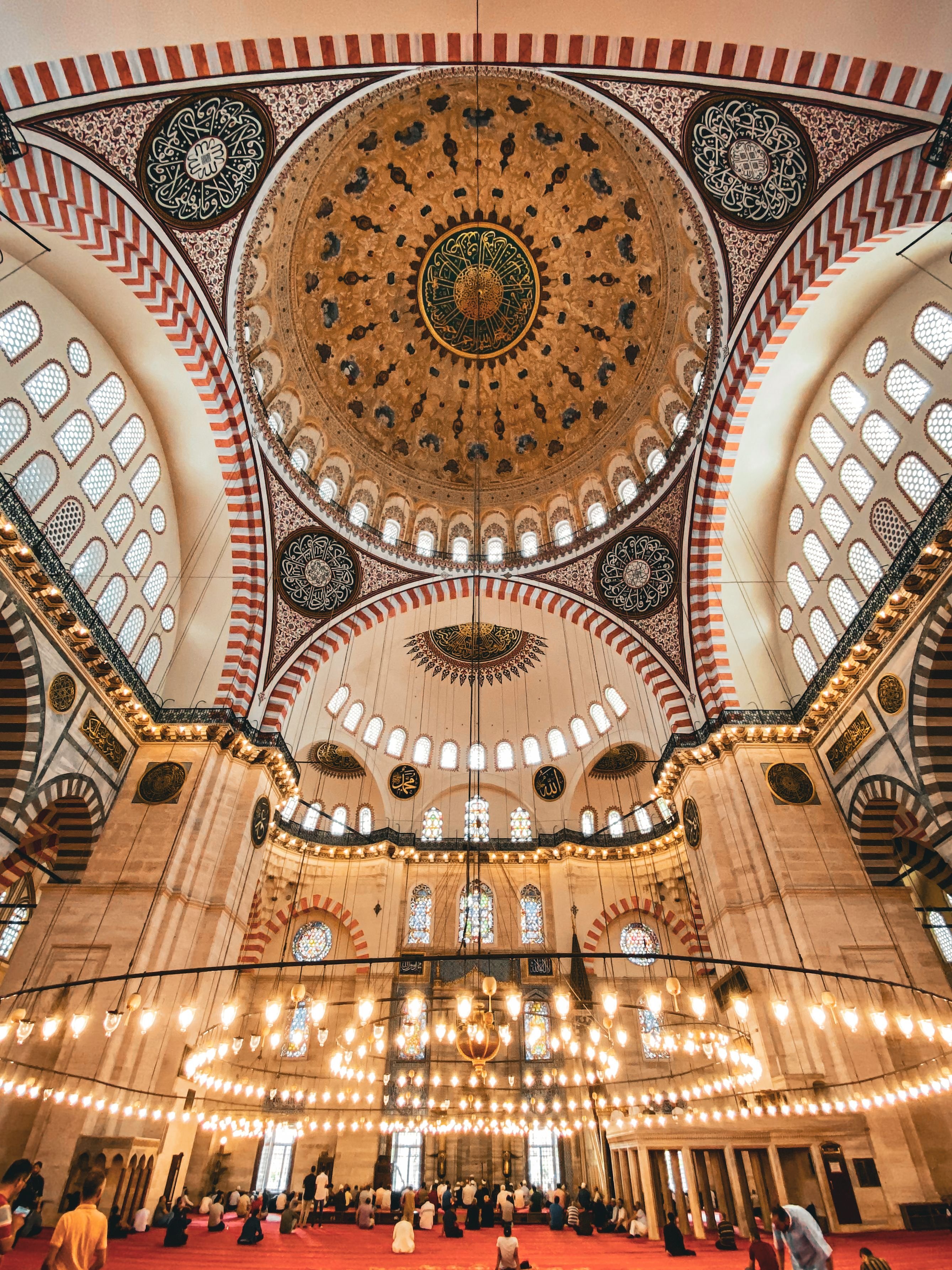
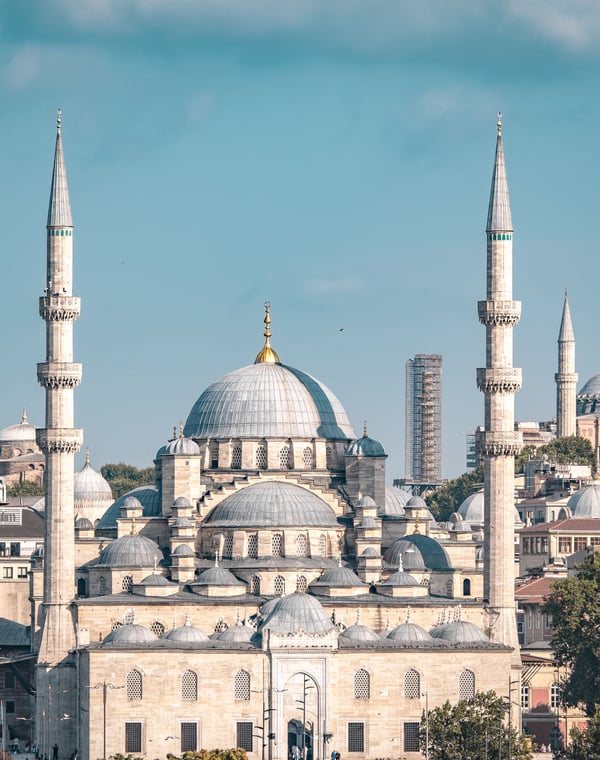
Start where 1,500 years of history concentrate. Hagia Sophia, the Byzantine masterpiece turned mosque, is free to enter (dress modestly; a visitor gallery ticket has been introduced — check on arrival). The Blue Mosque faces it across a garden, its six minarets and cascade of domes unmistakable. Topkapı Palace, the Ottoman seat of power, deserves a couple of hours including the Harem, and the Basilica Cistern hides a forest of columns and carved Medusa heads underground. These four sit within a short walk in Sultanahmet — see them early to beat the crowds.
The Bosphorus
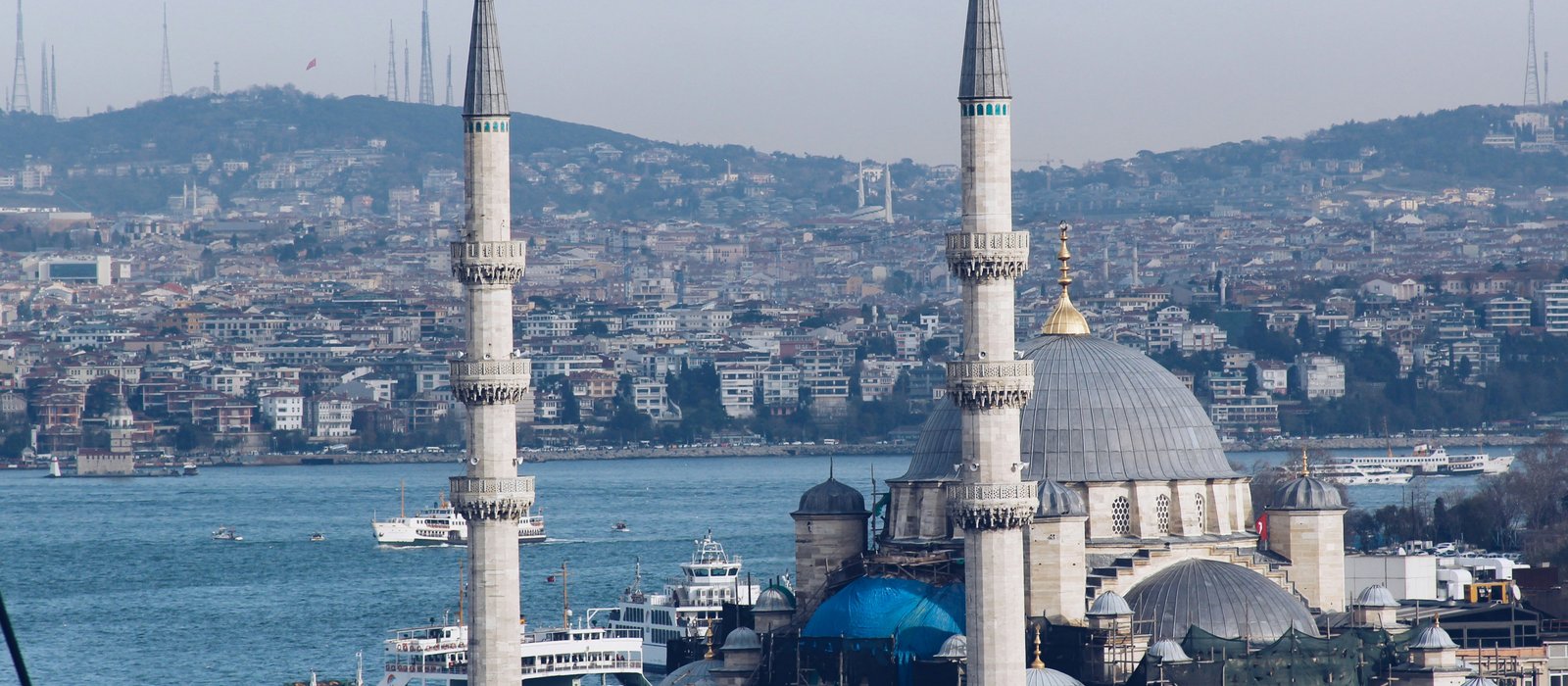
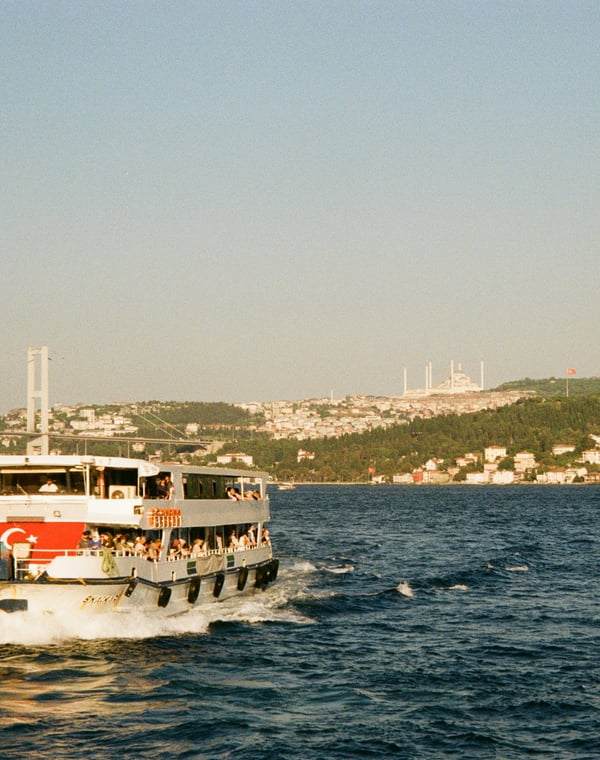
A Bosphorus cruise is the experience that explains the city: a waterway dividing Europe and Asia, lined with Ottoman palaces, wooden waterfront mansions, and fortresses. Cheap public ferries double as sightseeing; longer guided cruises add commentary and stops. Even a short hop between continents — tea in hand on the open deck — is one of Istanbul's great simple pleasures.
The bazaars and a Turkish bath
The Grand Bazaar — 4,000 shops under one roof — is a landmark as much as a market; the nearby Spice Bazaar near Eminönü is smaller, fragrant, and easy to fold into a walk down to the water. Bargaining is expected in the bazaars (though not in regular shops and restaurants). For a deeper dive, see our guide to the Grand Bazaar and Spice Bazaar. To slow down, book a traditional hammam (Turkish bath) — a scrub-and-steam ritual in a centuries-old marble building that's one of the city's signature experiences.
Climb for the view
The Süleymaniye Mosque, architect Sinan's masterwork, has a terrace with one of the best free panoramas in Istanbul and far fewer crowds than the Sultanahmet stars. The Galata Tower across the Golden Horn offers a 360-degree view over the rooftops of Beyoğlu — go near sunset.
Eat your way across the city
Food is half the reason to come. Grab a balık ekmek (grilled fish sandwich) by the Galata Bridge, settle into a meyhane in Beyoğlu for an evening of meze and rakı, and cross to Kadıköy on the Asian side for its market streets and renowned regional cooking. Don't leave without a proper Turkish breakfast at least once.
When to do what
A little timing strategy goes a long way in Istanbul. Tackle the Sultanahmet monuments early in the morning, before the tour groups and cruise-ship day-trippers arrive — by mid-morning the lines at Hagia Sophia and Topkapı can swallow an hour. Save the bazaars for late morning or afternoon, when wandering crowded lanes feels festive rather than frustrating, and aim the Bosphorus cruise or a tower climb at the golden hour before sunset. Keep one eye on the five daily prayer times, which briefly close the working mosques to visitors, and remember that the Grand Bazaar is closed on Sundays.
How long do you need?
Two days covers the essential monuments plus a cruise; three lets you add the bazaars, a hammam, and the modern city without rushing; four or more opens up day trips and the Asian side at a relaxed pace. Most first-timers find three full days the sweet spot — our 3-day itinerary sequences it all so you're never doubling back across town.
Get off the tourist trail
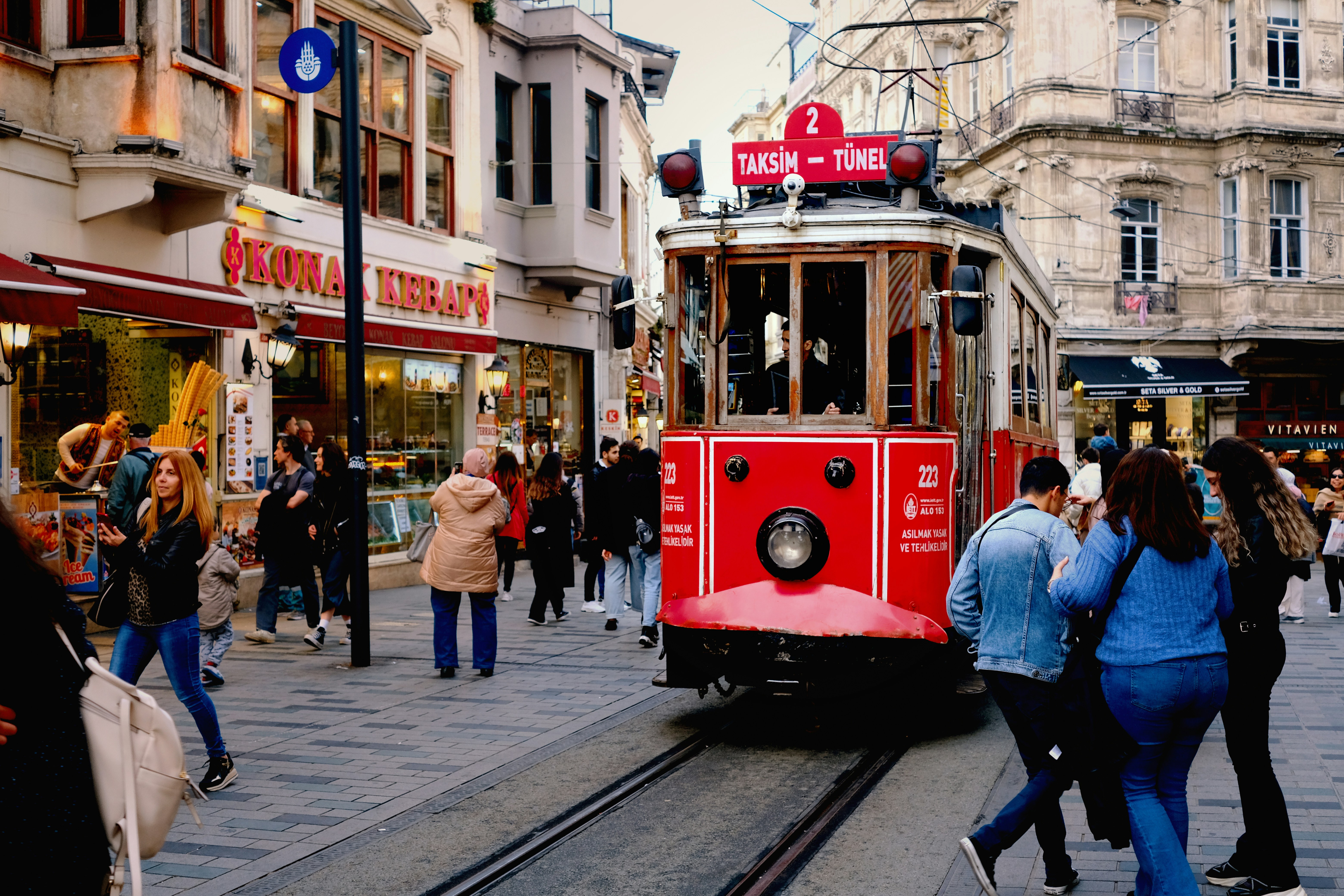
Ride the ferry to the car-free Princes' Islands for a half-day escape of pine woods and old wooden mansions, or wander the modern, local side of the city around İstiklal Street and Karaköy. These are where Istanbul stops performing for visitors and simply gets on with being itself.
Explore the neighborhoods
Istanbul's character lives in its districts as much as its monuments. Sultanahmet is the open-air museum of the old city. Beyoğlu, across the Golden Horn, is the modern heart — İstiklal Street, the Galata Tower, rooftop bars, and design hotels. Waterfront Karaköy has become a dining and gallery hotspot, while Beşiktaş and chic Nişantaşı show the city's upscale, residential side. Cross to Kadıköy on the Asian shore for the most local energy of all. Even an aimless afternoon walk through one of these is time well spent.
Practical tips
Get an Istanbulkart on arrival — it covers trams, metro, ferries, and buses, and the ferries double as cheap sightseeing. The historic core is walkable, but the city is large and hilly, so lean on the T1 tram and the ferries to cross town rather than fighting traffic in taxis. Carry some cash for markets and small cafes even though cards are widely accepted, and keep a scarf handy for mosque visits. Thanks to the weak lira, Istanbul is excellent value for Americans right now — just check the current exchange rate rather than memorizing one, since it moves.
FAQ
What are the must-do things in Istanbul?
Hagia Sophia, the Blue Mosque, Topkapı Palace, and the Basilica Cistern in Sultanahmet; a Bosphorus cruise; the Grand and Spice Bazaars; and a traditional hammam.
Is a Bosphorus cruise worth it?
Yes — it's the best way to understand a city split between two continents. Public ferries are cheap; longer guided cruises add commentary and stops.
Do I need to pay to enter the mosques?
The Blue Mosque is free, and Hagia Sophia is free to enter as a mosque, though a separate visitor gallery ticket has been introduced. Dress modestly and remove shoes.
Should I bargain in the Grand Bazaar?
Yes, bargaining is expected in the bazaars. It is not customary in regular shops or restaurants.
Keep planning
Not sure how it all fits together?
Pick your trip length and we'll point you to the right day-by-day itinerary.