Drinks are woven through Turkish daily life and hospitality — the endless glasses of tea, the ceremony of thick Turkish coffee, the anise-scented rakı that anchors a long dinner. For American travelers, knowing the drinks culture is part of understanding the country. Here's a guide to what to drink in Turkey and the customs around it.
Çay (Turkish tea)
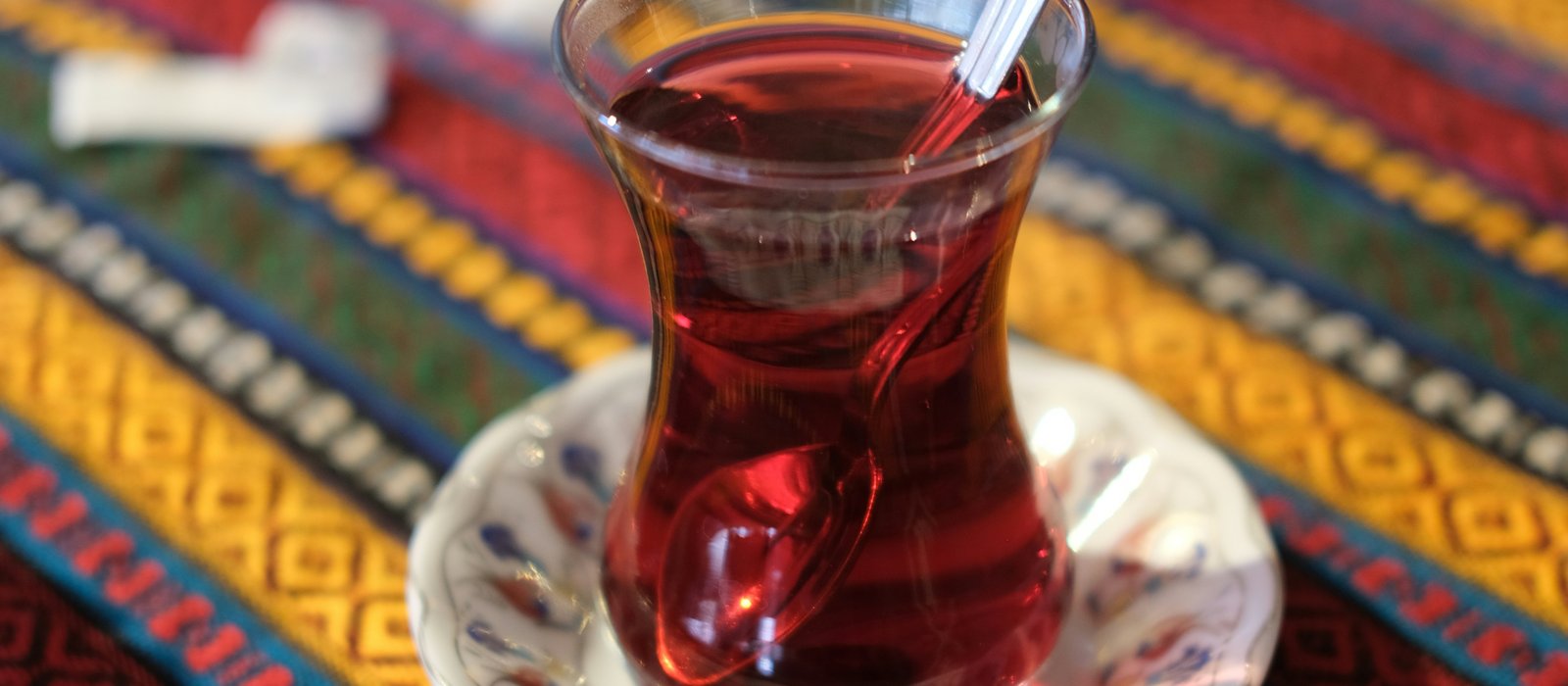
Tea is the national drink, full stop. Served black in small tulip-shaped glasses, usually with sugar cubes and no milk, çay is offered constantly — in shops, after meals, during any social interaction. It's brewed strong in a stacked double teapot (çaydanlık) and diluted to taste. Accepting tea is a gesture of hospitality, not an obligation to buy anything, and refusing too readily can seem cold. You'll drink more tea in Turkey than you ever expected — lean into it.
Türk kahvesi (Turkish coffee)
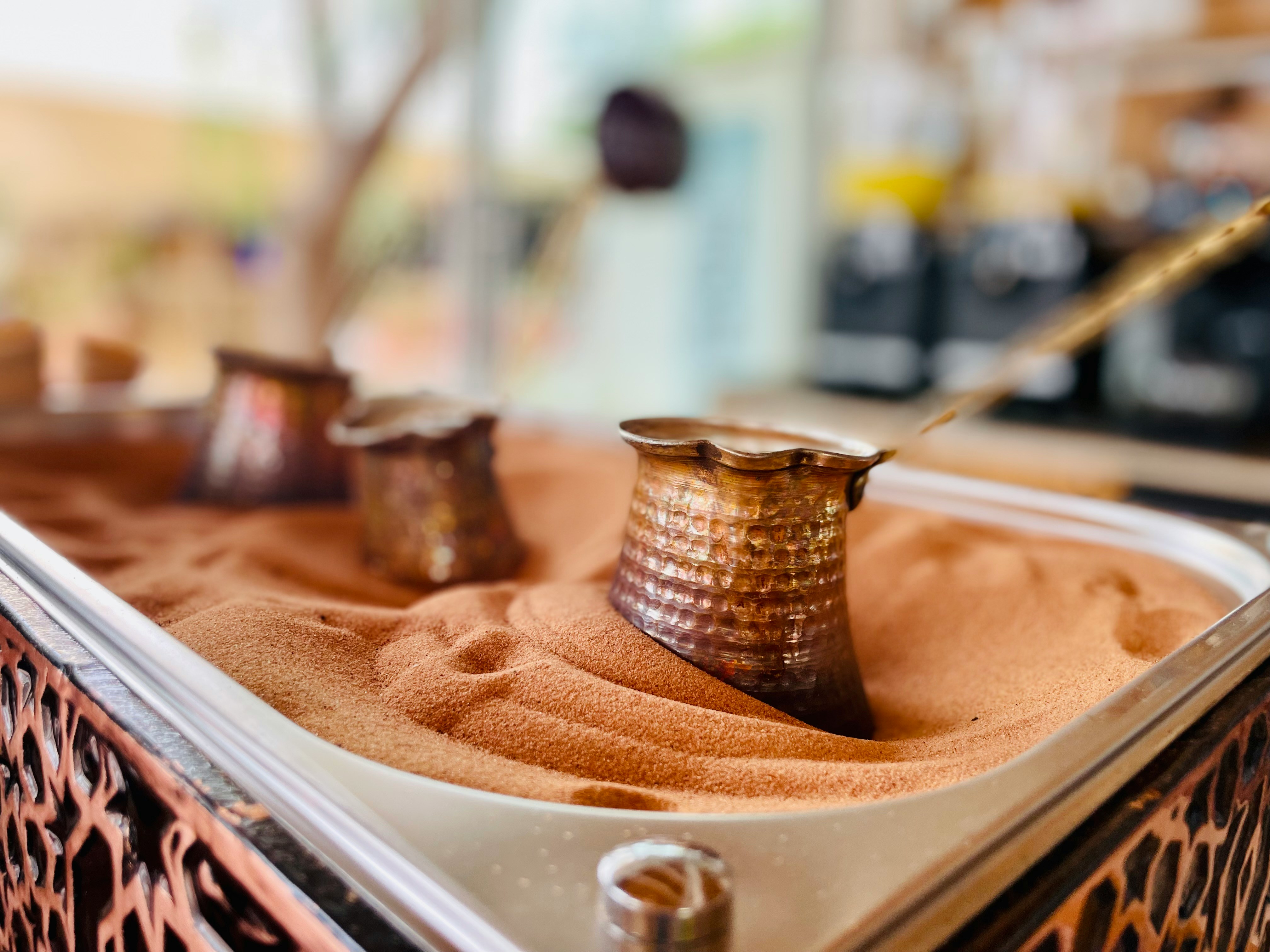
Turkish coffee is an experience, not just a caffeine hit. Finely ground coffee is simmered with water (and sugar, if you want it) in a small pot called a cezve and served unfiltered in a tiny cup, with the grounds settling at the bottom — don't drink the last sludgy sip. It's traditionally served with a piece of Turkish delight and a glass of water. Order it by sweetness: sade (none), az şekerli (a little), or şekerli (sweet). It's a UNESCO-recognized cultural tradition, and the leftover grounds are even used for playful fortune-telling.
Rakı (the national spirit)
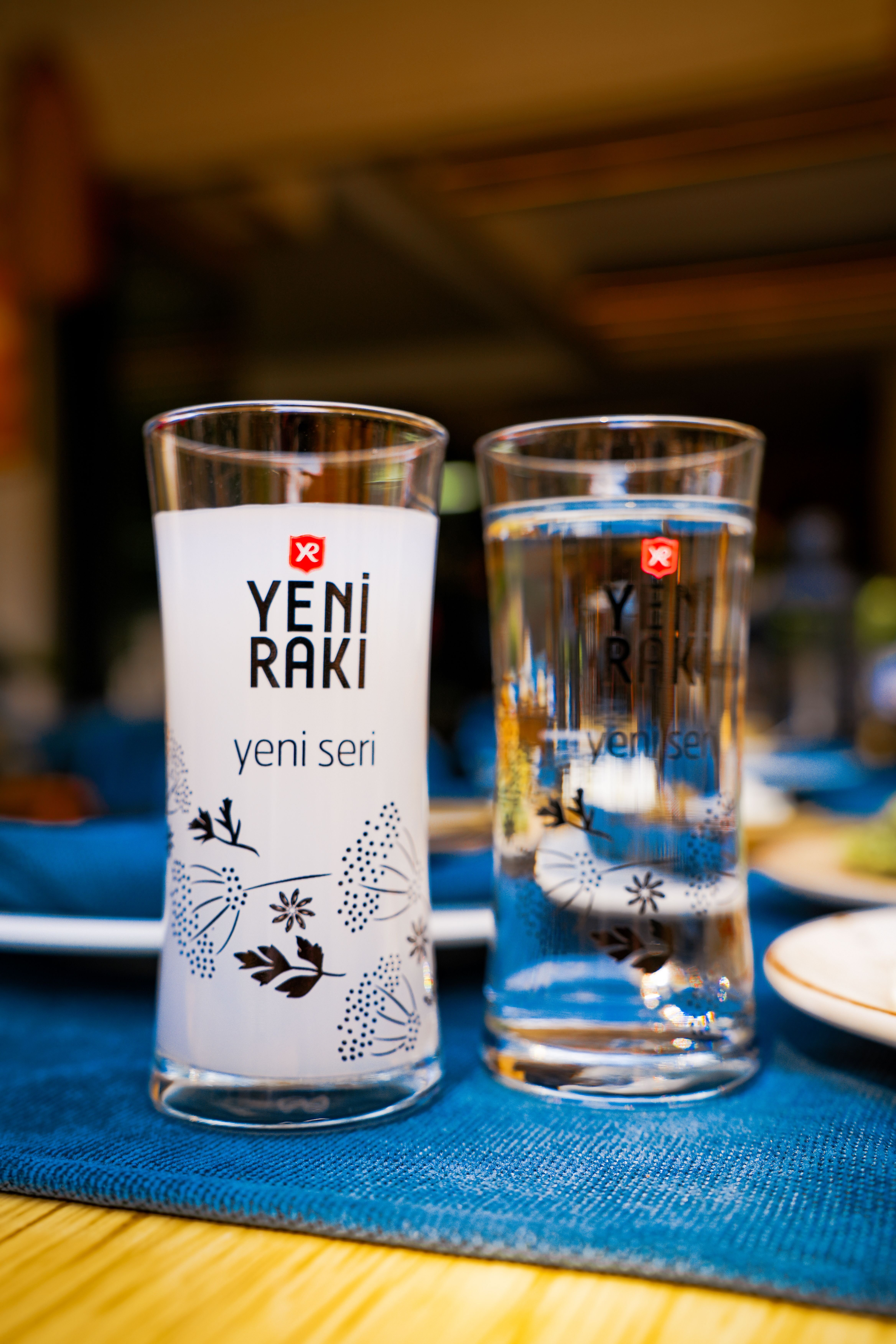
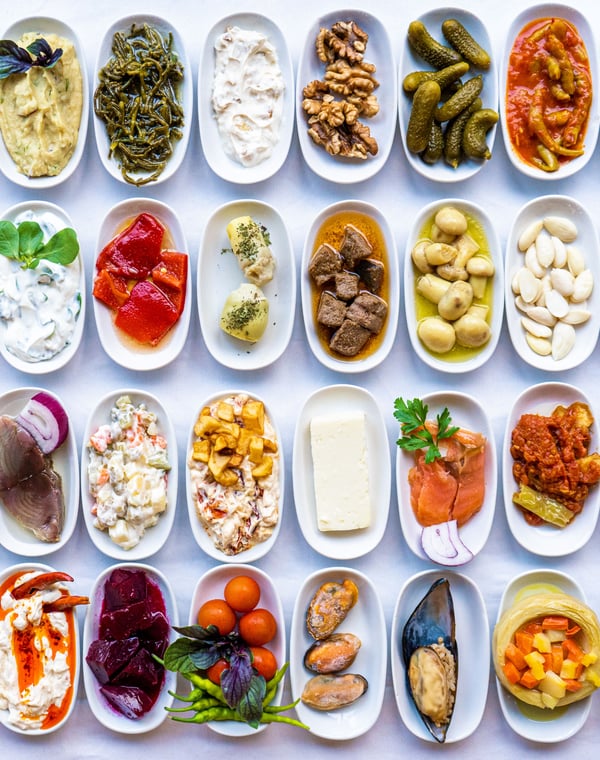
Rakı is Turkey's beloved anise-flavored spirit, similar to Greek ouzo — clear, strong, and turning milky-white when water is added (earning it the nickname "lion's milk"). It's not a shot but a sipping drink, traditionally enjoyed slowly over a long meyhane dinner alongside meze and especially fish, diluted with water and ice. The rakı table is a social institution — unhurried, convivial, meant to last the evening. Trying rakı with a meze spread is one of the quintessential Turkish experiences.
Other drinks to know
Ayran — a salty, frothy yogurt drink, the classic non-alcoholic pairing with kebabs.
Şalgam — a tangy fermented purple-carrot juice, often served with rakı.
Turkish wine — a growing industry; Cappadocia and the Aegean produce some good bottles worth trying.
Beer (Efes) — the ubiquitous local lager.
Fresh juices and pomegranate juice — sold from street juicers everywhere.
Sahlep — a warm, creamy orchid-root winter drink dusted with cinnamon.
The tea and coffee houses
Drinking in Turkey is as much about the setting as the drink. The traditional çay bahçesi (tea garden) and the kahvehane (coffee house) are social institutions — places where locals gather to sip, chat, play backgammon (tavla), and watch the world go by, often for hours over a single glass. Sitting in a tea garden with a view, nursing endless small glasses of çay, is one of the most authentic and affordable pleasures in the country. These spaces have historically been central to community life, and as a visitor you're welcome to pull up a chair, order a tea, and soak in the unhurried rhythm. It's people-watching, Turkish style, and it costs almost nothing.
Drinking and alcohol in Turkey
A practical note for travelers: Turkey is a secular country and alcohol is legal and available, but attitudes vary by region. In Istanbul, the coast, and tourist areas, bars and alcohol are easy to find; in conservative areas (much of the interior and east, and around religious sites), alcohol is far less visible and sometimes hard to find. Alcohol is also relatively expensive by local standards due to high taxes, so it's one of the few things in Turkey that won't feel cheap to Americans. Drink respectfully — public drunkenness is frowned upon — and you'll have no issues. For the food that goes with all this, see our Turkish food guide.
What to drink when
A rough rhythm helps. Mornings start with tea or Turkish coffee alongside breakfast. Throughout the day, tea punctuates everything — shopping, sightseeing breaks, any pause. With kebabs and casual lunches, the classic pairing is salty ayran. Dinner, especially a meyhane meal, is the time for rakı sipped slowly with meze, or a Turkish wine. And after dinner, another small Turkish coffee. In winter, warm sahlep appears on cold evenings; in summer, fresh juices and cold ayran cool you down. You don't have to follow any of this, but matching the drink to the moment is part of eating and drinking the Turkish way — and locals will happily guide you.
FAQ
What is the national drink of Turkey?
Tea (çay) is the everyday national drink, served black in tulip-shaped glasses. Rakı, the anise spirit, is the traditional alcoholic drink of a long dinner.
What is rakı?
An anise-flavored spirit similar to ouzo, sipped slowly with water and ice over a meze-and-fish dinner. It turns milky-white when water is added.
Can you drink alcohol in Turkey?
Yes — Turkey is secular and alcohol is legal and available, easily found in Istanbul, the coast, and tourist areas, though less visible in conservative regions and relatively pricey due to taxes.
How do you order Turkish coffee?
By sweetness: sade (none), az şekerli (a little), or şekerli (sweet). It's served unfiltered — don't drink the grounds at the bottom.
Keep planning
Not sure how it all fits together?
Pick your trip length and we'll point you to the right day-by-day itinerary.