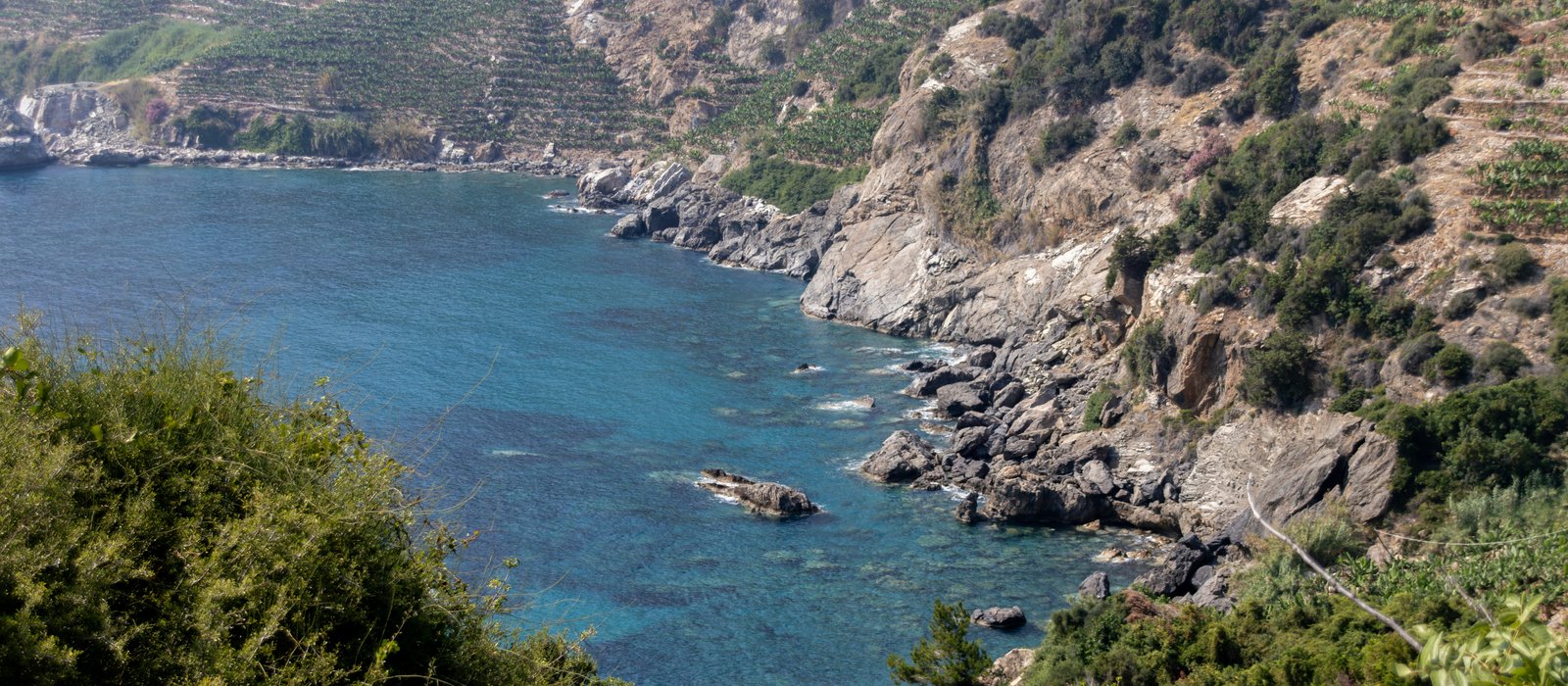
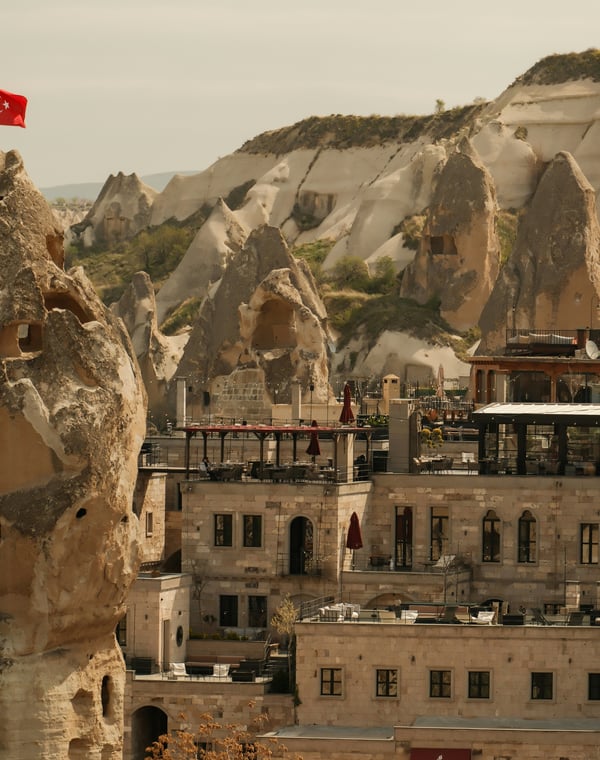
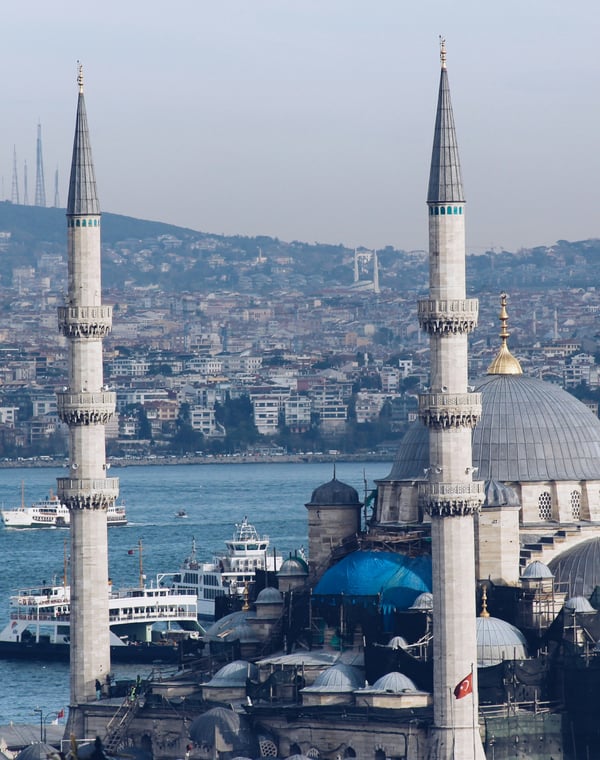
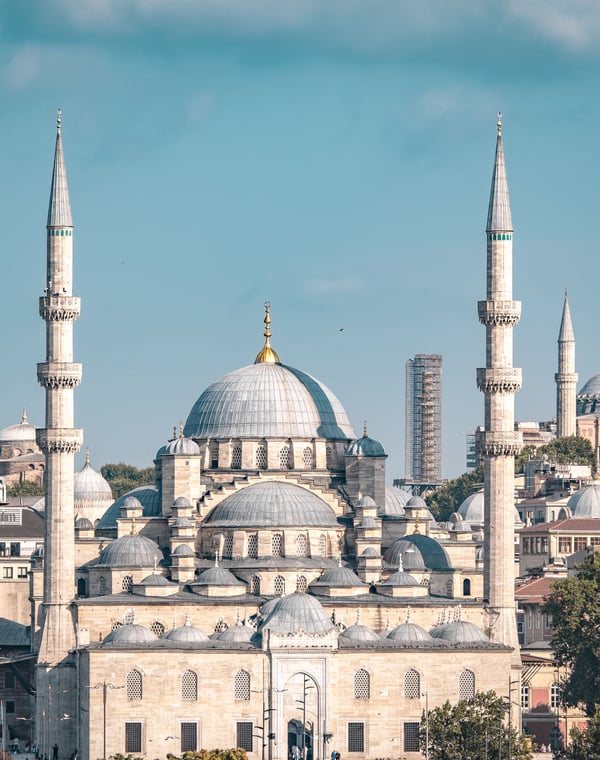
Turkey's Mediterranean coast — known as the Turquoise Coast for its impossibly blue water — is where ancient ruins meet pine-clad mountains and beach towns string along a dramatic shoreline. It's Turkey at its most relaxed, and a perfect counterweight to the intensity of Istanbul and Cappadocia. Here's what a first-timer needs to know.
Why Americans love it
For travelers coming from the US, the Turquoise Coast hits a sweet spot that is hard to find at home: Caribbean-clear water and Mediterranean beaches, genuine ancient ruins you can have nearly to yourself, and prices — thanks to the weak lira — that make a comfortable trip remarkably affordable. It is the part of Turkey that feels most like a true vacation rather than a sightseeing marathon, which is why so many itineraries save it for last.
Where the coast goes
The Turquoise Coast runs roughly from Antalya in the east to Fethiye and beyond in the west. Antalya is the main city and eastern gateway, with the atmospheric Kaleiçi old town and a Roman harbor; the resort belt of Belek, Side, and Kemer stretches nearby. Heading west you reach laid-back Kaş and Kalkan, then the beaches and adventure hub of Fethiye and Ölüdeniz. Our where to stay guide breaks down which base suits which trip.
The best things to do
The coast blends beach time with genuine history and outdoor adventure:
Kaleiçi (Antalya Old Town) — wander the cobbled lanes and restored Roman harbor.
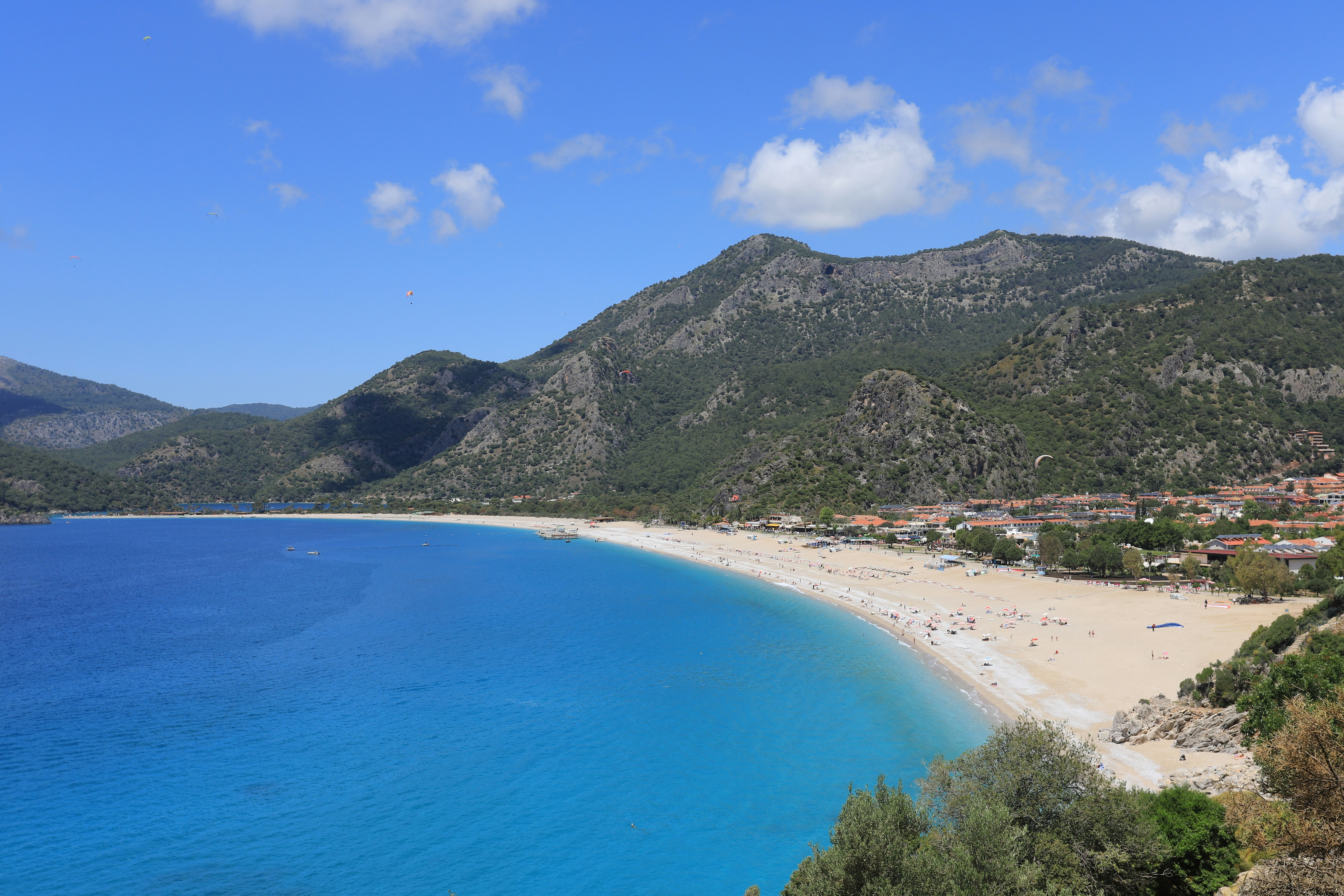
Ölüdeniz Blue Lagoon — the iconic beach, with tandem paragliding off Babadağ mountain.
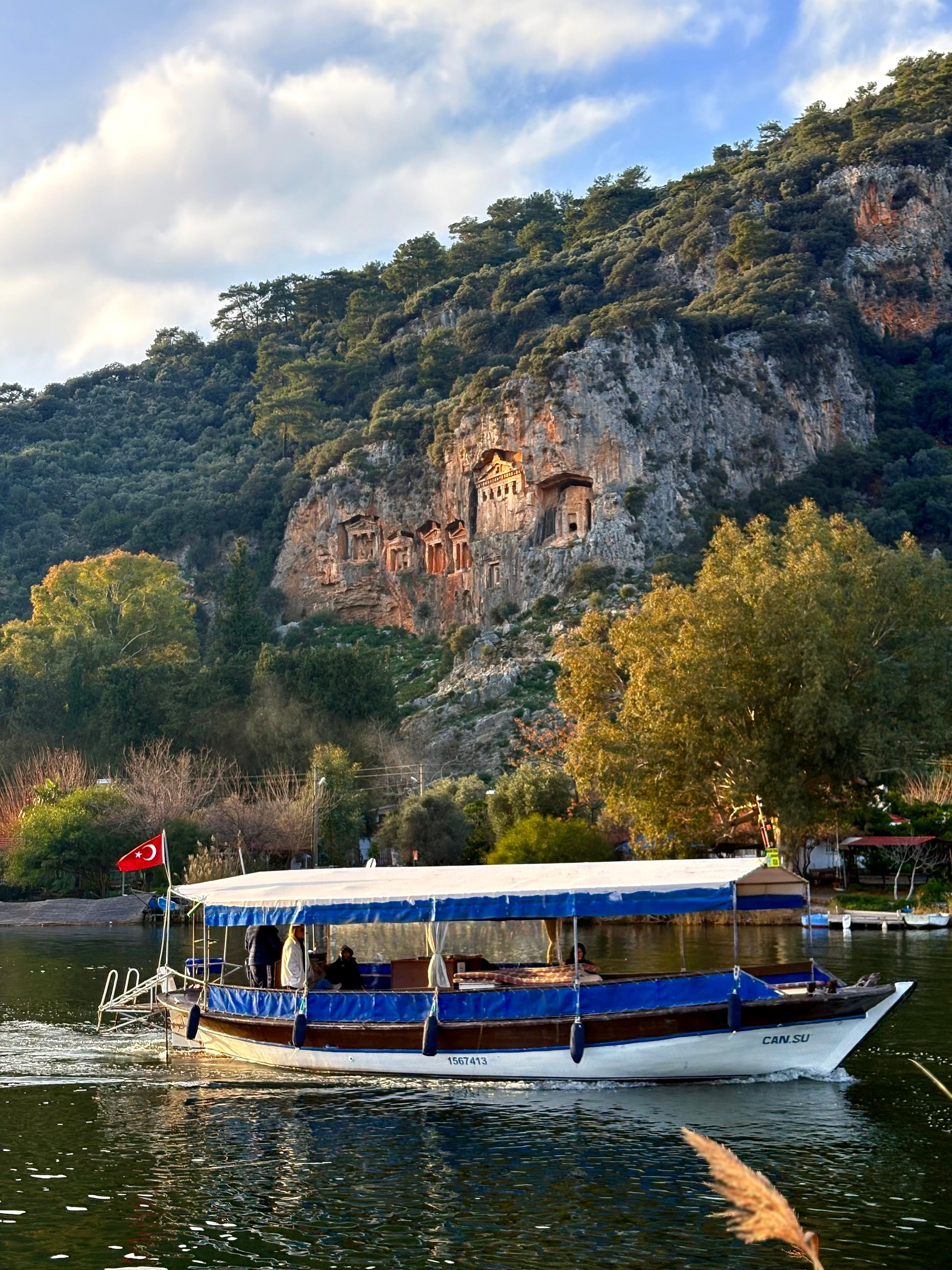
Lycian ruins — ancient sites like Myra, Patara, and Olympos dot the coast, often paired with a beach.
Düden Waterfalls — falls that plunge dramatically into the sea near Antalya.
Fly from Istanbul to Antalya (AYT), about 1h15, for the eastern coast, or to Dalaman (DLM) for the western towns around Fethiye, Ölüdeniz, Kaş, and Kalkan. A coastal road connects the resort towns, and renting a car is the best way to explore the Lycian coast at your own pace — intercity buses and shared dolmuş minibuses also link the towns. Antalya has a tram in its center.
Outdoor adventure on the coast
Beyond the beaches, the Turquoise Coast is one of Turkey's best outdoor playgrounds. The Lycian Way, a long-distance hiking trail, traces the coastline past ruins and coves — you can walk a single scenic stretch without committing to the whole route. Sea kayaking over the sunken ruins at Kekova near Kaş is a highlight, as is scuba diving in the clear water. Thrill-seekers come for the tandem paragliding off Babadağ above Ölüdeniz, regularly rated among the world's best flights. And the multi-day Blue Cruise on a wooden gulet is the classic way to reach beaches accessible only by boat.
What to eat
Coastal dining means fresh fish and Mediterranean flavors. Seek out seafood meyhanes along the harbors for grilled catch and cold meze, and look for regional specialties as you go — Antalya's piyaz (a tahini-dressed white-bean salad) is a local standout. Long, lazy lunches by the water are part of the coast's relaxed rhythm.
When to go
The coast has a long season. Spring (April–May) and fall (September–October) are ideal for combining beach time with sightseeing and hiking — warm seas, comfortable temperatures, fewer crowds. Summer (June–August) is peak beach season: hot, busy, and perfect if sand and sea are the goal, less so for long days among the ruins. Winters are mild but quieter, with many resorts winding down.
Who the Turquoise Coast is for
The coast suits a wide range of travelers, which is part of its appeal. Beach-and-resort vacationers gravitate to the all-inclusive belt around Antalya for value and ease. Independent and active travelers favor the western towns — Kaş, Kalkan, Fethiye — for diving, hiking, paragliding, and gulet cruises. History lovers can thread ancient Lycian and Roman ruins between swims. And anyone burned out on the intensity of Istanbul will find the coast's slow, sun-soaked pace a relief. The one group that should look elsewhere: travelers chasing big-city culture and nightlife, which the coast offers only in a low-key, seasonal form.
How it fits a Turkey trip
The Turquoise Coast pairs naturally with the Aegean and the classic Istanbul–Cappadocia core for a longer trip — see our 10-day Turkey itinerary. Even three or four days here makes a relaxing finale after the cities.
FAQ
What is the Turquoise Coast in Turkey?
It's the Mediterranean coastline from roughly Antalya west to Fethiye, named for its blue water and known for beaches, ancient Lycian ruins, and gulet cruises.
How many days do I need on the Turquoise Coast?
Three to four days for a relaxing taste; a week or more if you want to combine beaches, ruins, hiking, and a Blue Cruise.
What's the best way to get around?
Renting a car gives the most freedom along the coastal road. Intercity buses and dolmuş minibuses also connect the towns.
When is the best time to visit?
Spring and fall for a mix of beach and sightseeing; summer for peak beach weather; both shoulder seasons avoid the biggest crowds.
Keep planning
Not sure how it all fits together?
Pick your trip length and we'll point you to the right day-by-day itinerary.