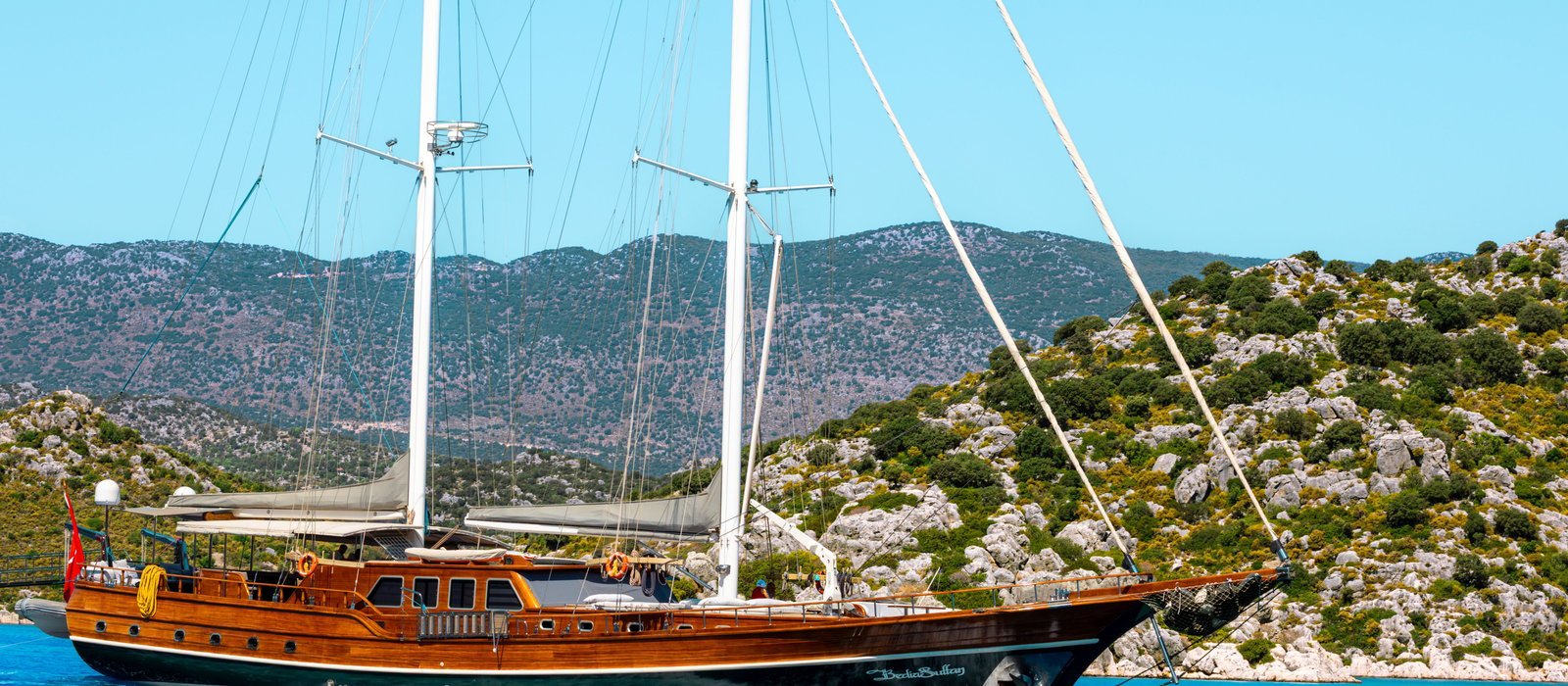
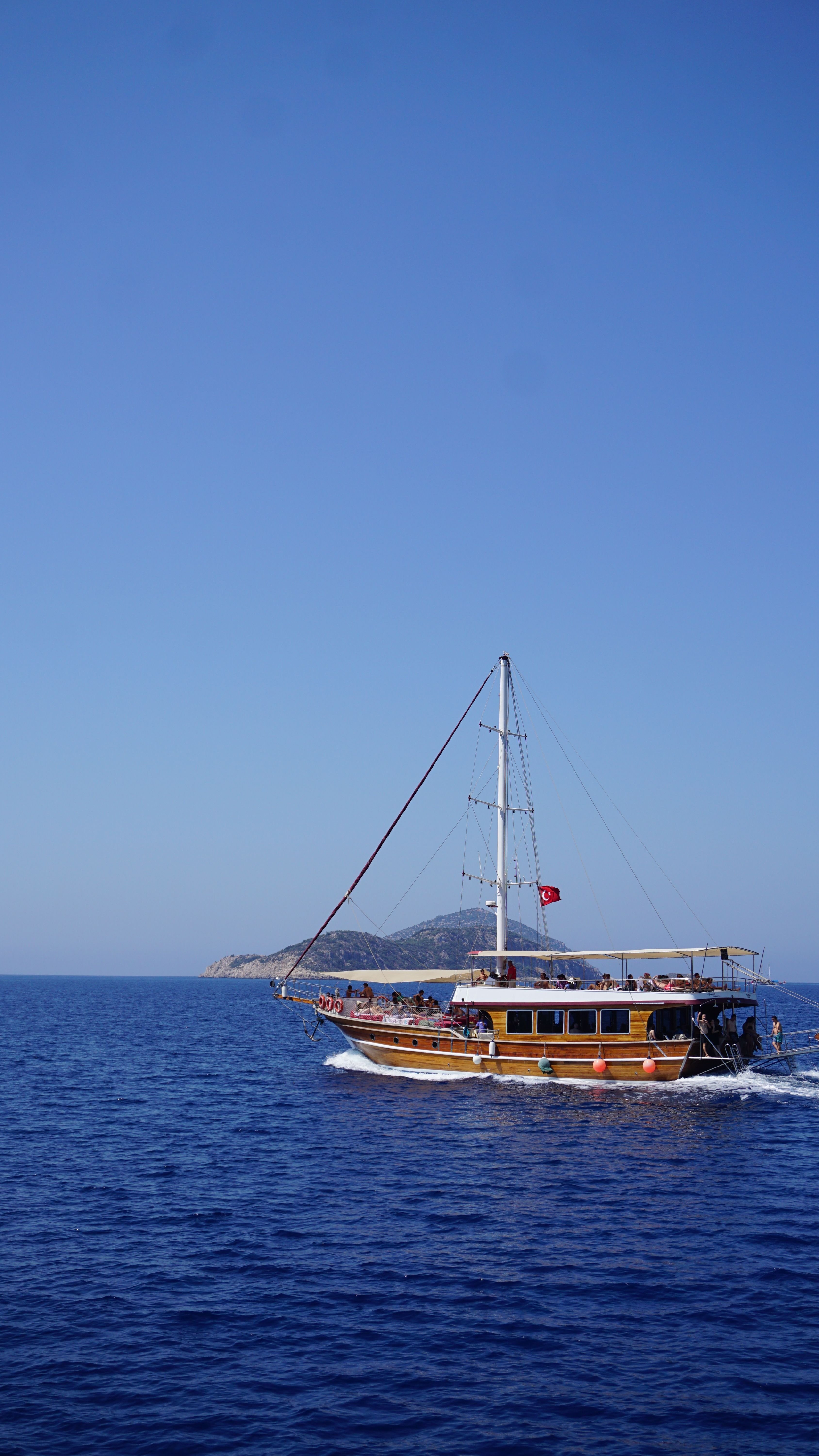
A "Blue Cruise" (Mavi Yolculuk) is one of Turkey's signature experiences: several days aboard a gulet, a traditional wooden sailing yacht, drifting between hidden coves, swimming off the deck, and reaching beaches accessible only by boat. It's the most relaxing way to see the Turquoise Coast, and for many American travelers it's the highlight of the whole trip. Here's how it works.
What is a gulet cruise?
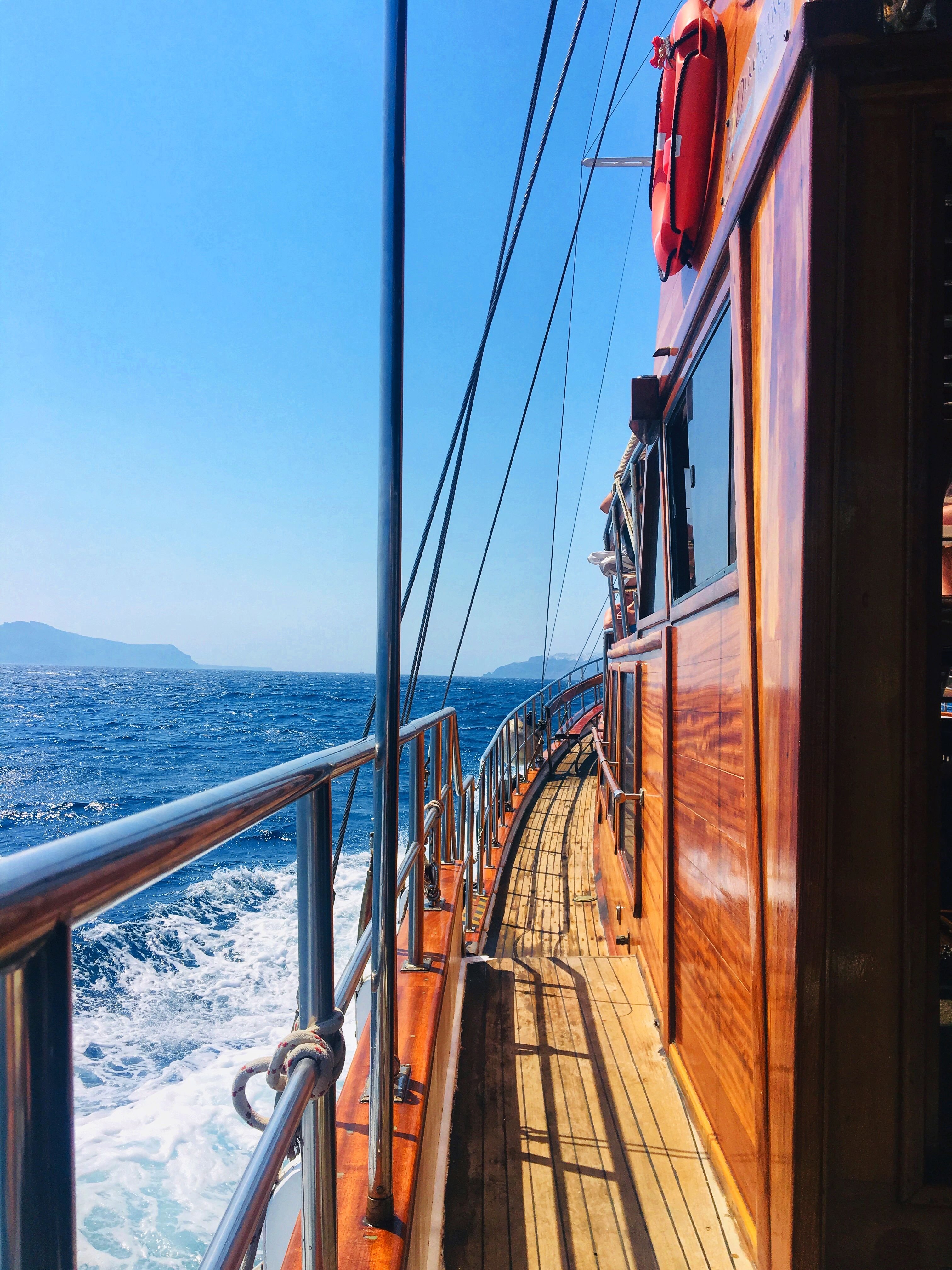
A gulet is a broad-beamed wooden boat with cabins below and big sun-deck and dining areas above, typically carrying 8 to 16 guests with a small crew. Days follow an easy rhythm: sail a few hours to a new bay, anchor, swim and kayak, eat meals cooked onboard, and sleep either in your cabin or under the stars on deck. Most gulets motor more than they sail, so think "floating boutique hotel that moves" rather than hands-on sailing.
The classic routes
Two routes anchor most Blue Cruises along the Turquoise Coast:
Fethiye to Ölüdeniz / Göcek bays — the most popular short cruise, weaving through the dozens of islands and coves around Fethiye and Göcek.
Fethiye to Olympos (or Kekova) — a longer westbound voyage past the Lycian coast, often stopping at the sunken ruins of Kekova and quiet bays below the mountains.
Trips commonly run as 4-day/3-night or week-long itineraries, usually departing from Fethiye — reachable via Dalaman Airport (DLM). See our Fethiye & Ölüdeniz guide for the home port.
Cabin charter vs private charter
There are two ways to book. A cabin charter sells individual cabins on a shared boat — cheaper, sociable, and ideal for solo travelers and couples who don't mind sharing the deck with strangers. A private charter books the whole gulet for your own group, giving you control over the route, pace, and menu — better for families or friends traveling together, and surprisingly affordable when the cost is split. Crewed private gulets are the norm; you don't need any sailing experience.
What it costs
A Blue Cruise spans a wide range depending on season, boat quality, and whether you book a cabin or the whole boat — and prices move with demand and the exchange rate, so check current rates rather than a fixed figure. Cabin charters are the budget entry point; luxury private gulets with ensuite cabins and air-conditioning sit at the top. Meals are typically included; drinks, port fees, and tips are usually extra. Thanks to the weak lira, a gulet week often costs Americans far less than a comparable yacht charter in Greece or Croatia.
What a day aboard looks like
The appeal of a gulet trip is its unhurried rhythm. A typical day starts with breakfast laid out on deck as the boat sits at anchor in a quiet bay. Mid-morning the crew weighs anchor and motors an hour or two to the next cove, where you swim, kayak, paddleboard, or just read in the sun. Lunch is served onboard — usually fresh, simple Turkish fare cooked by the crew — followed by more swimming or a stop at a small village or ruin. Evenings bring dinner under the stars and, often, a night anchored somewhere with no lights but the sky. There's no fixed schedule to keep, no packing and unpacking between hotels, and no crowds — just the coast unspooling slowly past the rail.
Who it suits
A Blue Cruise rewards travelers who want to slow down and disconnect rather than tick off sights. It's ideal as the restful finale of a busy Turkey trip, for couples and friends who like the idea of a floating base, and for families (a private charter gives kids the run of the boat). Travelers who need constant activity, nightlife, or reliable Wi-Fi may find the pace too gentle — though that disconnection is exactly what most guests come for.
When to go and what to know
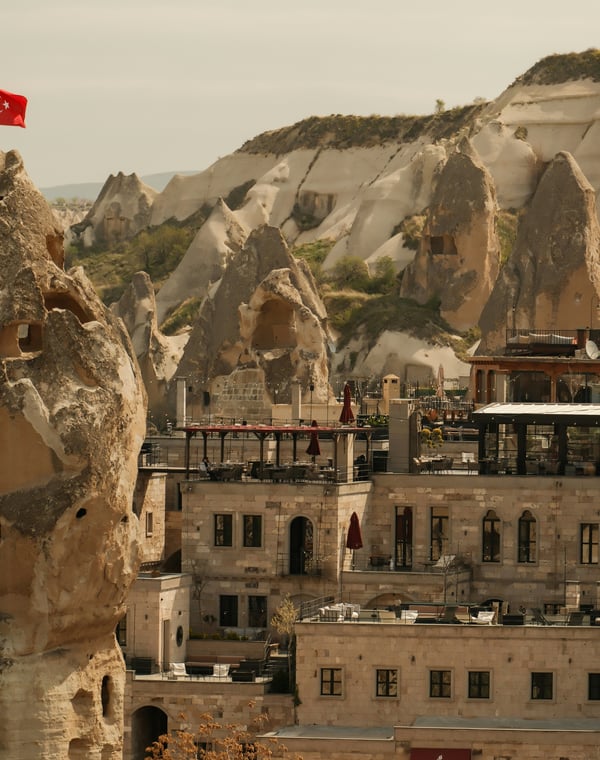
The season runs roughly May to October, with May and September the sweet spots — warm seas, calmer crowds, and comfortable temperatures. The water stays warm right through summer, but July and August are the hottest and most crowded. July and August are hottest and busiest. Pack light and soft-sided (cabins are snug), bring reef-safe sunscreen, motion-sickness remedies if you're prone, and cash for extras. There's little Wi-Fi in the remote bays — part of the appeal. Even three or four days aboard makes a restorative finale after the cities and Cappadocia.
FAQ
What is a Blue Cruise in Turkey?
It's a multi-day trip aboard a gulet — a traditional wooden yacht — sailing between coves and beaches along the Turquoise Coast, with meals and a crew included.
Do I need sailing experience?
No. Gulets are fully crewed; you just relax. Most boats motor between bays rather than actively sail.
What's the difference between a cabin charter and a private charter?
A cabin charter sells individual cabins on a shared boat (cheaper, sociable); a private charter books the whole gulet for your group (more control, great value when split).
When is the best time for a gulet cruise?
May to October, with May and September offering warm water, comfortable weather, and fewer crowds than the July–August peak.
Where do Blue Cruises depart from?
Most commonly Fethiye, reachable via Dalaman Airport (DLM); some routes run from Göcek, Marmaris, or Bodrum.