Turks are famously warm and hospitable, and travelers who show a little cultural awareness are rewarded with even greater kindness. Turkey is a modern, secular country where Western visitors fit in easily, but a handful of customs and courtesies go a long way. Here's a practical guide to Turkish culture and etiquette for American travelers.
Hospitality and the ritual of tea
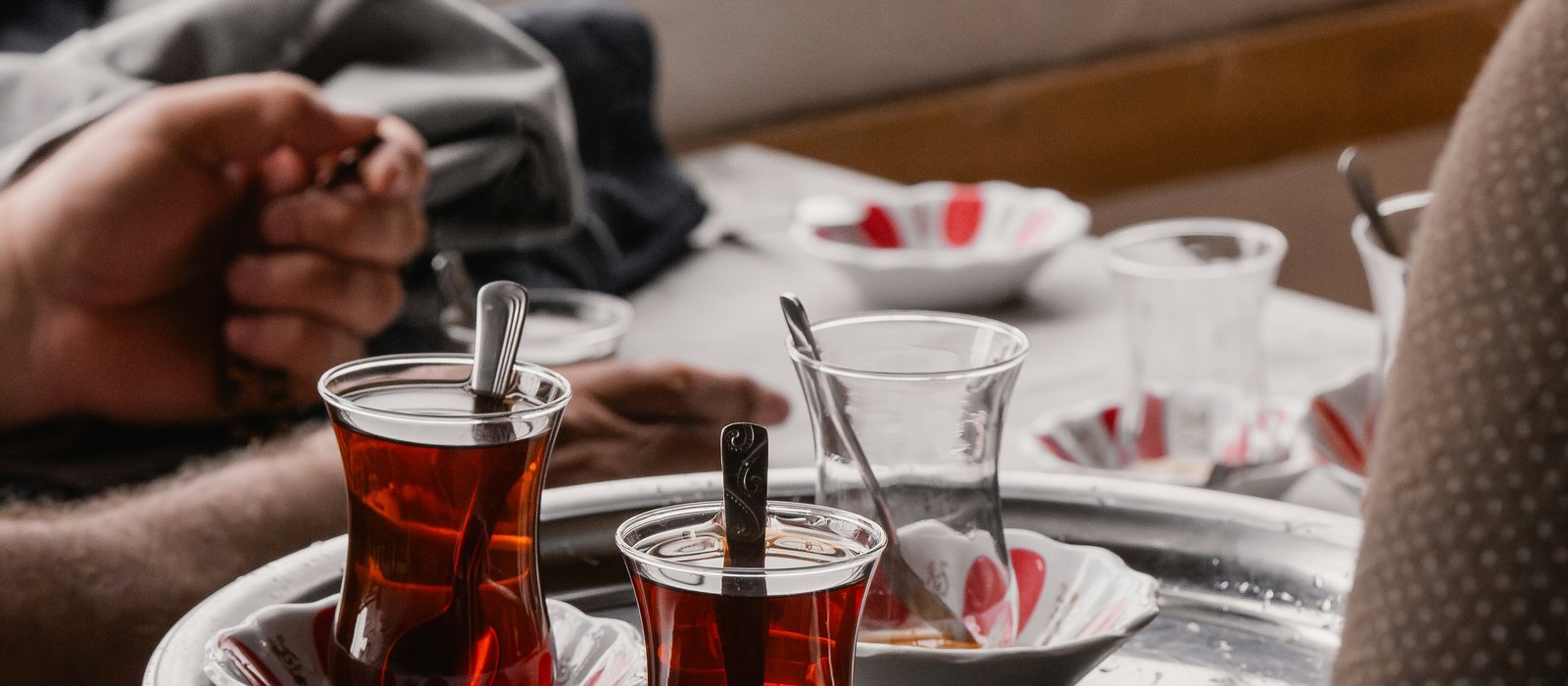
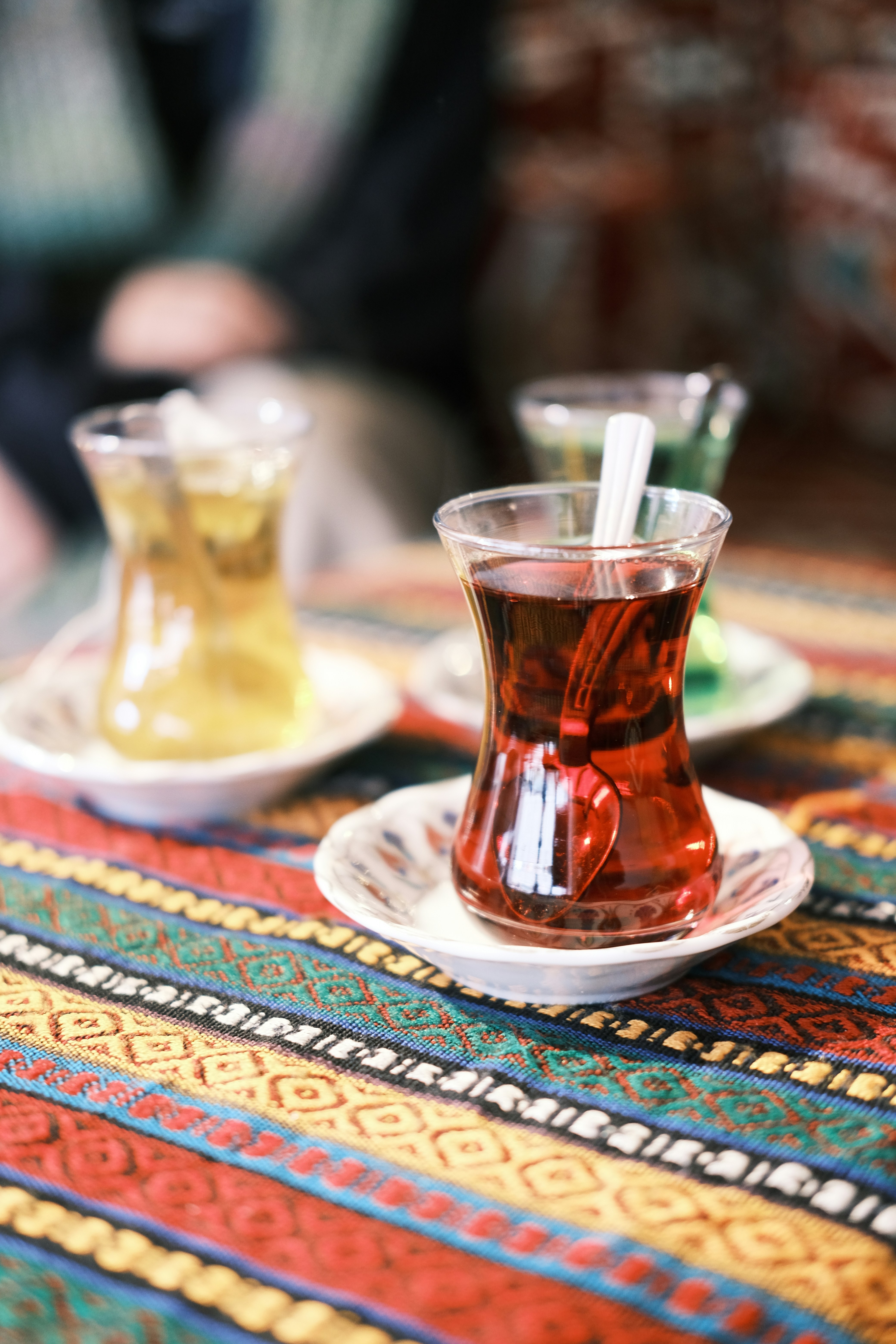
Hospitality is central to Turkish culture, and its clearest expression is tea (çay). You'll be offered tea constantly — in shops, by hosts, during any interaction — and accepting it is a sign of warmth; refusing too quickly can seem cold. Importantly, accepting tea carries no obligation to buy anything, so relax and enjoy the gesture. If you're invited to a Turkish home, it's a genuine honor; bring a small gift (sweets or something from your country), and expect to be fed generously.
The key dos and don'ts
A few customs are worth knowing:
Remove your shoes when entering someone's home (and mosques) — it's expected.
Accept tea when offered, as above.
Use your right hand for giving and receiving, which is considered polite.
Bargain in bazaars and markets, but not in fixed-price shops, supermarkets, or restaurants.
Avoid blowing your nose loudly at the table, which is considered rude.
Dress modestly and follow the rules when visiting mosques (more below).
Visiting mosques respectfully
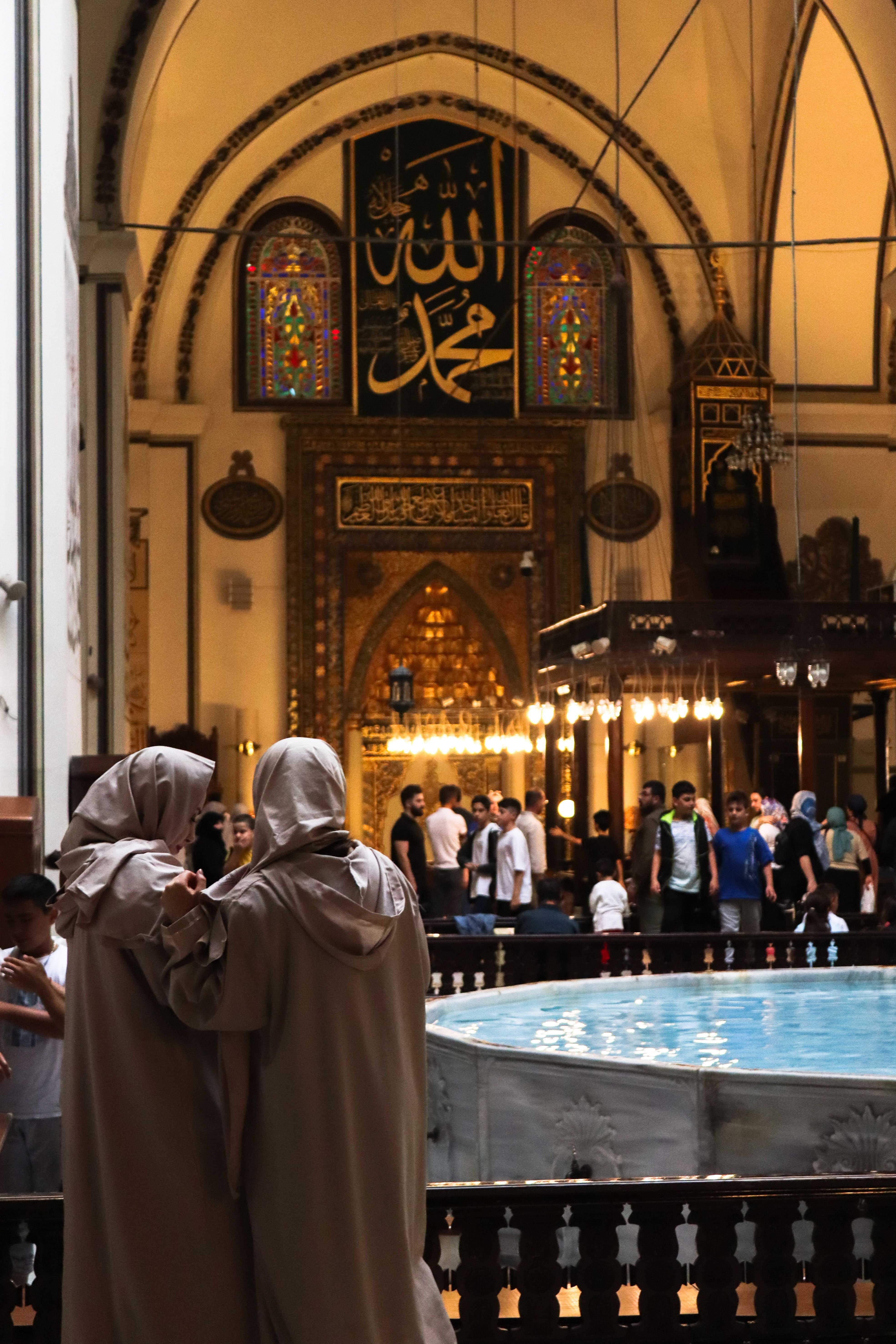
Mosques are active places of worship as well as sights, so dress and behave respectfully. Women cover their hair with a scarf and have shoulders and knees covered; men wear long pants; everyone removes their shoes (bags or shelves are provided). Carry a scarf if you plan to visit mosques (many major mosques also lend coverings). Avoid visiting during prayer times if you can, keep your voice low, don't walk in front of people praying, and ask before photographing worshippers. Entry to mosques is generally free.
Sensitive topics
Two areas call for particular care. First, Atatürk, the founder of modern Turkey, is deeply revered — be respectful around his images and statues, and never mock or insult him, which is actually a legal offense in Turkey. Second, it's wise to avoid public criticism of the government or politics as a visitor; political conversation can be sensitive, so it's best left alone in public. These aren't difficult to observe — simple respect and discretion cover both.
Dining etiquette
Meals are social and generous in Turkey, and a few table customs help. If you're hosted in a home, expect to be offered far more food than you can eat — trying a bit of everything is the polite response, and complimenting the cooking is always welcome. Wait to be shown where to sit, and let elders be served first as a sign of respect. At the table, avoid blowing your nose loudly, which is considered rude. When dining out with Turkish friends, expect a friendly tussle over the bill — splitting isn't the norm, and your host may insist on paying; offering to reciprocate another time is gracious. Bread is treated with a degree of respect and rarely wasted. None of this is rigid, but observing it signals warmth and earns it in return.
Everyday social norms
A few more pointers help you blend in. Greetings are warm — handshakes are common, and friends may exchange cheek kisses. Turks are generally tactile and friendly, and personal questions (about family, marital status) are a sign of friendly interest, not nosiness. Tipping is customary but modest. During Ramadan, be considerate about eating, drinking, or smoking conspicuously in public in more conservative areas during daylight, though tourist zones operate normally. Above all, a smile, a few Turkish words (merhaba for hello, teşekkürler for thank you), and basic courtesy will earn you warmth everywhere. For specifics on clothing, see our what to wear in Turkey guide.
A little effort goes a long way
The overarching theme of Turkish etiquette is that respect and warmth are reciprocated generously. Turks are proud of their country and culture and delighted when visitors show genuine interest and courtesy. You don't need to memorize a rulebook — remove your shoes where expected, accept the tea, dress respectfully at mosques, steer clear of the few sensitive topics, and meet people with a smile and a couple of Turkish words. Do that, and you'll find Turkey one of the most welcoming countries you can visit, where small gestures of respect open the door to the famous hospitality that travelers remember long after the sights have blurred.
FAQ
What are the main etiquette rules in Turkey?
Remove shoes in homes and mosques, accept offered tea, use your right hand for giving and receiving, bargain only in bazaars, dress respectfully at mosques, and be respectful around Atatürk imagery.
What should I wear to visit a mosque in Turkey?
Women cover hair, shoulders, and knees (carry a scarf); men wear long pants; everyone removes their shoes. Many major mosques lend coverings.
Is it rude to refuse tea in Turkey?
Refusing too quickly can seem cold, as offering tea is a gesture of hospitality. Accepting carries no obligation to buy anything.
What topics should I avoid in Turkey?
Avoid insulting Atatürk (a legal offense) and steer clear of public criticism of the government or politics as a visitor.
Keep planning
Not sure how it all fits together?
Pick your trip length and we'll point you to the right day-by-day itinerary.