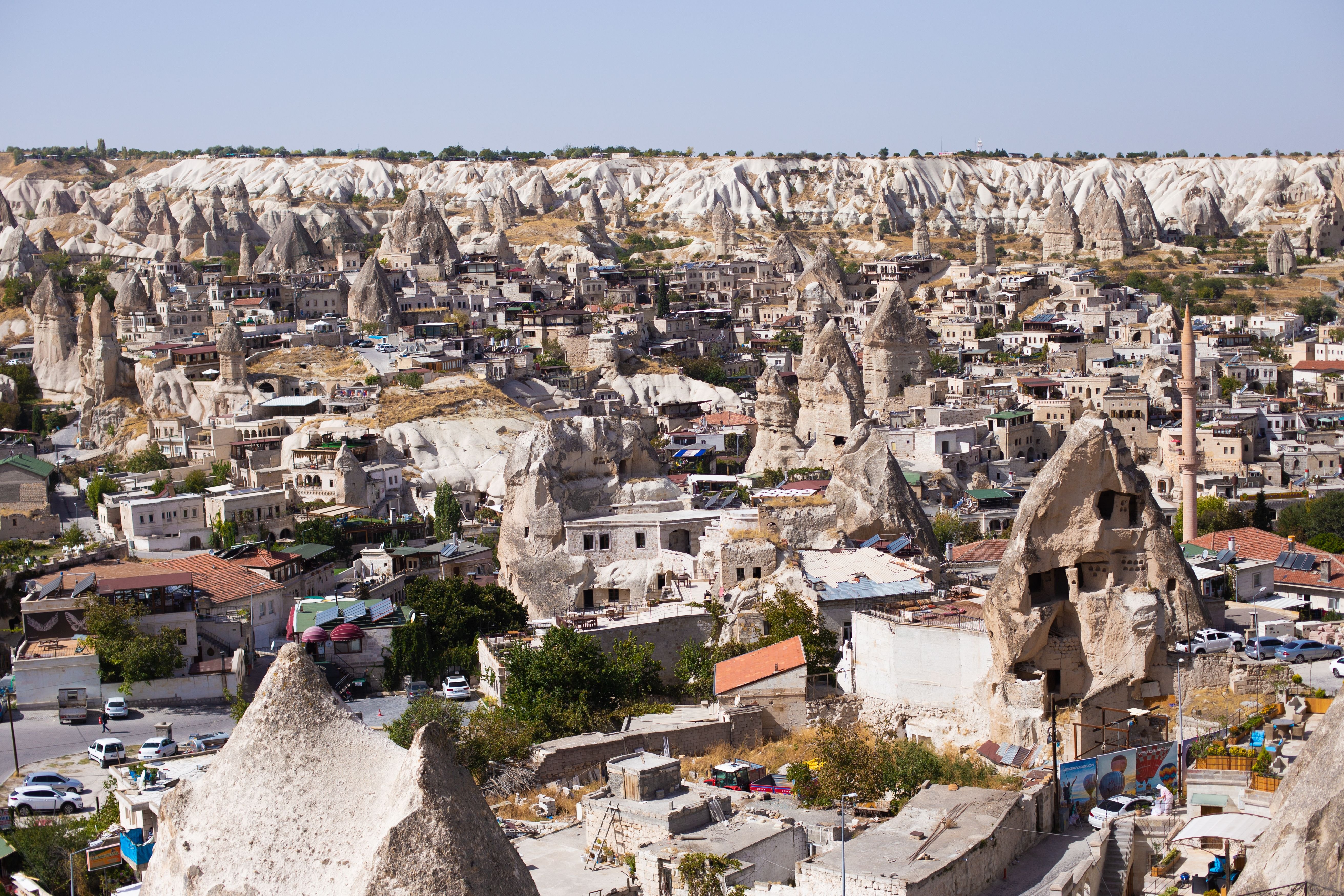
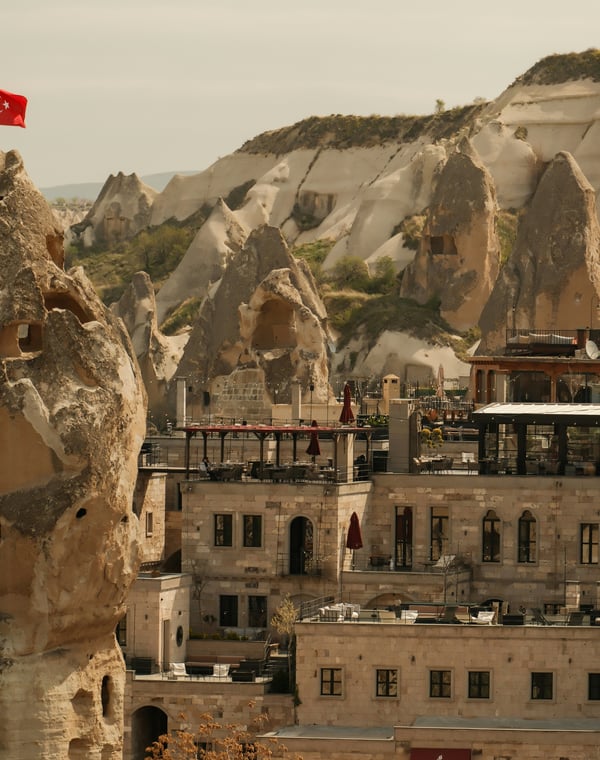
The sunrise balloon flight is Cappadocia's headline act, but this otherworldly region of fairy chimneys, cave churches, and underground cities fills two or three days easily. Here are the best things to do, from the essential sights to the experiences that round out a trip.
Take a sunrise balloon flight
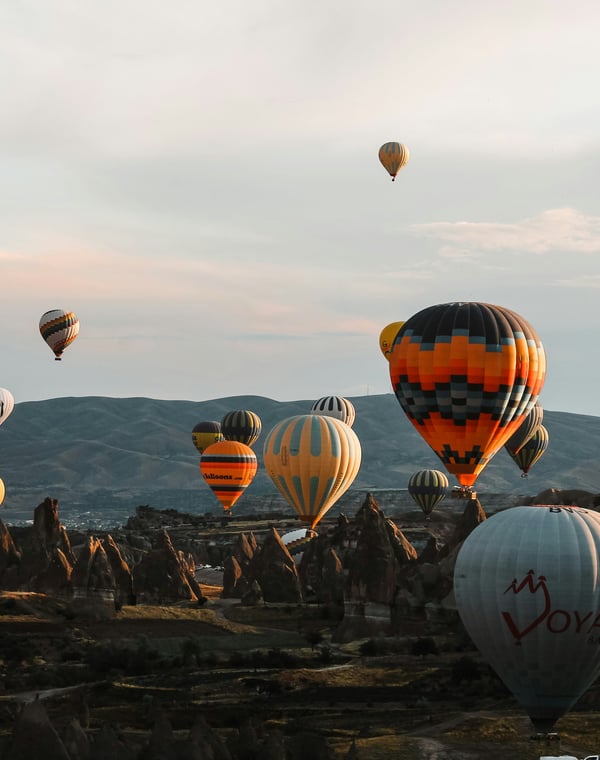
It's the defining experience for a reason — drifting over the valleys at dawn amid hundreds of balloons is unforgettable. Flights are weather-dependent and book out, so reserve ahead and give yourself a buffer day. Even grounded, you can watch the launch from a terrace. Full details in our balloon ride guide.
Explore the Goreme Open-Air Museum
This UNESCO World Heritage site is a cluster of rock-cut Byzantine churches with remarkably preserved frescoes, carved into the soft tuff by early Christian communities. It's the region's historical core and a must-see — go early to beat tour groups.
Go underground
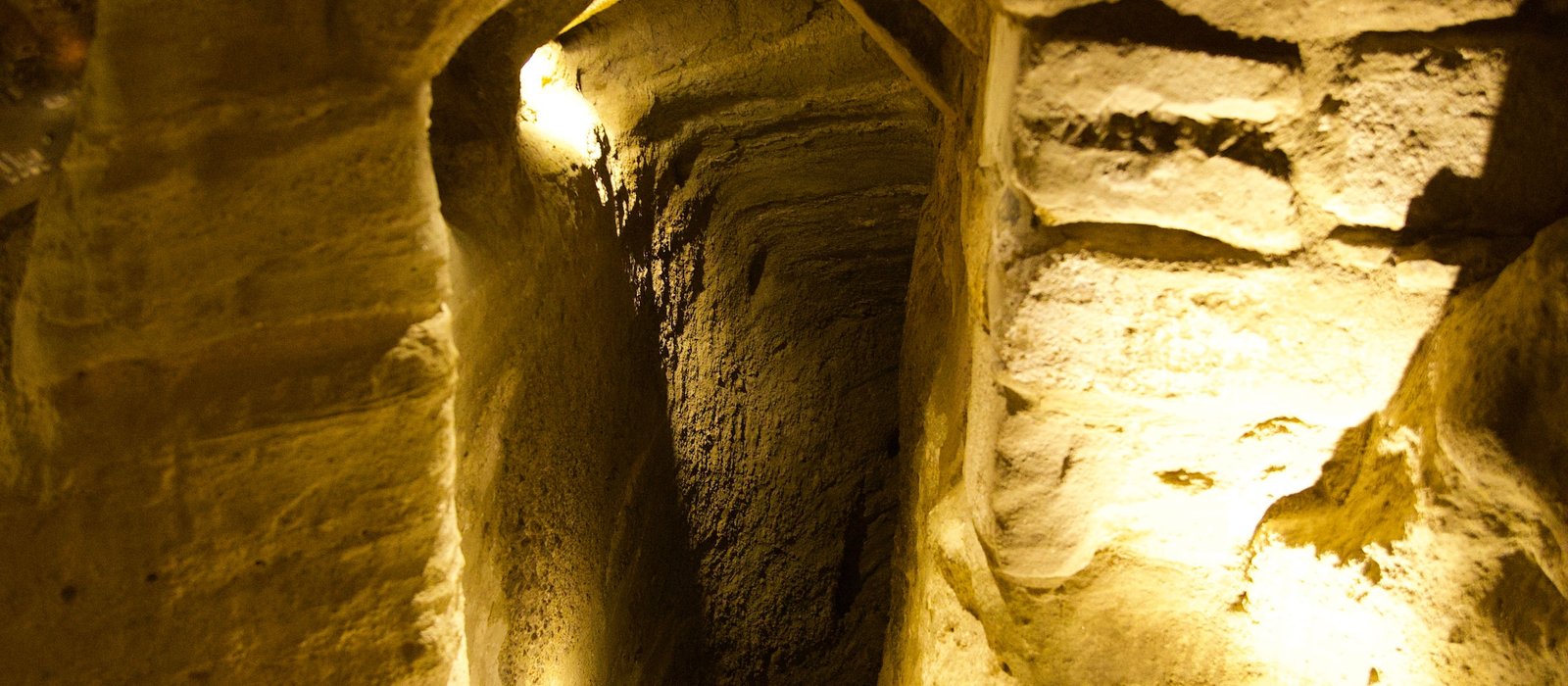
Cappadocia's underground cities — chiefly Derinkuyu and Kaymakli — descend many levels into the earth, complete with ventilation shafts, wells, stables, and chapels. They once sheltered thousands during invasions. Exploring the narrow passages is a genuine highlight, if a little tight for the claustrophobic.
Hike the valleys
The landscape is best understood on foot. The Rose and Red Valleys glow at sunset; Love Valley is famous for its towering rock pillars; Pigeon Valley links Goreme and Uchisar; and the Ihlara Valley is a lush canyon walk farther out. Trails range from gentle strolls to half-day hikes, and many are free to wander.
Climb Uchisar Castle
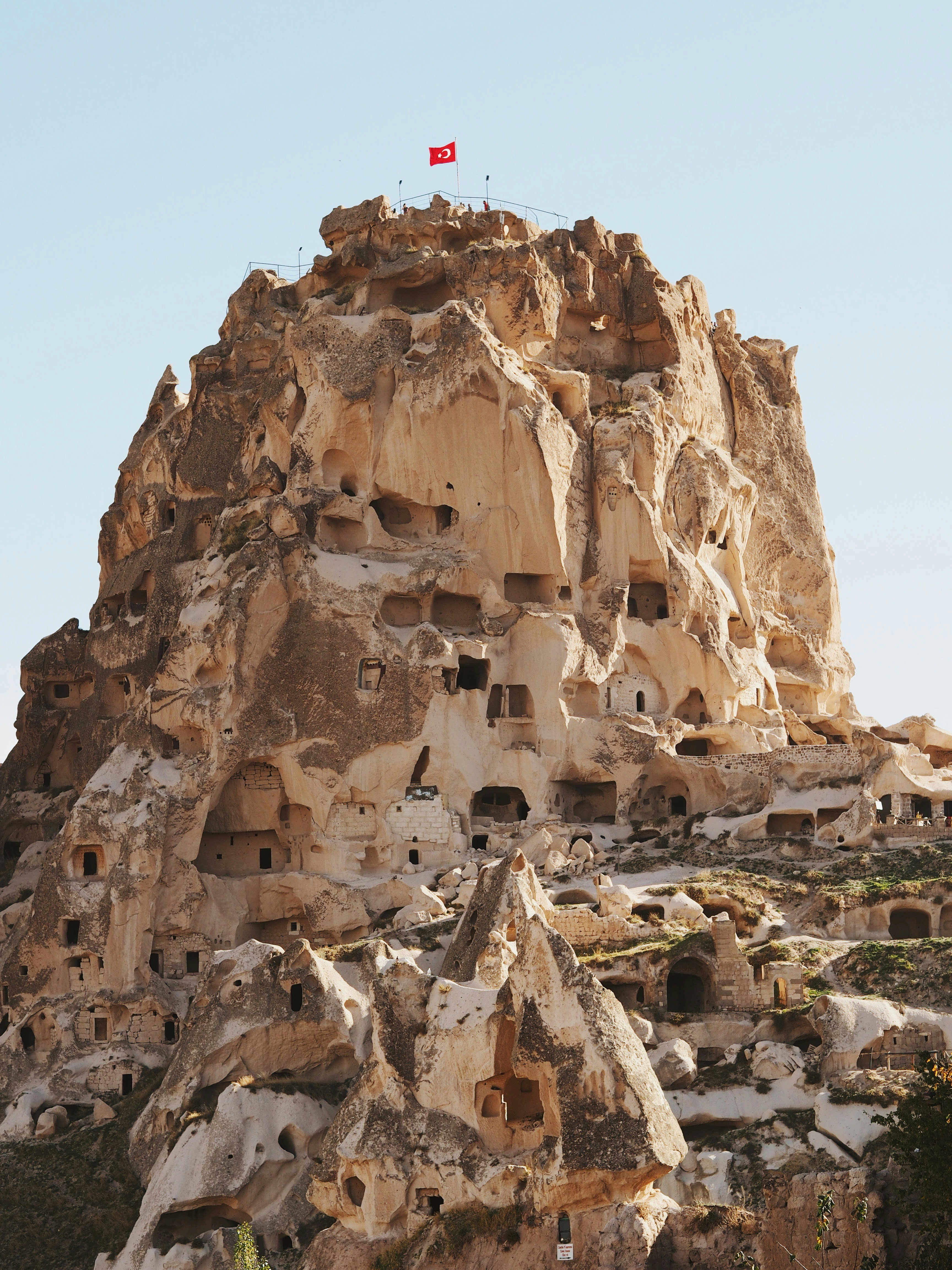
The tallest fairy chimney of all, Uchisar Castle is a honeycombed rock fortress with the best panoramic view in the region — spectacular at sunset and an easy add-on to a valley walk.
Visit Pasabag and Devrent
Pasabag (Monks Valley) has some of the most striking multi-headed fairy chimneys, and nearby Devrent (Imagination Valley) is a surreal field of rock shapes — no churches or ruins, just nature's sculpture garden. Both are quick, rewarding stops.
Try pottery in Avanos
The town of Avanos, on the red Kizilirmak river, has a centuries-old pottery tradition. Watching — or trying — the wheel is a fun, hands-on break from sightseeing, and the ceramics make good souvenirs.
Eat a testi kebab and stay in a cave
Finally, two experiences are baked into being here: order a testi kebab, slow-cooked and dramatically cracked open in a sealed clay pot, and sleep in a cave hotel with a terrace facing the dawn launch. Both are quintessential Cappadocia. See where to base yourself in our cave hotels guide.
When to go and how to plan your days
Spring (April–May) and fall (September–October) are the prime seasons: mild days, the most reliable balloon mornings, and comfortable hiking weather. Summer is hot and busy but still rewarding if you start early; winter brings cold and occasional snow that transforms the landscape into something out of a fairy tale, with quieter trails and lower prices. However long you stay, structure your time around the weather-dependent balloon: book it for your first morning, then fill the rest with the museum, an underground city, and valley hikes, keeping a backup morning in reserve. Two days is the practical minimum; three lets you add Avanos, a winery, or a slow second sunrise. Our 2-day itinerary sequences it all.
Half-day and offbeat ideas
If you have spare time between the big sights, Cappadocia rewards slow exploration. Watch the sunset from a quiet ridge instead of a crowded viewpoint, browse the workshops of Avanos for handmade ceramics, or seek out lesser-known valleys like Love and Pigeon for near-empty trails. A handful of operators offer horseback rides through the formations — fitting, since the region's name is often translated as "land of beautiful horses." These low-key experiences are where Cappadocia feels personal rather than packaged.
Practical tips
A few things make the sights more enjoyable. Start early at the Open-Air Museum and the underground cities to beat tour-bus crowds. Wear layers and sturdy shoes — mornings are cold, trails are uneven, and the underground passages are cool and tight. Carry water and sun protection for the exposed valley hikes. Many viewpoints and shorter valley trails are free and uncrowded if you go independently rather than with a group. And keep some cash for village cafes, the pottery workshops in Avanos, and tipping guides. With the weak lira, all of this is excellent value for American travelers right now.
FAQ
What is Cappadocia famous for?
Its surreal landscape of fairy chimneys, sunrise hot air balloon flights, rock-cut cave churches, underground cities, and cave hotels.
What are the must-do things in Cappadocia?
A sunrise balloon flight, the Goreme Open-Air Museum, an underground city, valley hikes, and the view from Uchisar Castle.
Can you visit Cappadocia without doing the balloon?
Absolutely. The museums, underground cities, valley hikes, and viewpoints fill two or three days on their own.
Are the underground cities worth visiting?
Yes — Derinkuyu and Kaymakli are extraordinary feats of ancient engineering, though the narrow passages can feel tight for the claustrophobic.
Keep planning
Not sure how it all fits together?
Pick your trip length and we'll point you to the right day-by-day itinerary.