"Is Turkey safe?" is one of the most common questions American travelers ask — and the honest answer is that the main tourist regions are generally safe and welcome millions of visitors a year, while a few specific areas carry official warnings. Here's a clear, balanced picture of safety in Turkey, with a strong reminder to check the latest official advisory before you go.
The overall picture
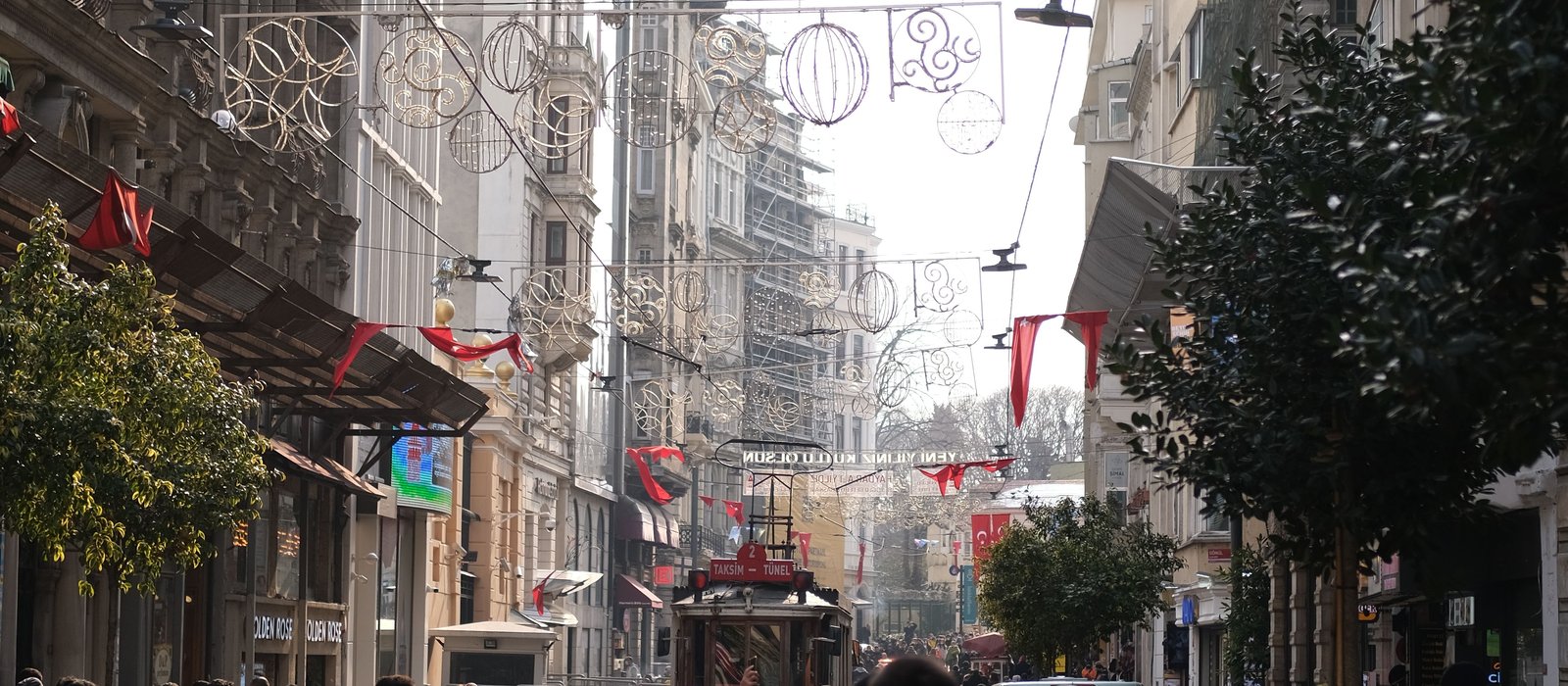
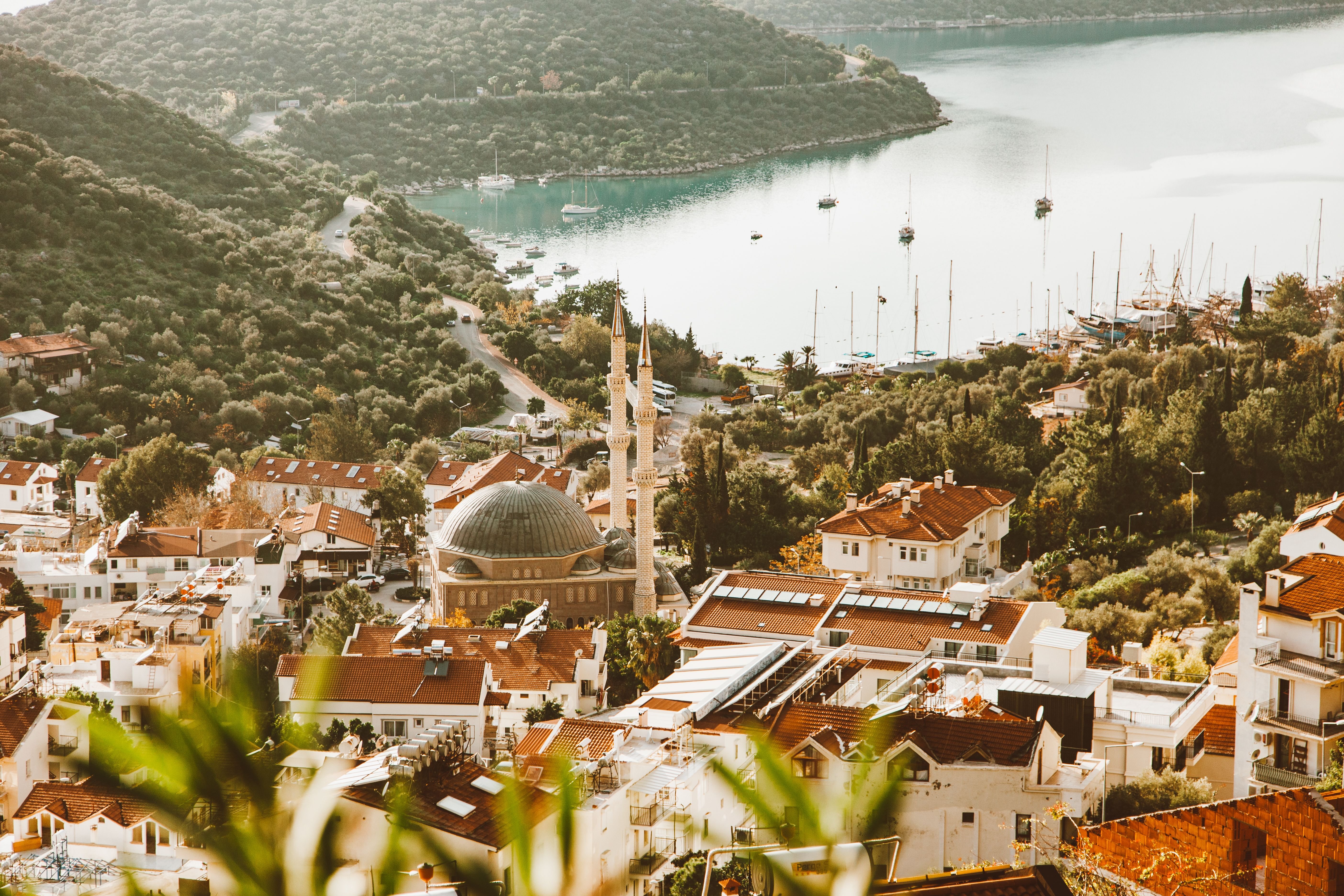
Turkey is a major tourist destination that draws huge numbers of international visitors, and the places most travelers go — Istanbul, Cappadocia, and the Mediterranean and Aegean coasts — are generally considered safe for tourists. At the same time, government travel advisories urge an elevated level of caution for the country overall and assign stronger "do not travel" warnings to specific areas near the Syrian border and certain southeastern provinces. The key nuance: the popular tourist regions are not the high-warning zones.
Critical: safety advisories change, and this is a topic to verify directly. Always check the current US State Department travel advisory for Turkey at travel.state.gov before booking and before you fly, and note the specific regional warnings and their dates.
Areas to avoid
Turkey sits at Level 2 — Exercise Increased Caution overall. The do-not-travel guidance is scoped tightly: within 10 km (6 miles) of the Syria and Iraq borders. These are far from the standard tourist trail — the western cities, Cappadocia, and the coasts — so most itineraries never go near them. If you're planning to travel in the southeast (for example to visit Şanlıurfa or Mardin), research the current, specific advice for those provinces carefully and follow it.
The real day-to-day risks
For most travelers, the practical risks are ordinary, not dramatic:
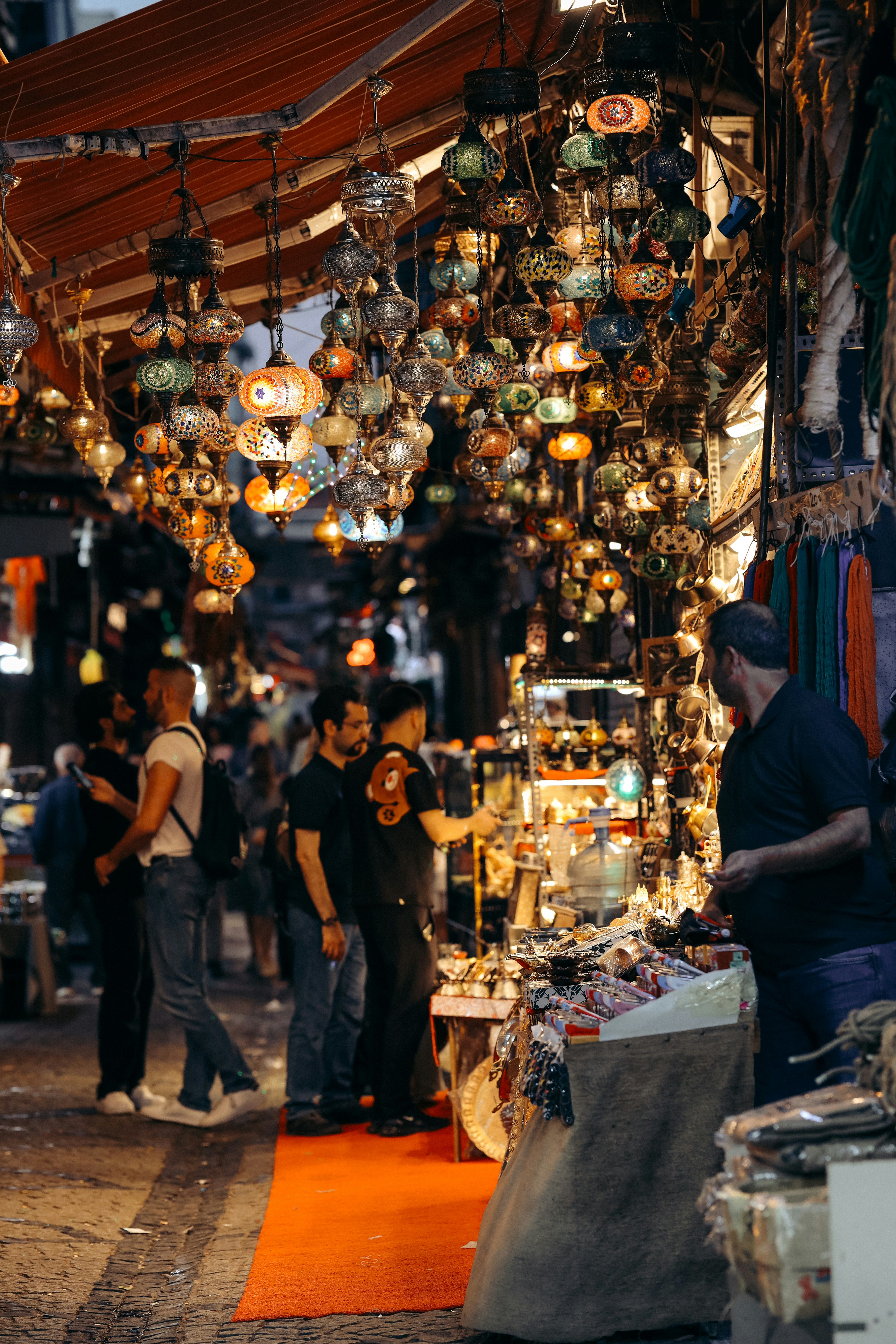
Petty theft and pickpocketing — in crowded tourist areas, Istanbul public transport, and bazaars. Use normal city precautions and watch your belongings.
Tourist-targeted scams — the friendly-local/shoe-shine routine, inflated "broken meter" taxi fares, and bar scams where solo men are lured and hit with a huge bill. Awareness defeats most of them.
Demonstrations — occasional political protests; avoid them, as they can be dispersed forcefully.
None of these is unique to Turkey, and standard travel sense handles them.
Earthquakes
Turkey is seismically active, and the major earthquake of February 2023 was a tragedy — but it's important context for travelers that it struck the southeast, not the western tourist regions. Istanbul does sit in an earthquake zone, so it's sensible to be aware of basic safety (know the exits at your hotel), but earthquakes are an infrequent risk, not a daily concern, and shouldn't deter a trip to the tourist areas.
Solo and female travelers
Turkey is a popular destination for solo travelers, including solo women, who visit widely and safely with sensible precautions. The tourist areas are well-trodden and used to international visitors. As anywhere, a little awareness helps: dress with sensitivity to more conservative and religious areas (covering shoulders and knees, and hair in mosques), be firm and confident in declining unwanted attention or persistent vendors, prefer registered taxis via apps, and trust your instincts about situations and places. Many solo female travelers report warm hospitality and few problems. The same standard travel sense that serves you in any unfamiliar country serves you well in Turkey.
Practical safety tips
To stay safe and relaxed: keep valuables secure and be alert in crowds; use the BiTaksi/iTaksi apps or insist on the meter for taxis; avoid political demonstrations; drink bottled water; and keep digital and paper copies of your passport. Turkey's emergency number is 112. Solo and female travelers visit Turkey widely and safely with standard precautions, dressing with awareness of more conservative areas. Above all — because this is a YMYL topic that changes — confirm the current official advisory before you travel. For health specifics, see our Turkey health guide.
FAQ
Is Turkey safe for American tourists?
The main tourist regions — Istanbul, Cappadocia, and the coasts — are generally considered safe and welcome millions of visitors. Specific areas near the Syrian border carry do-not-travel warnings. Always check the current State Department advisory before you go.
Which areas of Turkey should I avoid?
The official do-not-travel warning covers within 10 km (6 miles) of the Syria and Iraq borders. That is far from the standard tourist trail. Verify current advice for any southeastern travel.
Is Turkey safe after the 2023 earthquake?
The February 2023 earthquake struck the southeast, not the western tourist regions. Turkey is seismically active, so basic awareness is wise, but it's an infrequent risk for travelers.
What are the main scams in Turkey?
The friendly-local/shoe-shine scam, inflated "broken meter" taxi fares, and bar scams targeting solo men. Awareness and using taxi apps defeat most of them.
What's the emergency number in Turkey?
112 is the main emergency number. Awareness of your surroundings and standard travel precautions handle most situations.